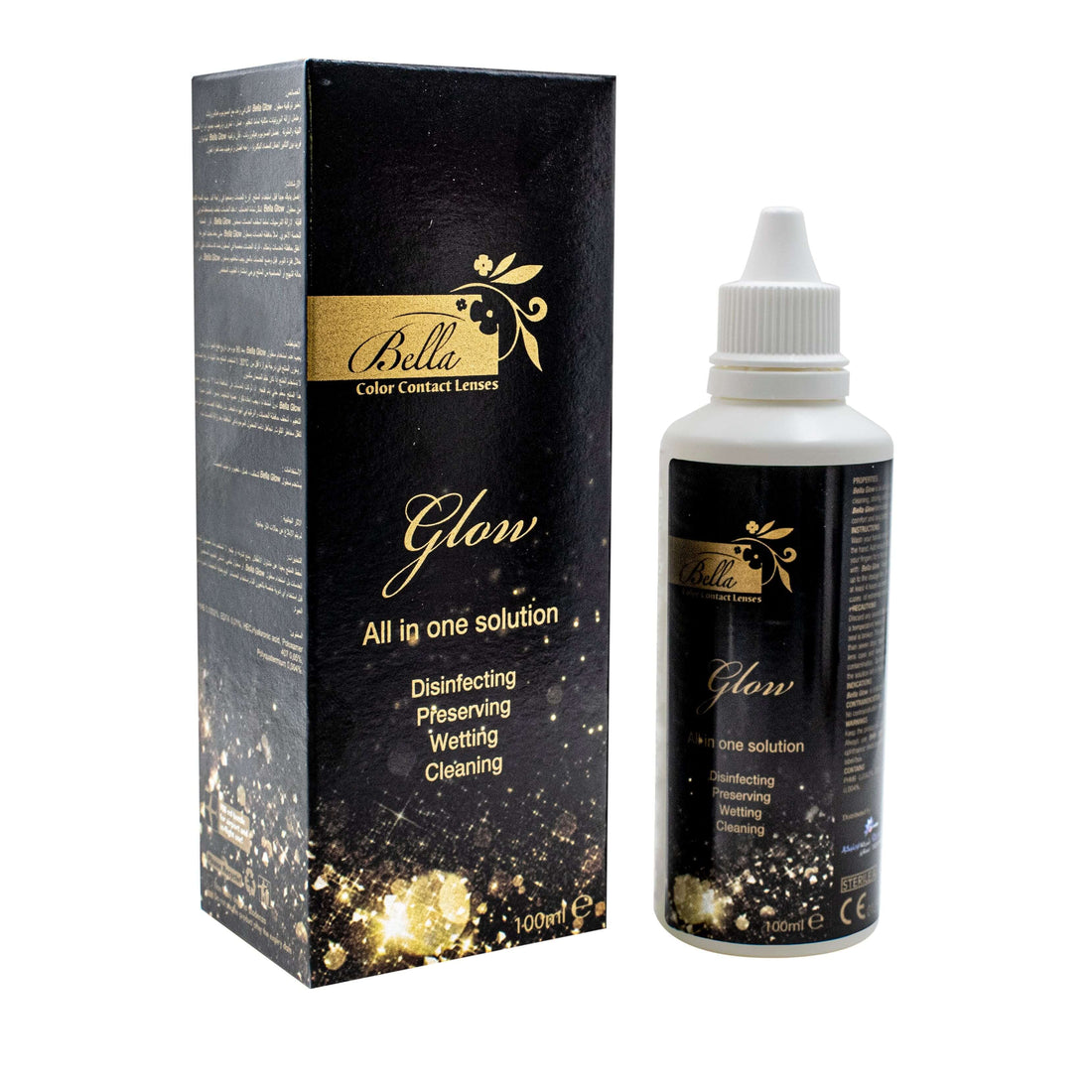

Quick Answer: No. You should never wear colour contacts over regular contact lenses. Layering two lenses on the same eye restricts oxygen flow to the cornea, causes lens instability and blurred vision, and significantly raises the risk of eye infections. The correct solution is prescription coloured contact lenses, which combine your vision correction and colour change in a single lens.
If you already wear prescription contact lenses and want to change your eye colour for an event, it can seem logical to simply pop a pair of plano coloured contacts on top. The question of whether you can wear colour contacts over regular contacts is one of the most common contact lens queries in the UK, particularly among people preparing for Halloween, weddings, or cosplay. The answer to can you put colour contacts over regular contacts is no, but understanding exactly why, and knowing what to do instead, is what this guide is for.
Why People Try to Layer Contact Lenses
The idea behind layering makes a kind of intuitive sense before you understand how contact lenses actually function on the eye. Prescription lenses give you clear vision. Plano coloured lenses give you a different eye colour. Why not use both at once? This reasoning drives a surprisingly large number of people to ask whether you can wear colour contacts over regular contacts, and it is especially common in the run-up to events, Halloween, and festivals where a dramatic eye colour change is part of a look.

The Temptation: Colour Change and Vision Correction at Once
For weddings, cosplay, Halloween parties, and everyday aesthetic changes, coloured contact lenses are a popular choice. The issue arises when someone who needs prescription lenses for vision buys a pair of plano (non-prescription) coloured lenses without realising that prescription coloured contacts exist as a category. Faced with two pairs of lenses and the need for both vision correction and a colour change, layering appears to be the solution. It is not.
The Misunderstanding About How Contact Lenses Fit
Every contact lens is manufactured to match the curvature of the human cornea, specifically the base curve and diameter measurements taken during a contact lens fitting. When you place a contact lens on your eye, it rests directly on the tear film covering the cornea and is held in position by that precise fit. A second lens placed on top does not rest on the cornea at all. It rests on the first lens, which is itself a curved surface that was never designed to hold another lens. The geometry fails immediately, and the consequences are not trivial. For a fuller picture of how lens fit and care interact, our complete guide to contact lens care covers the key principles.
Can You Put Colour Contacts Over Regular Contacts? The Direct Answer
No. Wearing colour contacts over regular contacts is not safe under any circumstances, whether for one hour or one evening. This is not a question of brand quality or lens material. It is a structural problem that applies to any two contact lenses worn simultaneously on the same eye. Every major eye care authority, including the College of Optometrists in the UK, is unambiguous on this point. Layering contact lenses, sometimes called piggybacking contacts, creates conditions that can cause lasting harm to the cornea.
What Actually Happens When You Layer Contact Lenses
Four specific problems occur when two lenses are worn on the same eye at the same time.
Oxygen deprivation is the most serious concern. The cornea has no blood vessels and depends entirely on oxygen diffusing through the tear film from the air. A single contact lens already reduces this oxygen flow. Two lenses stacked on top of each other create a near-total barrier, cutting off the oxygen supply that keeps the corneal tissue healthy. Even a few hours of severe oxygen restriction can trigger corneal oedema, a condition where the cornea swells with fluid, causing hazy vision and discomfort that may take days to resolve.
Lens instability is the most immediately noticeable problem. The top lens has nothing to grip. It floats on the curved surface of the lens beneath it and shifts with every blink, sliding out of position and frequently falling out entirely. This makes the coloured effect patchy and inconsistent, and creates continuous friction against the inner eyelid.
Blurred and distorted vision follows directly from instability. Two prescription-grade lens surfaces stacked together produce a compounded and unpredictable refractive effect. Even if you are only wearing one prescription lens underneath a plano coloured one, the optical interference between the two surfaces disrupts the focus your prescription was designed to deliver.
Infection risk is multiplied significantly. The space between two layered lenses traps debris, protein deposits, and bacteria against the corneal surface with no mechanism for flushing or removal. This creates exactly the conditions that allow serious eye infections, including microbial keratitis, to develop.

UK Regulation: Why Contact Lenses Are Medical Devices
In the United Kingdom, all contact lenses, including plano cosmetic and coloured lenses, are classified as medical devices by the MHRA (Medicines and Healthcare products Regulatory Agency). Supplying contact lenses without a valid prescription is illegal in the UK regardless of whether the lenses contain any vision correction. This regulatory position is one key reason why wearing colour contacts over regular contacts puts you outside of the safety framework that governs contact lens use in this country. The British Contact Lens Association and the College of Optometrists both advise that any contact lens, including a coloured one, must be fitted by a registered optician and used in accordance with a current prescription. Layering lenses bypasses this framework entirely and creates a risk profile that no responsible optician would sanction.
What to Do If You Have Already Layered Contact Lenses
If you are reading this after having already tried to wear colour contacts over regular contacts, here is what to do immediately. Remove both lenses now. Do not wait to see if the discomfort passes, and do not continue wearing them for the rest of the event. If the lenses appear to have dried together or are difficult to separate, do not pull them apart by force. Apply a few drops of preservative-free saline or rewetting drops to each eye first, then blink gently to allow the lenses to loosen before attempting removal. Once both lenses are out, wash your hands thoroughly, inspect each lens, and discard them rather than reinserting. Rest your eyes and check in a well-lit mirror for redness, cloudiness, or a feeling of grittiness. If any of these symptoms persist beyond 30 minutes, or if you notice any change in your vision, contact your optician or, outside of working hours, an NHS urgent eye care service. Most short-term exposure resolves without lasting damage if addressed promptly. For context on why removing lenses carefully and maintaining clean hands matters in all lens interactions, our guide to showering with contact lenses covers related removal and hygiene principles.
The Right Way to Wear Coloured Contacts with a Prescription
Prescription coloured contact lenses are the correct and only safe answer to the question of how to change your eye colour while maintaining clear vision. They are not a workaround or a compromise. They are the product that was designed precisely for this need, and they are widely available in the UK, including across Bella Lense's prescription collections.
What Prescription Coloured Contact Lenses Are
A prescription coloured contact lens is a single lens that combines your SPH power correction with a colour pigment layer. The pigment is sandwiched between two layers of hydrogel material so it never directly contacts the ocular surface. You insert one lens per eye, exactly as you would with a standard clear prescription lens. The insertion, removal, and care routine are identical. There is no difference in wearing experience, and there is no compromise to your corrected vision. The colour layer covers the iris and leaves a clear optical zone over the pupil, ensuring your vision is as accurate as with any standard prescription lens.
How to Get Prescription Coloured Contacts in the UK
To order prescription coloured contact lenses in the UK, you need a current contact lens prescription from a registered optician. This is a separate document from your spectacle prescription, though in many cases your optician can use your spectacles prescription as the starting point and confirm the contact lens parameters in a brief fitting appointment. Your prescription will specify your SPH power (the number that corrects your shortsightedness or longsightedness). At Bella Lense, prescription coloured lenses are available from -8.00 to +4.00 SPH, covering the large majority of standard UK prescriptions. You enter your SPH value at checkout when selecting your shade. Our full prescription coloured contact lens range covers all available collections and powers.
Coloured Contacts for Events and Occasions
Prescription coloured lenses are not only for everyday wear. They are equally suitable for one-off occasions: a wedding, a Halloween costume, a festival, a cosplay event, a night out. If you need vision correction to function comfortably, wearing prescription coloured lenses for a single event is perfectly safe, provided you follow the standard wearing guidelines for the lens type. For wearers who have perfect natural vision and do not need any correction, plano coloured contacts are available without any SPH power and can be worn safely as a cosmetic accessory after a fitting consultation. What is never safe, regardless of the occasion or the duration, is wearing two lenses simultaneously on the same eye.
Ready to change your look without the risk? Bella Lense's coloured prescription contact lenses combine your vision correction with your colour choice in a single, safe lens. Available in multiple collections, with SPH powers from -8.00 to +4.00. Find your shade today.

Daily vs Monthly Prescription Coloured Contacts: Which Is Right for You?
If you are making the switch from layering to prescription coloured lenses, it helps to understand the two main replacement schedules available so you can choose the option that fits your lifestyle. Both daily and monthly prescription coloured lenses are safe and effective; the right choice depends on how often you plan to wear them and how much time you want to spend on lens maintenance.
Daily Prescription Coloured Contacts
Daily disposable prescription coloured lenses are the most hygienic option. Each lens is worn once and then discarded, which means there is no cleaning or storage routine, and no risk of protein and deposit build-up between wears. This makes them ideal for occasional use, events, or anyone who finds lens maintenance inconvenient. They are also the lowest-commitment option if you are trying coloured lenses for the first time. For guidance on wearing coloured lenses daily with confidence, our article on wearing coloured contacts daily covers the key principles.
Monthly Prescription Coloured Contacts
Monthly reusable prescription coloured lenses are worn daily and cleaned and stored in fresh solution each night. Each pair lasts up to three months from the date of first opening, making them a cost-effective option for regular wearers. Bella's Elite, Diamond, Glow, and Contour prescription collections are all monthly lenses rated for up to three months of wear with proper care. If you expect to wear your prescription coloured lenses frequently, monthly lenses offer the best value per wear and the widest choice of shades. For wearers wondering about wearing schedules and care between uses, our guide to contact lenses you can sleep in explains the difference between standard and extended wear lenses clearly.
Important: This article is for informational purposes only and does not constitute medical advice. If you have experienced eye discomfort after wearing layered contact lenses, or have any concerns about your eye health, consult a registered optometrist or contact NHS urgent eye care services promptly.
FAQ
Can you wear colour contacts over regular contacts just for one night?
No. Even a few hours of layering causes oxygen deprivation to the cornea and significantly raises infection risk. Duration does not make the practice safe. The correct option is prescription coloured contact lenses.
Can you wear plano coloured contacts if you already have prescription lenses in?
No. Plano coloured lenses placed over prescription lenses create the same layering risks regardless of whether the top lens has any power. Two lenses on the same eye is always unsafe.
Do I need a prescription for coloured contacts in the UK even if I have perfect vision?
Yes. In the UK, all contact lenses are classified as medical devices. Supplying them without a valid prescription is illegal. Even plano coloured lenses require a fitting and prescription from a registered optician.
Can I use my glasses prescription to buy coloured contact lenses?
Your glasses prescription is a useful starting point, but a contact lens prescription is a separate document. A brief appointment with your optician can confirm the contact lens parameters, including base curve and diameter, alongside your SPH power.
Are prescription coloured contacts available for astigmatism?
Toric prescription coloured contact lenses for astigmatism are available from some manufacturers, though the range is more limited than for standard SPH prescriptions. Ask your optician to confirm whether your CYL and AXIS values fall within available ranges.
What should I do if my contact lenses dried together after layering?
Apply preservative-free saline or rewetting drops to each eye to rehydrate the lenses before attempting removal. Do not pull them apart while dry. Once both are out, discard them and rest your eyes. If redness or discomfort persists, contact your optician.
Final Thoughts
The answer to whether you can wear colour contacts over regular contacts is a clear and consistent no from every eye care authority in the UK. The risks are not theoretical: oxygen deprivation, lens instability, blurred vision, and infection are predictable consequences of wearing colour contacts over regular contacts. The good news is that the solution is straightforward. Prescription coloured contact lenses were built exactly for this situation. One lens, one eye, full colour, full vision. Browse Bella Lense's prescription coloured collections to find your shade.