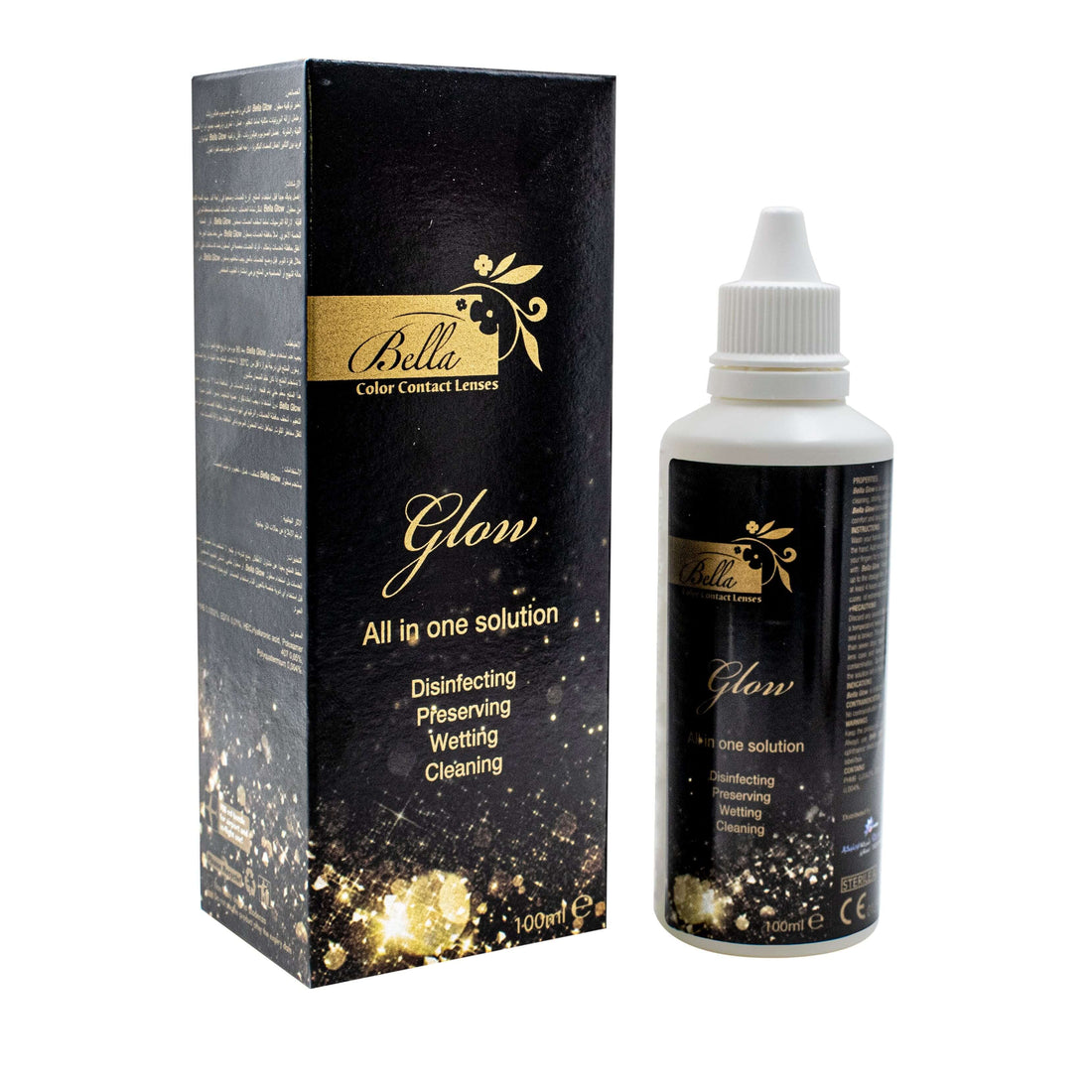

Contact lens intolerance is a condition in which the eyes can no longer tolerate wearing contact lenses comfortably, causing dryness, irritation or blurred vision. In most cases it is not permanent. When the underlying cause is identified and addressed, many people resume wearing lenses successfully, including coloured ones, with the right adjustments.
Whether your lenses started feeling uncomfortable last week or have been a problem for months, understanding what is actually happening inside your eye makes a real difference. This guide covers the signs, common causes, and a clear recovery timeline, with specific advice for coloured contact lens wearers.

What Is Contact Lens Intolerance?
Contact lens intolerance (CLI) is a broad term used to describe a sustained inability to wear contact lenses comfortably, even when the lenses fit correctly and are worn as directed. It is one of the most common reasons people stop wearing contact lenses, affecting an estimated 10 to 20 per cent of wearers at some point. Understanding what CLI actually is helps separate manageable discomfort from a more serious concern.
Contact Lens Intolerance vs Contact Lens Discomfort
These two terms are often used interchangeably, but they describe different things. Contact lens discomfort refers to an episodic or persistent adverse ocular sensation related to lens wear. Contact lens intolerance goes further, describing a state where a wearer can no longer tolerate lenses at all, regardless of lens type or wearing time. Recognising this difference matters because discomfort can often be resolved with simple adjustments, while contact lens intolerance may require a more structured approach with professional input.
Who Develops Contact Lens Intolerance?
Contact lens intolerance can develop in wearers of any age and experience level. It is not limited to new wearers; many people who have worn lenses comfortably for years find that something changes. Hormonal shifts, changes in environment, new medications, and the natural ageing of the tear film all play a role. People who wear coloured contact lenses may also be at slightly higher risk due to differences in lens design, which are explored in a later section.
Recognising the Signs of Contact Lens Intolerance
The symptoms of contact lens intolerance do not always appear all at once. Many wearers notice one or two signs at first and dismiss them as temporary irritation, which can delay identifying and addressing the real cause. Paying close attention to when symptoms appear, how long they last, and which part of the day is worst can build a clearer picture before you seek professional advice.
Early Warning Signs
The earliest indicators of contact lens intolerance are often subtle. Eyes that feel noticeably dry within the first hour of lens wear, a mild burning sensation when blinking, or a persistent sense that something is sitting under the lens are all worth tracking. These sensations in the early part of the day often signal that the tear film is not producing enough lubrication to keep the lens surface comfortable.

Symptoms That Worsen Throughout the Day
For many wearers with contact lens intolerance, symptoms begin bearably and deteriorate over several hours. Blurred vision that does not clear with blinking, increasing redness, and a heavy or tired feeling in the eyes by early afternoon are characteristic patterns. Some wearers find they can manage comfortably in the morning but need to remove their lenses well before the end of the day.
Symptoms That Need Same-Day Attention
Certain symptoms should not be left until a routine appointment. Sudden sharp pain, significant light sensitivity, discharge, or a noticeable drop in visual clarity all require prompt professional assessment. These may indicate a corneal abrasion, infection, or a more serious complication rather than simple contact lens intolerance, and acting promptly protects long-term eye health.
Symptom Overview
|
Symptom |
Likely Cause |
Urgency Level |
|---|---|---|
|
Dryness and mild grittiness after 4 to 6 hours of wear |
Dry eye disease or overwear |
Monitor; reduce wearing time |
|
Blurred vision that clears briefly on blinking |
Protein deposits or low oxygen permeability |
Monitor; consider lens change |
|
Itching and mucous discharge |
Giant papillary conjunctivitis or preservative sensitivity |
Book an appointment this week |
|
Redness, pain or significant light sensitivity |
Corneal abrasion or infection |
Seek same-day care |
The table above is a starting point for identifying what a symptom may indicate and how quickly to act. It is not a substitute for a professional assessment, but it can help you decide whether to monitor at home or contact your optometrist sooner.
What Causes Contact Lens Intolerance?
Contact lens intolerance rarely has a single cause. In most cases, it develops when several contributing factors overlap, each individually manageable but collectively enough to push the eye beyond its tolerance threshold. Identifying which factors apply to your situation is the most effective starting point, because the right solution depends entirely on understanding the right cause.
Dry Eye and Meibomian Gland Dysfunction
Dry eye disease, and specifically dysfunction of the meibomian glands that produce the oily outer layer of the tear film, is the most commonly identified driver of contact lens intolerance. Without a stable tear film, the lens surface dehydrates quickly, creating friction and discomfort that worsens over the course of the day. For practical guidance on managing this alongside lens wear, see our article on contact lenses for dry eyes.
Overwear and Poor Wearing Schedule
One of the most frequently overlooked causes of contact lens intolerance is simply wearing lenses for too long. Eyes need time without lenses to receive oxygen directly from the air and for the tear film to recover. Extending daily wearing time beyond the recommended limit, or wearing lenses on consecutive days without adequate rest, gradually reduces corneal resilience. Our guide on how often you can wear coloured contacts covers recommended schedules in more detail.

Lens Material, Thickness and Oxygen Permeability
Not all lenses allow the same amount of oxygen to reach the cornea. Low oxygen permeability lenses, or lenses with a thicker profile, can trigger hypoxic changes in corneal tissue over time, contributing directly to contact lens intolerance. Switching to a high-Dk silicone hydrogel material often provides significant relief. Our guide to contact lens materials explains oxygen ratings and what to look for when switching.
Solution and Preservative Sensitivity
Some wearers develop a sensitivity to preservatives in multi-purpose solutions, particularly PHMB. This reaction can resemble dry eye but typically does not improve with lubricating drops alone. Switching to a preservative-free daily disposable or a hydrogen peroxide-based cleaning system often resolves it entirely. Our article on contact lens allergy explains these reactions in more detail.
Poor Fit, Wrong Base Curve or Diameter
A lens that does not match the curvature of the eye creates mechanical friction with every blink. This constant low-level trauma to the conjunctiva is a common and frequently undiagnosed cause of contact lens intolerance. A professional refitting assessment can identify a fit issue quickly, usually at a standard aftercare appointment.
Age-Related Changes and Systemic Medication
Tear production naturally declines with age, and the composition of the tear film shifts during hormonal changes including pregnancy, breastfeeding, and the perimenopause. Medications such as antihistamines, antidepressants, and beta-blockers also reduce tear volume, making lenses harder to tolerate even for experienced wearers who have never had problems before.
Is Contact Lens Intolerance Permanent?
This is the question most people ask first, and understandably so. The answer depends almost entirely on the underlying cause. Contact lens intolerance is not a single diagnosis with a fixed outcome. For most wearers, it is a manageable condition rather than a permanent one, provided the contributing factors are identified and addressed before any structural changes to the eye occur. The framework below maps common causes to their typical prognosis.
Reversibility Framework
|
Category |
Typical Causes |
Can You Resume Wearing Lenses? |
Recommended Action |
|---|---|---|---|
|
Reversible |
Overwear, preservative sensitivity, wrong lens fit or diameter |
Yes, once the cause is addressed |
Adjust schedule, change lens type or solution |
|
Manageable with changes |
Mild to moderate dry eye, early-stage giant papillary conjunctivitis |
Often yes, with ongoing adjustments |
Daily lenses, lubricating drops, reduced wearing time |
|
Requires professional assessment |
Corneal neovascularisation, significant corneal surface changes |
Possibly, depending on extent of changes |
Optometrist or ophthalmologist review before resuming lens wear |
The reversibility of contact lens intolerance is strongly linked to how early it is identified and whether the cause is addressed before structural changes occur. The table above is a guide, not a clinical assessment. Your optometrist can advise on which category applies to your situation.
When Contact Lens Intolerance Is Temporary
Contact lens intolerance is most likely to be temporary when it is caused by something specific and correctable. Wearing the same pair of daily lenses for two consecutive days, switching to a new solution brand without a trial period, or significantly extending wearing time are all triggers that can produce CLI symptoms which resolve quickly once the cause is removed.

When It Becomes Long-Term
Contact lens intolerance becomes harder to reverse when structural changes to the cornea or conjunctiva have already occurred. Corneal neovascularisation, where blood vessels grow into the normally clear cornea in response to sustained low oxygen levels, is one example of a change that limits future lens wear even after the original cause is corrected. Acting on symptoms early makes a significant difference to long-term outcomes.
Recovery Timeline: What to Expect After Stopping Lens Wear
Taking a complete break from lens wear is often the first step an optometrist will suggest when contact lens intolerance has been identified. Knowing what to expect during recovery helps avoid the common mistake of resuming too soon and undoing progress. The timeline below is a general guide based on typical recovery patterns; individual experience will vary depending on cause and severity.
Recovery Timeline
|
Timeframe |
What You May Notice |
Signs to Watch For |
|---|---|---|
|
24 to 48 hours |
Redness beginning to reduce, less grittiness when blinking |
No improvement at all after 48 hours |
|
3 to 7 days |
Comfortable without lenses, improved sleep, eyes feel less strained overall |
Continued discharge or pain beyond this point |
|
2 to 4 weeks |
Ocular surface more stable; may attempt a short trial with daily lenses |
Persistent light sensitivity or vision not returning to baseline |
|
Beyond 6 weeks |
Recovery not progressing as expected |
Any symptom that is worsening rather than improving |
Recovery from contact lens intolerance is rarely immediate. The timeline above reflects what most wearers experience when lenses are stopped completely. If symptoms have not improved meaningfully after two weeks, booking an appointment is the appropriate next step rather than continuing to wait.
Signs Your Eyes Are Recovering Well
A reduction in redness is typically the first visible sign. As the days pass, the feeling of grittiness fades, eyes feel more comfortable in bright light, and any mucous discharge clears. Waking up without the dry, sticky sensation that many wearers experience during contact lens intolerance is a reliable indicator that the tear film is beginning to stabilise.
When to Stop Waiting and See an Optometrist
If symptoms have not improved measurably after seven days without lenses, or if any symptoms are actively worsening, waiting longer is unlikely to help. Persistent pain, significant light sensitivity, or any change in vision quality should prompt an urgent appointment rather than a routine booking.
Coloured Contact Lenses and Comfort: What Actually Makes a Difference
Coloured contact lenses introduce design considerations that clear lenses do not have, and these can have a meaningful impact on comfort and ocular health. Understanding what makes one coloured lens more comfortable than another helps wearers who have experienced contact lens intolerance make informed choices, rather than assuming all coloured lenses carry the same level of risk.

How Pigment Layer and Lens Thickness Affect Oxygen Levels
The pigment used to create the colour in coloured lenses adds a structural layer that can increase overall lens thickness and reduce the amount of oxygen reaching the cornea. Lenses where pigment is encapsulated between layers of lens material, rather than sitting on the surface, tend to offer better comfort and are less likely to contribute to hypoxic changes that drive contact lens intolerance over time.
Diameter, Limbal Ring Design and Edge Comfort
Many coloured lenses have a larger diameter than standard clear lenses, particularly those designed with a limbal ring effect. A larger lens covers more of the eye's surface, which can affect tear circulation beneath the lens and increase mechanical interaction with the eyelid on each blink. Edge design matters significantly; a well-tapered edge reduces this friction compared to a lens with a blunter profile.
Choosing a Wearing Schedule for Coloured Lenses With Sensitive Eyes
One of the most effective adjustments for coloured lens wearers who experience contact lens intolerance is shifting from everyday wear to an occasional-use schedule. Rather than wearing coloured lenses every day, reserving them for specific occasions and wearing comfortable clear daily lenses otherwise gives the eyes adequate recovery time while allowing you to continue enjoying coloured lenses when it matters most.
Bella Lense stocks a range of coloured contact lenses across varying designs and wearing schedules. If you are looking for options suited to more sensitive eyes, browse our coloured contact lens collection to find lenses that balance comfort with natural-looking colour.
How to Reduce Your Risk of Contact Lens Intolerance
Preventing contact lens intolerance from developing or returning is largely a matter of consistent habits. Most of the risk factors that lead to CLI are controllable, and the adjustments required are straightforward ones that fit into an existing daily routine.
Follow the wearing schedule recommended for your specific lens type and do not exceed the daily time limit.
Attend annual contact lens aftercare appointments even when your eyes feel completely comfortable.
Remove lenses immediately if you experience sudden discomfort, redness, or any unexpected change in vision.
Use the solution recommended for your lens type and replace your lens case every three months.
Stay hydrated and use preservative-free lubricating drops if your environment is air-conditioned or screen-heavy.
Switch to daily disposable lenses if you wear lenses infrequently, to avoid preservative build-up from repeated solution use.

When to See an Optometrist
Most cases of contact lens intolerance do not resolve fully without professional input, even when the trigger seems obvious. An optometrist can assess the health of the ocular surface, check for any structural changes, and recommend a lens type or management plan specific to your situation. Knowing when to go and what to bring makes the appointment far more productive.
Red Flags That Need Same-Day Attention
Sharp eye pain, a sudden reduction in visual clarity, significant redness accompanied by discharge, and marked light sensitivity are all symptoms that warrant same-day assessment. These may indicate a corneal injury or infection rather than simple contact lens intolerance, and delays in treatment can meaningfully affect outcomes.
Pre-Appointment Checklist: What to Note Before You Go
Before your appointment, it helps to note the following: how long ago symptoms started, which part of the day they are worst, your current lens brand and wearing schedule, the solution you use, any medications you take regularly, and whether any other health changes have occurred recently. This information allows your optometrist to identify a pattern more quickly and reduces the time spent working backwards.
UK Aftercare Checks: NHS and Private Options
In the UK, contact lens aftercare is not routinely covered by NHS sight tests unless a specific clinical concern is identified. Most opticians offer annual check-ups as part of a service plan or at a flat fee. The General Optical Council recommends at least one aftercare appointment per year for all contact lens wearers, and more frequently if any symptoms of contact lens intolerance have been present.

Frequently Asked Questions
Is contact lens intolerance permanent?
Contact lens intolerance is not permanent in most cases. Identifying and addressing the underlying cause allows many wearers to resume comfortable lens wear successfully.
Can contact lens intolerance come back after it clears up?
Yes, it can return, particularly if the original trigger such as overwear or a specific solution is reintroduced. Consistent habits reduce the risk of recurrence significantly.
Why have my lenses suddenly become uncomfortable after years of wearing them?
Hormonal changes, new medications, a different solution brand, or shifts in your working environment can all trigger contact lens intolerance suddenly, even in experienced long-term wearers.
How long should I stop wearing contact lenses for?
Most optometrists recommend at least one to two weeks without lenses to start. The right duration depends on your specific cause and the severity of your symptoms.
Are daily disposable lenses better for people with contact lens intolerance?
Daily disposables remove the need for solutions and reduce deposit build-up, making them one of the most effective first adjustments for intolerance-prone eyes.
Can I wear coloured contact lenses if I have sensitive eyes?
Yes, in many cases. Choosing a thinner, high-oxygen design and using coloured lenses for occasional rather than daily wear makes them more manageable for sensitive eyes.
Does contact lens intolerance cause permanent damage to eyesight?
In most cases, no. Prolonged untreated contact lens intolerance can lead to corneal changes such as neovascularisation, but early action significantly reduces the risk of lasting harm.
Conclusion
Contact lens intolerance is rarely a reason to give up on lenses permanently. Most cases resolve once the cause is identified, whether that means changing your lens type, your solution, or your wearing schedule. If symptoms have been present for more than a week, book an appointment with your optometrist rather than waiting. For coloured lens wearers, the right lens design makes a meaningful difference.
Medical Disclaimer
The information in this article is intended for general educational purposes only and does not constitute medical advice. If you are experiencing symptoms of contact lens intolerance or any ocular discomfort, please consult a registered optometrist or ophthalmologist. Do not attempt to self-diagnose or delay professional care based on this content.