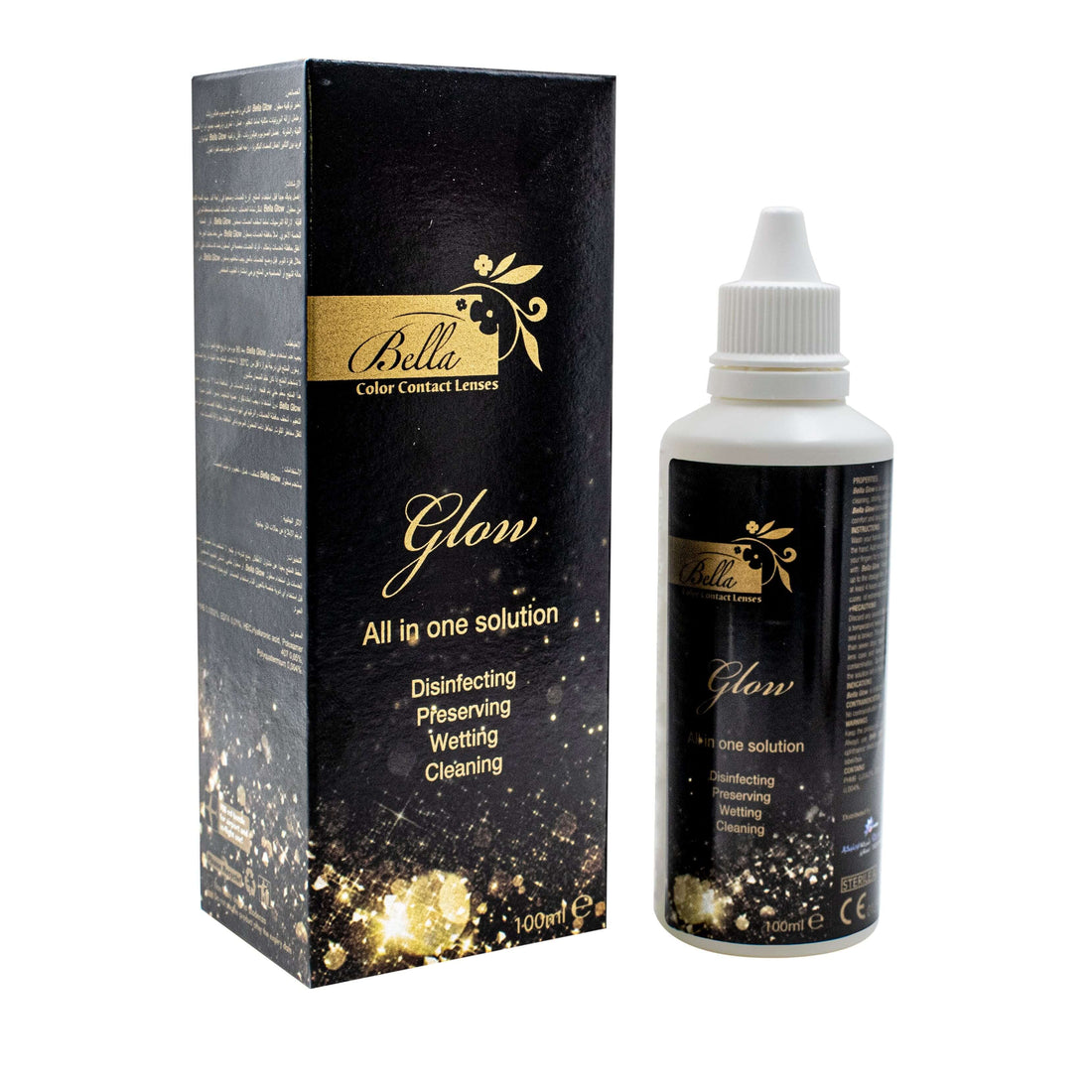

Contact lenses are safe and effective for millions of wearers in the UK, but some people experience discomfort that is often labelled as a “contact lens allergy.” In reality, true allergies to contact lenses are uncommon. More often, symptoms are caused by reactions to lens solutions, environmental allergens, or poor lens hygiene. Understanding the real cause behind eye irritation is essential for finding the right treatment and continuing to wear contact lenses safely.
What Is a Contact Lens Allergy and How Does It Affect the Eyes?
Contact lens allergy is an immune-mediated reaction that occurs when the eye becomes sensitised to contact lens materials, care solutions, or environmental allergens trapped on the lens surface. Common symptoms include itching, redness, watery eyes, and swelling, which typically worsen with continued lens wear. Early identification and appropriate lens management are essential to prevent chronic irritation and complications.
Understanding these distinctions helps prevent unnecessary discontinuation of contact lenses and guides more effective treatment.
>>> See more: Contact Lens Infection Symptoms: Signs, Causes & When to Get Help
Understanding Contact Lens Allergy Triggers
Identifying what triggers an allergic reaction is the first step toward more comfortable lens wear. These reactions are usually caused by one of five main factors:
Solution Preservatives
The chemicals used to keep your lenses sterile are the most common cause of irritation.
- Thimerosal: A traditional preservative that can cause delayed reactions (redness appearing 1 - 3 days later).
- Benzalkonium chloride: A powerful antibacterial agent that can cause immediate stinging or burning in sensitive eyes.
Lens Materials
While most modern lenses are "inert" (meaning they don't react with your body), some eyes are sensitive to specific components:
- Traditional Hydrogels: Generally very safe and rarely cause issues.
- Silicone Hydrogels: While great for oxygen flow, the silicone polymers or surface treatments can occasionally be flagged as "foreign" by your immune system.
>>> See more: What Are Contact Lenses Made Of? What You Need To Know
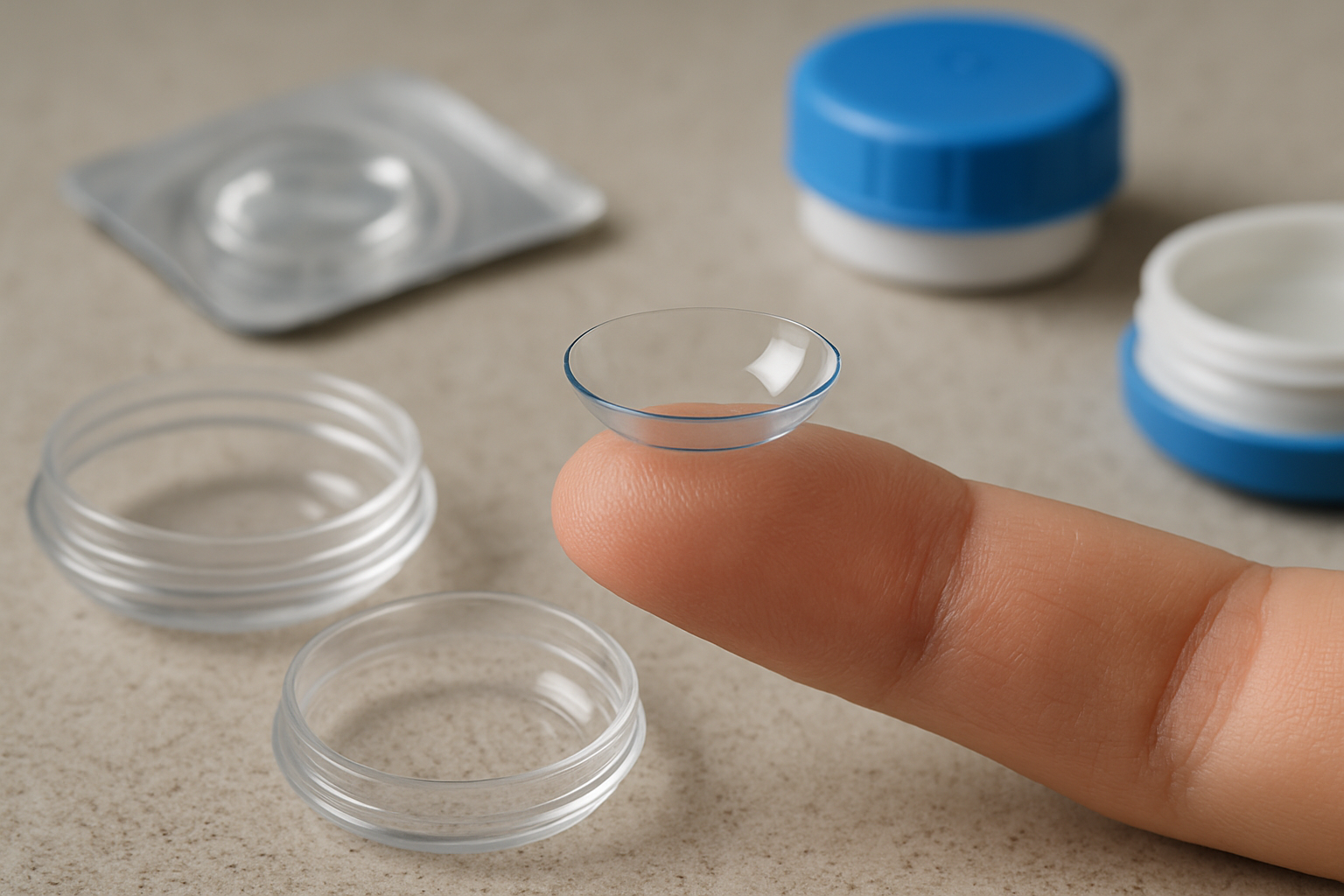
Environmental "Reservoirs"
Contact lenses can act like magnets for airborne allergens.
- Pollen & Dander: Particles stick to the lens surface, keeping them in direct contact with your eye all day.
- The Result: This often makes hay fever or pet allergies feel much worse when you are wearing your lenses.
This mechanism explains why contact lens allergy often worsens during high-pollen seasons in the UK.
Protein Build-up
If lenses aren't cleaned properly or are worn past their expiry:
- Natural Proteins: Proteins in your tears stick to the lens and "denature" (break down).
- Immune Response: Your body may stop recognising these proteins as yours and start an allergic attack against the dirty lens.
Over time, this immune sensitisation can evolve into a chronic contact lens allergy if hygiene is inadequate.
Transfer & Contamination
Allergies often start before the lens even touches your eye.
- Biofilms: Bacteria on the lens case can release toxins that sensitise the eye.
- Hand Hygiene: Traces of perfume, lotion, or soap on your fingers can transfer to the lens, causing unexpected reactions.
If you suffer from seasonal allergies, switching to daily disposables can significantly reduce symptoms by ensuring you have a fresh, pollen-free surface every morning
Contact Lens Allergy Symptoms: How to Recognise an Allergic Reaction
Symptoms of contact lens allergy typically develop gradually and worsen with continued exposure to the triggering allergen. Recognising contact lens allergy symptoms requires understanding their progressive nature and distinguishing characteristics. Symptom severity provides valuable diagnostic clues about the underlying pathophysiology.
Mild Symptoms (Early Warning Signs)
These symptoms often come and go, usually peaking when you are exposed to specific allergens (like pollen or pets).
- Itchy Eyelids: A persistent "tickle" around the margins of the eye.
- Pinkness: A faint pink tint to the whites of the eyes.
- Watery Eyes: Increased clear, watery tearing.
Moderate Symptoms (Increasing Irritation)
At this stage, the inflammation begins to affect your comfort and vision.
- Swelling (Chemosis): The clear membrane over the eye may look "puffy," creating a sensation of pressure.
- Blurred Vision: Caused by an unstable tear film or inflammation.
- Light Sensitivity (Photophobia): Discomfort when moving into bright environments.
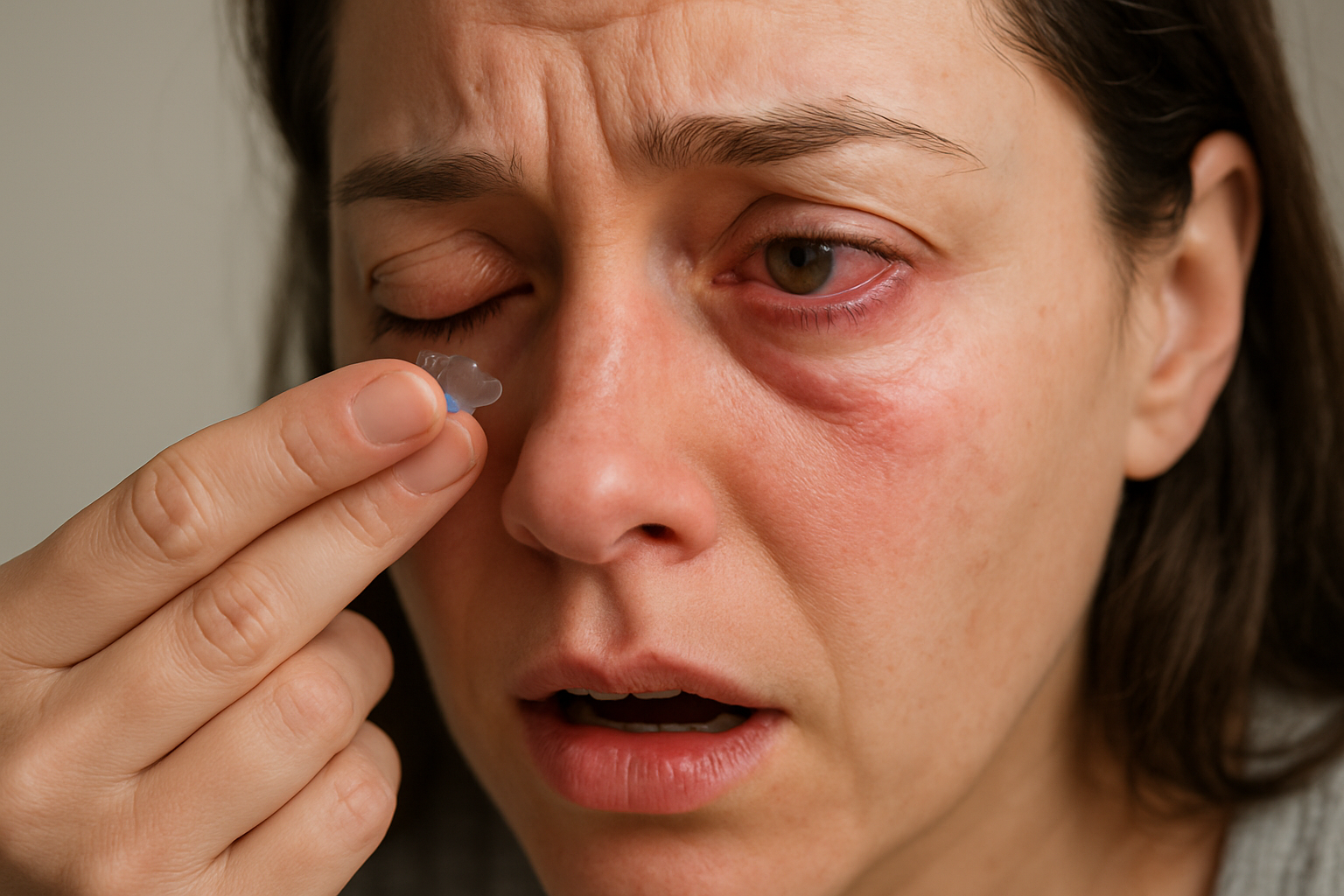
Severe Symptoms (Immediate Attention Required)
Severe reactions are painful and can interfere with your daily life.
- Constant Pain: A deep ache or sharp irritation that doesn't stop.
- Giant Papillary Conjunctivitis (GPC): The formation of "cobblestone-like" bumps on the inside of the eyelid.
- Thick Discharge: Yellow or green discharge, which may suggest a secondary infection.
| Symptom | Allergy | Infection | Dry Eye | Notes |
|---|---|---|---|---|
| Itchy eyes | ✓ | ✗ | ✓ | Common with allergy |
| Discharge | ✗ | ✓ | ✗ | Infection sign |
| Pain | ✗ | ✓ | ✗ | Severe cases |
| Blurry vision | ✓ | ✓ | ✓ | Context matters |
The temporal pattern of symptom onset provides additional diagnostic information. Allergic reactions typically develop gradually over hours or days, contrasting sharply with the rapid onset characteristic of infectious processes. Bilateral involvement suggests systemic allergen exposure, whilst unilateral symptoms may indicate localised contamination or mechanical issues.
When Contact Lens Allergy Is Misdiagnosed
Accurate differential diagnosis prevents unnecessary treatment modifications and lens abandonment. Several ocular conditions mimic contact lens allergies, each requiring distinct therapeutic approaches. Several ocular conditions can mimic contact lens allergy, making accurate diagnosis essential for effective treatment.
Dry Eye Syndrome
Dry eye syndrome frequently masquerades as allergic conjunctivitis amongst lens wearers. Meibomian gland dysfunction reduces lipid layer stability, causing rapid tear evaporation and subsequent irritation
- The Feeling: Burning and gritty sensations rather than pure itching.
- The Give-away: Antihistamines won't help, but artificial tears provide instant relief.
Solution Intolerance
Preservatives are one of the most common triggers of contact lens allergy, particularly in long-term lens wearers. Solution intolerance represents a non-immunological hypersensitivity reaction distinct from true allergies. This condition involves direct chemical irritation rather than immune-mediated responses.
- The Feeling: Sharp stinging or burning the moment you put your lenses in.
- The Fix: Symptoms disappear almost immediately if you switch to a preservative-free or hydrogen peroxide solution.
>>> See more: Best Contact Lens Solution for Dry Eyes: Top Options & How to Choose
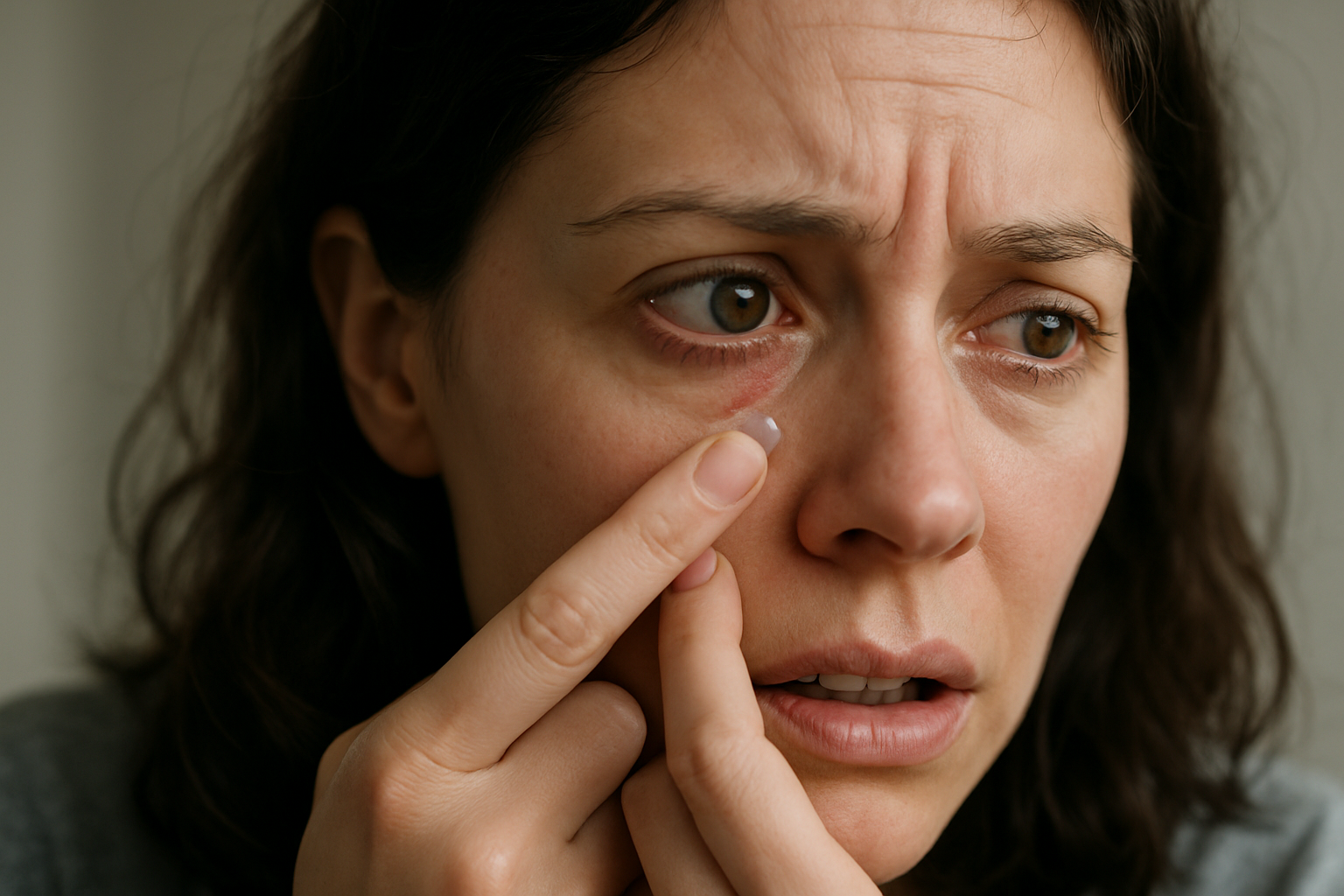
Giant Papillary Conjunctivitis (GPC)
Giant papillary conjunctivitis (GPC) develops through mechanical irritation rather than allergic mechanisms. Repeated lens movement across the upper tarsal conjunctiva stimulates papillary hyperplasia, creating characteristic cobblestone appearances
- The Feeling: Excessive mucus, blurred vision, and lenses that "slide" out of place.
- The Sign: Small, cobblestone-like bumps under the eyelid.
Seasonal Hay Fever
Seasonal allergic conjunctivitis affects contact lens wearers independently of their lenses. However, lenses can concentrate allergens against ocular surfaces, intensifying pre-existing seasonal symptoms
- The Complication: Lenses can trap pollen against the eye, making your hay fever feel twice as bad.
- The Fix: Using daily disposables during high-pollen months.
CLARE (Contact Lens-Induced Red Eye)
Contact lens-induced acute red eye (CLARE) presents dramatically with unilateral redness and discomfort. This sterile inflammatory response results from bacterial endotoxin exposure during extended wear periods. Unlike allergies, CLARE develops acutely overnight and resolves within 24-48 hours following lens discontinuation and appropriate anti-inflammatory treatment.
- The Feeling: Waking up with one very red, painful eye.
- The Difference: Unlike allergies (which usually affect both eyes), CLARE is typically unilateral (one eye only) and develops overnight.
| Condition | Primary Trigger | Main Symptom | Key Solution |
|---|---|---|---|
| True Allergy | Immune response | Intense itching | Antihistamine drops |
| Dry Eye | Lack of tear film | Burning/Grittiness | Lubricating drops |
| Intolerance | Harsh chemicals | Immediate stinging | Preservative-free care |
| GPC | Constant friction | Lens "sliding" | Better fit / New material |
| CLARE | Overnight wear | Sudden redness | Lens holiday / Medical care |
If your eyes sting immediately upon insertion, it's likely your solution. If they itch more as the day goes on, it's likely an allergy or environment. Understanding these distinctions is essential, as true contact lens allergy requires a different management approach than simple discomfort or dryness. Prompt intervention is critical when managing contact lens allergy, as continued lens wear can intensify inflammation.
Immediate Action: What to Do If You Have a Contact Lens Allergy
Prompt intervention is critical when managing contact lens allergy, as continued lens wear can intensify inflammation. Following a systematic approach ensures optimal outcomes whilst avoiding common pitfalls that worsen symptoms.
The Immediate "Stop" Rule
At the first sign of itching or redness, take your lenses out. Leaving them in traps the allergens against your eye and makes the reaction worse.
If you wear daily disposables, throw them away immediately. Do not try to clean or reuse a contaminated lens. Rubbing spreads the allergens and can cause physical damage to the surface of your eye.
Rinse and Soothe
Rinse eyes thoroughly with sterile saline solution or clean, lukewarm water. This irrigation removes surface allergens and inflammatory mediators whilst providing immediate comfort. Multiple gentle rinses prove more effective than aggressive flushing.
Never use tap water to rinse your eyes or lenses; it contains chlorine and microbes that can lead to serious infection.
Apply a clean, cold flannel over your closed eyes for 10–15 minutes to bring down swelling.
Relief Without Chemicals
Use "artificial tears" every 2–3 hours. Ensure they are preservative-free to avoid further irritation. Keep your eye drops in the fridge. The cold sensation provides much faster relief from inflammation.
Stay away from drops containing vasoconstrictors (which "get the red out"); these can cause "rebound redness" once you stop using them.
Medication
For mild reactions, Sodium Cromoglicate drops (available at most UK pharmacies) are very effective at stabilising the allergic response.
If you need these drops for more than 48 hours, you should consult your optician.
Seek immediate optician or GP consultation if symptoms include severe pain, vision changes, thick discharge, or progressive worsening despite conservative measures. These signs suggest potential secondary infection or more serious inflammatory conditions requiring professional intervention. Emergency consultation becomes essential if photophobia intensifies or if you experience sudden vision loss.
Prevention: Reduce Your Allergy Risk
Long-term prevention of contact lens allergy focuses on minimising allergen exposure and eliminating chemical triggers. Comprehensive prevention strategies significantly reduce allergic complications whilst maintaining comfortable lens wear. Implementing systematic hygiene protocols and material selection principles creates optimal conditions for successful long-term use.
Upgrade Your Lens Routine
If you suffer from allergies, daily disposables are the gold standard. They eliminate protein build-up and ensure you aren't putting pollen-soaked lenses back into your eyes the next morning.
If you use monthly lenses, consider a Hydrogen Peroxide cleaning system. Unlike multi-purpose solutions, these contain zero preservatives, which are a major trigger for sensitive eyes.
Look for lenses with "plasma surface treatments". These are specifically engineered to resist protein deposits and keep the lens surface smooth and hydrated.
2. Gold-Standard Hygiene
The Case is Key: Your lens case is a magnet for bacteria. Rinse it with fresh solution (never tap water), leave it to air-dry upside down during the day, and replace it every 3 months.
"Topping Up" is Out: Never "top up" old solution in your case. Always use fresh liquid to ensure full disinfection.
Fragrance-Free Hands: Wash your hands with plain, fragrance-free soap before touching your eyes. Perfumes and lotions in soap are common "hidden" irritants.
3. Environment & Lifestyle
Shower Before Bed: During hay fever season, pollen sticks to your hair and skin. Showering before sleep prevents you from rubbing those allergens into your pillow and eyes.
Makeup Order: Always put your lenses in before applying makeup, and take them out before removing it. This prevents oils and pigments from getting trapped under the lens.
Air Quality: Use an air purifier in your bedroom to reduce dust mites and dander, creating a "safe zone" for your eyes overnight.
>>> See more: Makeup Tips for Contact Lens Wearers: 8 Expert Eye-Safe Tips
Do Allergies Mean I Should Stop Wearing Contact Lenses?
Contact lens allergies don't necessarily signal the end of lens wear possibilities. Strategic modifications often enable continued comfortable use whilst managing allergic sensitivities effectively.
If you’re struggling with sensitivity, don't abandon your lenses just yet. Here is how to manage different levels of allergic response.
Handling Seasonal Flare-ups
You don’t always need a permanent change, sometimes you just need to adapt to the pollen count.
- The "Daily" Switch: Switching to daily disposables during hay fever season ensures you have a fresh, pollen-free surface every morning.
- Prep the Eyes: Using mast cell stabiliser drops (like Sodium Cromoglicate) before putting your lenses in can stop the allergic reaction before it starts.
- Part-time Wear: On high-pollen days, give your eyes a break and switch to spectacles.
>>> See more: How to Clean Contact Lenses Properly: Step-by-Step Guide
Managing Chronic Sensitivity
If your eyes feel irritated year-round, the issue might be your routine rather than the environment.
- Eliminate Preservatives: Switch to a hydrogen peroxide cleaning system. These are preservative-free and much gentler on chronic sufferers.
- Check Your Material: Some older lens materials can cause more "friction" or protein build-up. Modern, hypoallergenic materials (like those in the Bella Lense range) are designed specifically for biocompatibility.
3. The "Gold Standard" Solution
For most allergy sufferers, Daily Disposables are the ultimate fix.
- Zero Build-up: You throw away the protein and allergens every night.
- No Solutions: You bypass the chemicals found in multi-purpose solutions entirely.
- Predictable Comfort: Ideal if your symptoms are unpredictable or if you have multiple sensitivities.
Final Thoughts
A contact lens allergy shouldn’t end your lens-wearing journey. By choosing modern, medical-grade materials and daily disposables, you can bypass irritants entirely. Focus on prevention through strict hygiene and professional guidance; with the right strategy, most allergy sufferers can safely enjoy comfortable vision and aesthetic enhancement without compromise.
With appropriate prevention strategies, most cases of contact lens allergy can be effectively controlled without permanent lens discontinuation.