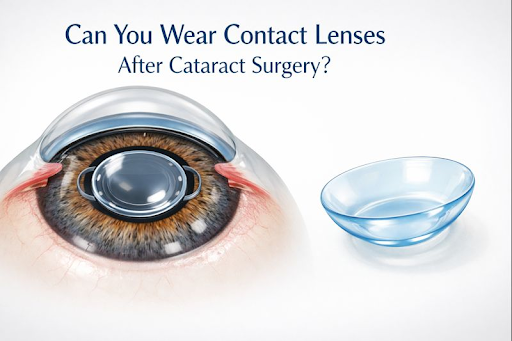
Cataract surgery restores vision by replacing the eye’s clouded natural lens with a clear artificial intraocular lens (IOL). While this procedure dramatically improves eyesight for most patients, many people still ask an important follow-up question: Can you wear contact lenses after cataract surgery?
This topic matters because visual needs do not always end with surgery. Some patients experience residual refractive errors, others desire sharper vision for specific tasks, and many still want aesthetic options such as colored contact lenses. Understanding when and how contact lenses can be safely worn after cataract surgery helps protect eye health while achieving optimal visual outcomes.
What Does Wearing Contact Lenses After Cataract Surgery Mean Medically?
Medically, wearing contact lenses after cataract surgery means introducing an external optical device to an eye that has undergone structural and physiological change. Cataract surgery alters the eye's internal focusing system and temporarily affects the corneal surface, tear film stability, and ocular sensitivity.
During the healing phase, the cornea reshapes slightly, inflammation resolves, and the eye adapts to the implanted IOL. Ophthalmologists and optometrists wait for this stabilization period before recommending contact lenses to ensure accurate prescription measurements and safe lens tolerance.
From a clinical standpoint, contact lens wear is only appropriate once post-operative healing is complete and the eye can safely support lens use without added risk.
Can You Wear Contact Lenses After Cataract Surgery?
Yes, contact lenses can be worn after cataract surgery, and many patients successfully return to them. Cataract surgery does not permanently eliminate the ability to wear contact lenses, nor does it inherently damage the structures required for lens wear.
Professional bodies such as the Royal College of Ophthalmologists and the American Academy of Ophthalmology recognize contact lenses as a valid option for correcting residual refractive errors after surgery. Patients may use contact lenses to fine-tune vision, balance differences between eyes, or achieve specific visual goals not fully addressed by intraocular lenses alone. The deciding factor is individual eye health rather than the surgery itself.

When Is It Safe to Wear Contact Lenses After Cataract Surgery?
Most eye care professionals recommend waiting four to eight weeks after cataract surgery before wearing contact lenses. This timeframe allows the eye to heal, visual acuity to stabilize, and post-operative dryness or inflammation to resolve.
Some patients heal more quickly, while others, particularly those with pre-existing dry eye, diabetes, or complicated surgeries, may require a longer waiting period. Optometrists typically confirm readiness during follow-up visits by assessing corneal integrity, tear film quality, and refractive consistency. Wearing contact lenses before this clearance can compromise healing and visual accuracy.
Why Are Contact Lenses Restricted Immediately After Cataract Surgery?
Contact lenses are restricted immediately after cataract surgery because the eye is temporarily more vulnerable to irritation, infection, and inflammation. Although modern cataract surgery uses small incisions, the eye still requires time to seal and recover fully.
Contact lenses can reduce oxygen transmission to the cornea, trap bacteria against the ocular surface, and worsen post-surgical dryness. In the early healing phase, these factors increase the risk of complications such as keratitis or delayed wound healing. Restricting contact lens use during this period protects long-term eye health and ensures a smoother recovery.
What Types of Contact Lenses Are Suitable After Cataract Surgery?
Once approved by an eye care professional, several contact lens options may be suitable depending on visual needs and eye condition.
Soft Contact Lenses
Soft contact lenses are often the first choice after cataract surgery due to their comfort and adaptability. These lenses drape naturally over the cornea and are well tolerated by most patients.
Silicone hydrogel materials allow high oxygen flow, which supports corneal health - an important consideration for post-surgical eyes. Soft lenses effectively correct mild to moderate refractive errors and are available in daily disposable formats that reduce infection risk during reintroduction.
Rigid Gas Permeable (RGP) Lenses
Rigid gas permeable lenses provide sharper optical clarity by maintaining a stable shape on the eye. Eye doctors may recommend RGP lenses for patients with irregular corneas or significant residual astigmatism after surgery.
Although RGP lenses require an adaptation period, they often deliver superior visual precision when soft lenses are insufficient. Proper fitting is essential, especially after surgical changes to corneal curvature.
Prescription Colored Contact Lenses
Prescription colored contact lenses can be safely worn after cataract surgery once the eye has healed and a proper fitting has been completed. These lenses combine vision correction with aesthetic enhancement, appealing to patients who want both clarity and cosmetic refinement.
Bella Lenses designs premium prescription colored contact lenses using advanced materials that support oxygen permeability and long-term comfort. When prescribed by an optometrist, these lenses can be a suitable option for post-surgical eyes seeking natural-looking color enhancement.

Are Contact Lenses Necessary After Cataract Surgery?
Contact lenses are not always necessary after cataract surgery. Many patients achieve excellent vision with their implanted intraocular lenses and may only need glasses for reading or specific tasks.
However, contact lenses become useful when residual refractive errors remain or when patients desire visual flexibility beyond what IOLs provide. Contact lenses can also correct conditions such as post-surgical anisometropia, where each eye has a different focusing power. The decision depends on lifestyle needs, visual expectations, and clinical assessment.
How to Safely Return to Contact Lens Wear After Cataract Surgery
A safe return to contact lens wear begins with professional guidance. Patients should attend all follow-up appointments and wait for explicit approval before inserting lenses.
Optometrists typically perform a new eye exam to measure refractive stability and assess corneal health. Using daily disposable lenses initially may reduce infection risk and improve comfort. Strict hygiene practices, limited wear time, and proper lens care further protect healing eyes. This structured approach ensures comfort, safety, and long-term visual success.

In Conclusion
Can you wear contact lenses after cataract surgery? Wearing contact lenses after cataract surgery is both possible and safe when done at the right time and with professional supervision. Whether correcting residual vision or enhancing eye color, contact lenses remain a valuable option for many patients.
Bellalense specializes in premium prescription colored contact lenses designed with comfort, safety, and visual clarity in mind. Once your eye care professional approves contact lens use, Bellalense offers advanced options that combine medical-grade materials with elegant aesthetics.
👉 Explore Bellalense’s prescription colored lenses and discover confident vision after cataract surgery.
Frequently Asked Questions (FAQs)
Can colored contact lenses be worn after cataract surgery?
Yes. Colored contact lenses can be worn after full healing and professional approval. Prescription colored lenses are recommended for both safety and clarity.
Do intraocular lenses (IOLs) replace the need for contact lenses?
IOLs correct major vision problems, but contact lenses may still be needed for residual refractive errors or cosmetic preferences.
Does cataract surgery cause dry eyes that affect contact lens wear?
Yes. Temporary dry eye is common after surgery and may affect comfort. Proper lubrication and delayed lens fitting help manage this issue.
Can contact lenses correct residual astigmatism after cataract surgery?
Yes. Toric soft lenses or RGP lenses can effectively correct post-surgical astigmatism.
What happens if contact lenses are worn too soon after surgery?
Wearing lenses too early increases the risk of infection, delayed healing, and corneal irritation. Always wait for medical clearance.