
Athletes depend on sharp, stable vision to perform at their best. Whether running a marathon, lifting weights, or competing in team sports, clear eyesight directly affects coordination, reaction time, and safety. Many active individuals ask a common question: Can you wear contact lenses for sports, and are they truly safe during physical activity? This guide explains how contact lenses perform in sports environments, which types work best, and how to wear them safely while staying competitive.
What Are Contact Lenses in a Sports Context?
Contact lenses are medical devices that sit directly on the eye’s surface. In sports, lenses must maintain visual clarity while tolerating movement, sweat, airflow, and environmental exposure.
How contact lenses function during physical activity
Contact lenses move with the eye, not the head. This design allows athletes to maintain stable vision during rapid motion. Soft contact lenses for sports conform closely to the cornea, helping them stay centered even during jumping, sprinting, or sudden directional changes. According to the American Optometric Association (AOA), this stability supports uninterrupted visual input during dynamic activities.
The difference between everyday wear and sports wear conditions
Sports environments increase eye stress. Wind, dehydration, dust, and prolonged focus raise the risk of dryness or irritation. Unlike everyday wear, sports demand lenses with higher oxygen permeability, moisture retention, and resistance to displacement. Understanding this distinction helps athletes choose lenses that match performance conditions, not just daily routines.

Can You Wear Contact Lenses for Sports?
Contact lenses are widely considered safe for sports when prescribed correctly and worn responsibly.
Vision stability and peripheral awareness
Contacts provide a natural field of vision. Glasses frames can limit peripheral awareness, while lenses allow athletes to detect movement from all angles. Studies referenced by The College of Optometrists (UK) show that contact lens users exhibit improved spatial awareness during sports.
Injury risk comparison: contact lenses vs glasses
Glasses pose a higher risk of injury during impact sports. Frames can break, shift, or press into the face. Contact lenses eliminate this hazard, which is why organizations such as the British Association of Sport and Exercise Medicine recommend contact lenses over spectacles for most athletic activities.
Which Sports Are Suitable for Wearing Contact Lenses?
Different sports present different visual and environmental demands.
Non-contact sports (running, cycling, gym training)
Endurance and fitness activities are well-suited to contact lenses. Runners and cyclists benefit from wind-stable lenses with moisture technology. Gym training allows full freedom of movement without frame slippage, making contact the preferred option for most fitness enthusiasts.
Contact sports (football, basketball, martial arts)
Contact lenses for sports are highly suitable for team and impact sports. Soft lenses rarely dislodge during collisions. Sports governing bodies and optometry associations consistently highlight contacts as safer than glasses for football, basketball, and similar activities.
Water sports (swimming, surfing, diving)
Water sports present higher risks. Lenses can trap bacteria in water, increasing the risk of infection. The Centers for Disease Control and Prevention (CDC) warns against wearing contact lenses in untreated water unless they are used with watertight goggles.
Which Types of Contact Lenses Are Best for Sports?
Not all contact lenses perform equally during physical activity.
Daily disposable contact lenses
Daily disposables offer the highest level of safety for athletes. These lenses reduce infection risk and eliminate the need for post-sport cleaning. Optometrists often recommend them for sports due to convenience and hygiene.
Soft vs rigid gas-permeable lenses
Soft lenses dominate sports use because they flex with the eye and resist displacement. Rigid gas permeable lenses offer sharper optics but can shift during impact, making them less suitable for active sports.
Prescription vs plano lenses for athletes
Prescription lenses correct refractive errors such as myopia or astigmatism. Plano lenses, which have no corrective power, serve cosmetic or protective purposes. Athletes should only use lenses prescribed or approved by an eye care professional to ensure corneal health.

What Risks Exist When Wearing Contact Lenses for Sports?
Understanding risks helps athletes prevent complications before they occur.
Dry eye and dehydration
Physical exertion reduces blink rate and increases fluid loss. This combination causes lens dryness. The National Eye Institute (NEI) confirms dehydration as a common contributor to sports-related eye discomfort.
Lens displacement and foreign bodies
Dust, sand, or sweat can enter the eye during outdoor sports. While soft lenses usually stay in place, debris may still irritate. Protective eyewear reduces this risk in high-exposure environments.
Eye infections and water exposure
Water exposure poses the greatest danger. Microorganisms like Acanthamoeba thrive in lakes and pools. Improper lens use in water increases the risk of severe eye infections, which can lead to permanent vision damage.
How to Wear Contact Lenses Safely While Playing Sports
A structured routine protects eye health and lens performance.
Pre-sport lens preparation checklist
Athletes should wash and dry their hands thoroughly before insertion. Using fresh lenses, especially daily disposables, minimizes the risk of contamination. Lubricating drops approved for contact lens use help maintain moisture.
During-sport precautions
Avoid touching your eyes mid-activity. Athletes should carry spare lenses and artificial tears during long events. Protective sports goggles add another layer of safety in dusty or high-impact settings.
Post-sport lens care routine
Remove lenses promptly after activity. Dispose of daily lenses or clean reusable ones according to the manufacturer's instructions. Eye care professionals recommend resting eyes after intense sessions to restore tear balance.
Are Colored Contact Lenses Suitable for Sports?
Colored lenses combine cosmetic appeal with visual function, but safety standards still apply.
Visibility and contrast considerations
Tinted lenses can enhance contrast in specific environments. However, poorly designed cosmetic lenses may reduce clarity or depth perception. Athletes should prioritize optical performance over aesthetics.
Safety criteria for colored sports lenses
Only FDA-approved, professionally fitted colored lenses meet safety requirements. The U.S. Food and Drug Administration (FDA) classifies all contact lenses as medical devices, including cosmetic ones.

Choosing the Right Sports Contact Lenses
Selecting contact lenses for sports involves evaluating both technical and lifestyle factors.
Key lens attributes athletes should evaluate
Athletes should look for high oxygen permeability, moisture retention, UV protection, and a secure fit. Comfort during extended wear directly influences performance consistency.
How Bella Lenses fit active lifestyles
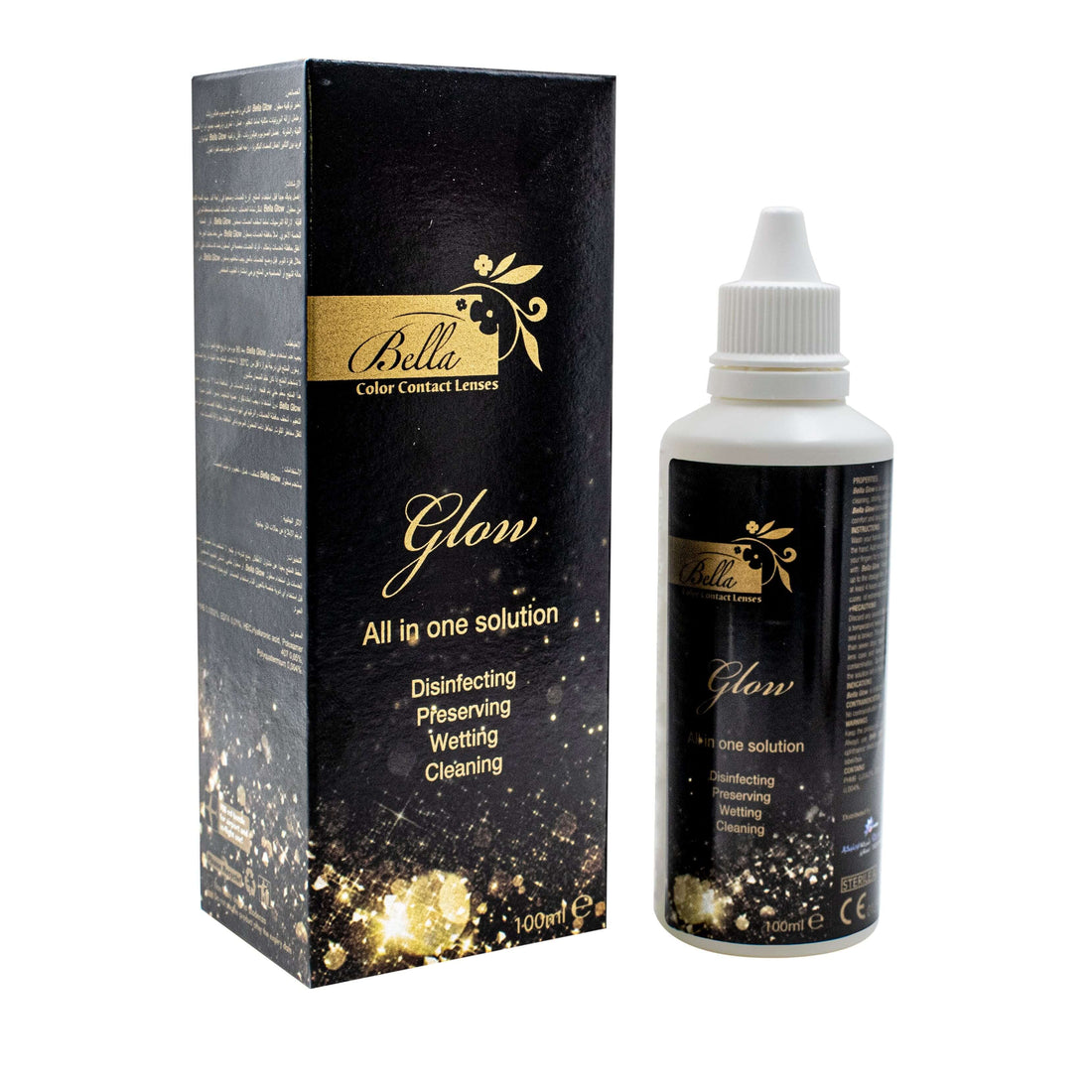
Bella Lenses offer soft, breathable materials designed for long-lasting comfort. Our daily disposable lenses meet sports hygiene standards, while aesthetic designs allow athletes to maintain their personal style without compromising eye safety.
Final thoughts
Contact lenses offer athletes clear vision, improved safety, and unrestricted movement across most sports. When chosen correctly and worn responsibly, they outperform glasses in stability, peripheral awareness, and injury prevention.
Athletes who follow professional guidance and proper hygiene routines can confidently wear contact lenses for sports while staying focused on performance. For personalized recommendations, consulting an optometrist remains the most reliable step toward safe, compelling sports vision.
FAQs
Can you wear contact lenses while running?
Yes, contact lenses work well for running. Soft or daily disposable lenses provide stable vision, full peripheral awareness, and greater comfort than glasses during repetitive movement and outdoor conditions.
Are contact lenses safe for football or basketball?
Contact lenses are safe for football and basketball. They eliminate breakage risks from glasses and remain stable during impacts, making them a preferred vision correction option for contact sports.
Can you swim with contact lenses for sports?
Swimming with contact lenses is not recommended because water can trap harmful microorganisms. If necessary, wear tight-fitting goggles and discard daily disposable lenses immediately after swimming.
Do contact lenses fall out during sports?
Properly fitted soft contact lenses rarely fall out during sports. They adhere closely to the eye and remain stable during running, jumping, and sudden directional movements.
Can colored contact lenses be worn during workouts?
Colored contact lenses can be worn during workouts if they are FDA-approved, professionally fitted, and designed for comfort, oxygen flow, and clear vision during physical activity.