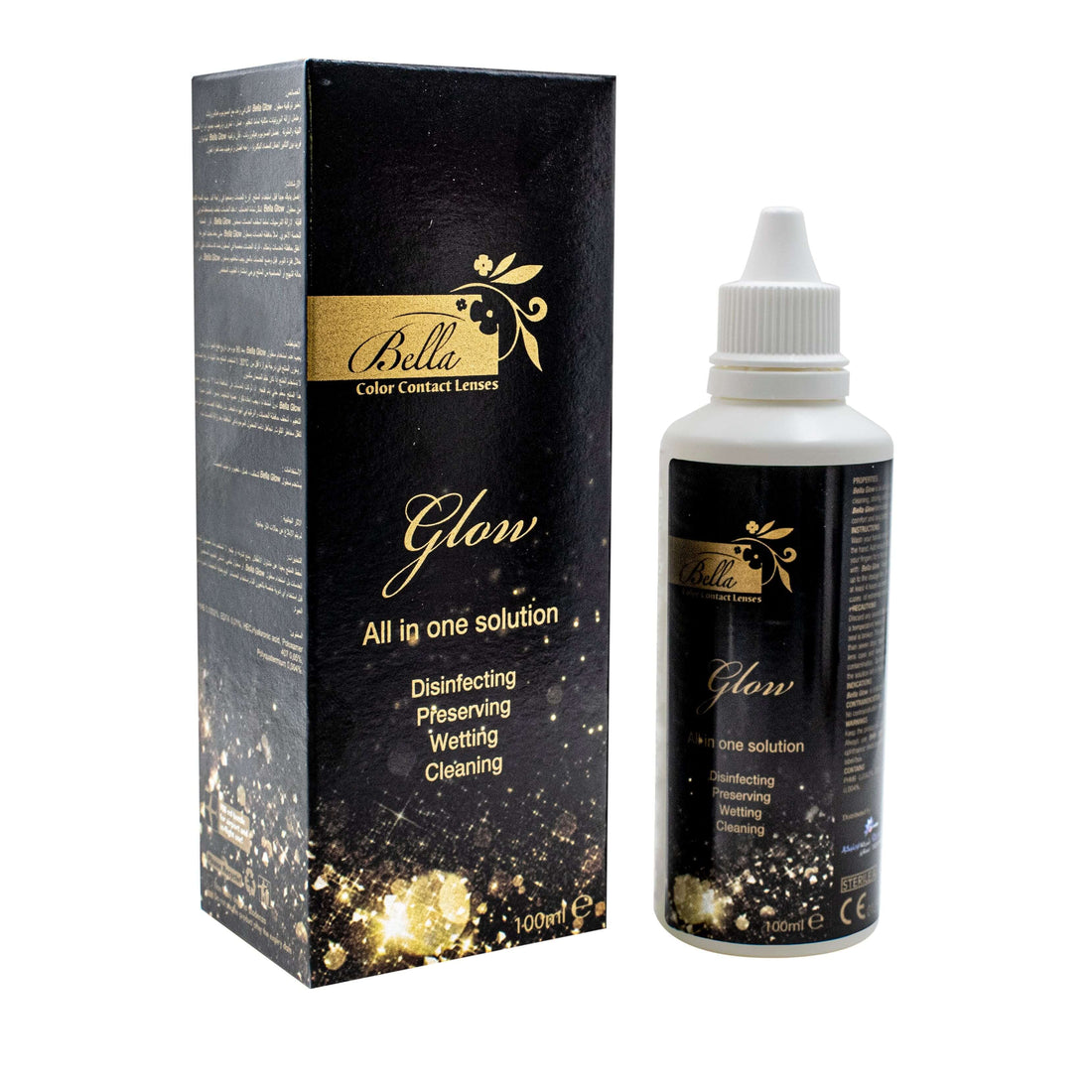

Contact lens irritation occurs when your lenses cause discomfort, redness, dryness, or a gritty feeling in one or both eyes. Common causes include poor lens fit, dry eyes, overwear, allergies, hygiene issues, or a damaged lens. Mild irritation often resolves within 15 minutes of removing the lens. Persistent pain, redness, or blurred vision requires urgent attention from a UK optician or NHS 111.
This guide walks you through the nine most common causes of contact lens irritation, a clear severity framework to help you decide what to do, specific guidance for when only one eye is affected, and important information for coloured contact lens wearers. By the end, you will know exactly what to do and when to stop waiting and seek professional help.
What Does Contact Lens Irritation Feel Like?
Not all discomfort feels the same, and knowing the specific sensation can help you identify the cause. Contact lens irritation can present in a number of ways:
-
A gritty or foreign body sensation as though something is stuck in your eye
-
Burning or stinging, particularly on insertion or after a few hours of wear
-
Itching or the persistent urge to rub your eyes
-
Redness of the white of the eye or the inner eyelid
-
Excessive tearing or watery eyes
-
Blurred vision that does not improve with blinking
-
Sensitivity to light (photophobia)
-
A feeling that your lens is moving around excessively
Is This Normal or Something to Worry About?
For brand-new contact lens wearers, mild awareness of the lens during the first few days is completely normal. You may feel the lens edges slightly when blinking this typically settles within 10 to 15 minutes as your eyes adjust. Building up your wearing time gradually is essential: most opticians recommend starting with two to four hours per day and increasing slowly over the first two weeks.
For experienced wearers who suddenly develop irritation after months or years of comfortable wear, something has changed and that change needs to be identified. Sudden-onset irritation is never something to simply push through.
>>> See more: Contact Lens Infection Symptoms: Signs, Causes & When to Get Help

9 Common Causes of Contact Lens Irritation
Poor Lens Fit: Improperly fitted lenses with incorrect base curves cause irritation by either moving excessively or trapping fluids, which is why a specific contact lens prescription is essential for comfort.
Dry Eyes: Insufficient tear production or rapid evaporation causes lenses to dehydrate on the eye, leading to gritty sensations often worsened by screen use, air conditioning, certain medications, and aging.
Overwearing Lenses: Exceeding recommended wearing times restricts vital oxygen supply to the cornea and allows waste products to accumulate, potentially resulting in redness, irritation, and permanent damage like corneal neovascularisation.
Allergic Sensitivities: Reusable lenses can attract airborne allergens or cause reactions to solution preservatives, leading to itching and redness that may be resolved by switching to daily disposables or preservative-free systems.
Hygiene and Contamination: Inadequate cleaning or using tap water introduces dangerous bacteria and organisms like Acanthamoeba into the eyes, significantly increasing the risk of serious infections that can potentially lead to blindness.
Inaccurate Lens Fit: Lenses with improper base curves or diameters move excessively or restrict oxygen, causing significant discomfort; therefore, you should never use a glasses prescription to order contacts.
Dry Eye Syndrome: Insufficient tear film or rapid evaporation leads to lens dehydration and a gritty sensation, often worsened by prolonged screen use, aging, or dry indoor air-conditioned environments.
Overwearing Schedules: Exceeding the recommended daily wear time of 10 to 12 hours restricts vital oxygen to the cornea, potentially leading to redness and the growth of abnormal blood vessels.
Allergen Accumulation: Reusable lenses frequently trap pollen and dust, while some users develop sensitivities to preservatives in cleaning solutions, causing persistent itching, watering, and redness during hay fever seasons.
Poor Hygiene Practices: Failing to use fresh solution or rinsing cases with tap water introduces dangerous bacteria and parasites, significantly increasing the risk of developing rare but potentially blinding eye infections.

Expired Lens Usage: Wearing disposable lenses beyond their intended replacement date allows protein deposits to build up and material to degrade, which reduces oxygen permeability and causes noticeable eye irritation.
Environmental Triggers: Low humidity in offices, central heating, and smoky atmospheres accelerate tear evaporation, though the 20-20-20 rule can help maintain the tear film during heavy digital screen use.
Cosmetic Contamination: Applying eyeliner to the waterline or using hairspray while wearing lenses can block oil glands and trap particles on the lens surface, leading to sustained discomfort and blurry vision.
Underlying Medical Conditions: Persistent irritation may signal external issues like blepharitis or corneal abrasions; if discomfort continues after removing the lenses, you must seek an assessment from a qualified eye professional.
If you remove your lenses and discomfort continues or worsens after removal, the source is almost certainly not the lens itself. This requires assessment by a UK-registered optician or GP.
>>> See more: How To Care Your Contact Lens For Eye Health and Lens Longevity
Why Is My Contact Lens Irritating Only One Eye?
One-sided irritation where only one eye is uncomfortable is one of the most commonly searched and least well-answered questions in contact lens care. It is puzzling precisely because it suggests the cause is specific to that eye rather than a systemic issue like dry eye or solution sensitivity.
Here are the seven most common reasons for irritation in one eye only:
Reasons One Eye May Be More Irritated
|
Cause |
What Happens |
What to Do |
|
Torn or damaged lens |
A torn edge or split in the lens creates a sharp point that catches on the conjunctiva with each blink. Pain is often sudden and sharp. |
Remove the lens immediately. Inspect it on your fingertip. If damaged, discard and use a fresh lens. Never reinsert a torn lens. |
|
Eyelash or debris trapped beneath the lens |
A stray eyelash, dust particle, or fibre lodged between the lens and cornea causes persistent irritation. |
Remove the lens, inspect it, rinse with saline, and check the eye. Reinsert if clean and no damage. |
|
Lens inserted inside out |
Soft lenses inverted have a slightly flatter profile that does not conform to the cornea correctly, causing a gritty sensation. Vision may also be affected. |
Remove and check the lens edge profile a correctly orientated lens forms a clean bowl shape; an inside-out lens has a slightly flared rim. |
|
Different prescription or fit between eyes |
Many people have a significant difference in prescription or corneal curvature between their two eyes. One eye may simply need a different lens type or base curve. |
Discuss asymmetric fit at your next contact lens check-up. |
|
Asymmetric dry eye |
Dry eye often affects one eye more than the other due to differences in meibomian gland function, blinking patterns, or environmental exposure. |
Try lubricating drops in the affected eye. If recurrent, mention it to your optician. |
|
Infection or corneal issue in one eye |
The early stages of keratitis (corneal inflammation) or conjunctivitis frequently begin in one eye before potentially spreading. |
Remove the lens from the affected eye immediately. If pain, discharge, or light sensitivity is present, seek same-day optician or NHS 111 assessment. |
|
Air vent or fan exposure on one side |
Office air conditioning vents or fans directed at one side of the face accelerate tear evaporation in that eye specifically. |
Adjust your seating position or redirect the airflow. Use lubricating drops if the environment cannot be changed. |
How to Treat Contact Lens Irritation A Severity-Based Guide
Not all irritation requires the same response. The most important skill you can develop as a contact lens wearer is knowing which category of irritation you are experiencing because the right action depends entirely on severity.
|
Severity |
Symptoms |
What to Do |
Timeframe |
|
🟢 Mild |
Slight gritty feeling, minor dryness, awareness of lens |
Remove lens, inspect, rinse with saline, reinsert or use lubricating drops |
Should resolve within 15–30 min |
|
🟡 Moderate |
Persistent redness, watering, ongoing discomfort after removal |
Remove lens, switch to glasses, identify the cause; rest eyes for 24 hrs |
24–48 hrs; see optician if no improvement |
|
🟠 Severe |
Significant pain, blurred vision, light sensitivity, discharge |
Remove lens immediately. Do NOT reinsert. Call NHS 111 or visit optician same day |
Same-day professional assessment required |
|
🔴 Emergency |
Sudden vision loss, extreme pain, swollen eyelid, chemical contact |
Remove lens immediately. Go to A&E or call 999. Do not wait |
Immediate minutes matter |
Mild Irritation Your 5-Step Immediate Response
If your symptoms are mild (minor gritty feeling, slight dryness, general lens awareness), work through these steps in order:
-
Wash and dry your hands thoroughly.
-
Remove the lens from the affected eye.
-
Inspect the lens on your fingertip under good light for damage, debris, or inside-out orientation.
-
If clean and intact, rinse it with fresh sterile saline and gently clean it with your solution (for reusable lenses). Reinsert.
-
If discomfort continues after 10 to 15 minutes, remove the lens and apply a preservative-free lubricating eye drop to the eye. Allow your eye to rest and try again with a fresh lens if you have one available.
Not all eye drops are safe to use while wearing contact lenses. Look for drops specifically labelled 'suitable for use with contact lenses' these are usually preservative-free rewetting drops. Standard allergy or antibiotic eye drops must be instilled with the lens removed, and you must wait 15 minutes before reinserting the lens. If in doubt, ask your Specsavers, Boots Opticians, or Vision Express optician for guidance.
>>>> See more: Contact Lens Eye Drops: Best Drops for Dry Eyes & Safe Use Guide
Moderate Irritation When to Switch to Glasses
Moderate irritation persistent redness, ongoing watering after lens removal, or discomfort that does not improve with fresh lenses or rewetting drops is a signal from your eyes that they need a break. Remove your lenses and switch to glasses for 24 to 48 hours. During this period:
Do not attempt to reinsert the same lenses that were causing irritation
If you use reusable lenses, clean and store them properly during the break
Identify potential environmental or behavioural causes: Did you sleep in the lenses? Use them in water? Apply new makeup or change your solution brand?
If symptoms have not fully resolved after 48 hours without lenses, contact your optician for an appointment

Severe and Emergency Situations UK Care Pathway
Severe symptoms significant pain, sensitivity to light, blurred vision that does not clear after lens removal, discharge, or sudden-onset severe discomfort require professional assessment on the same day. The UK NHS provides several routes:
|
Route |
When to Use |
Contact |
|
Your regular optician |
Pain or discomfort that does not resolve after 24 hrs of no lens wear; recurring irritation; moderate worsening symptoms |
Call your optician directly and request an urgent appointment |
|
NHS 111 |
Sudden eye pain, light sensitivity, vision changes, discharge; unsure how serious symptoms are |
Call 111 or visit 111.nhs.uk |
|
Urgent Eye Care (MECS) |
Acute red eye, pain, photophobia many NHS areas have Minor Eye Conditions Services at local opticians |
Ask NHS 111 or your GP for your nearest MECS provider |
|
A&E / 999 |
Extreme pain, sudden significant vision loss, chemical exposure, severe swelling or injury |
Go to your nearest A&E or call 999 immediately |
Remove your contact lenses immediately and seek same-day professional assessment if you experience any of these symptoms: sharp or severe eye pain that does not subside after lens removal, sudden blurred or cloudy vision, significant eye discharge or crusting, marked sensitivity to light (needing to close the eye in normal lighting), a visible white or grey spot on your cornea, significant eyelid swelling, or severe redness across the entire white of the eye. These can be signs of microbial keratitis or corneal ulceration conditions that are treatable when caught early but can cause permanent vision damage if left.
How to Choose Coloured Contacts That Are Less Likely to Irritate
|
Factor |
What to Look For |
Why It Matters |
|
Material |
Silicone hydrogel (not standard hydrogel) |
Allows up to 6x more oxygen to reach the cornea; reduces dryness and end-of-day irritation |
|
Pigment technology |
Sandwiched / embedded pigment (not surface printed) |
Keeps colour pigment away from the eye's surface critical for safety and comfort |
|
Wearing schedule |
Daily disposable (if available) or monthly with rigorous cleaning |
Fresh lenses reduce allergen and deposit buildup |
|
Certifications |
CE marked / UKCA / FDA approved |
Confirms the lens meets UK and international medical device safety standards |
|
Prescription fitting |
Always from a GOC-registered UK optician |
Ensures correct base curve, diameter, and power for your specific eyes |
👉 Shop Bella Coloured Prescription Lenses
All Bella Lense coloured contact lenses use embedded pigment technology and comply with FDA Class II and CE/UKCA safety standards. Our prescription coloured collections are available in a range of corrective powers and are designed for maximum all-day comfort.
How to Prevent Contact Lens Irritation
The vast majority of contact lens irritation is preventable with consistent habits. Use this checklist as your weekly reference:
-
Always wash your hands thoroughly with soap and dry them completely before handling lenses
-
Never wear lenses beyond the recommended daily wearing time (typically 10–12 hours for soft lenses)
-
Replace lenses on the correct schedule daily lenses are single-use; never extend a monthly lens beyond 30 days
-
Never rinse lenses, lens cases, or your hands with tap water always use sterile saline or multipurpose solution
-
Replace your lens storage solution completely every day never 'top up' used solution
-
Clean your lens case with fresh solution (not water), rub it dry, and replace it every 1–3 months
-
Insert lenses before applying makeup; remove lenses before removing makeup
-
Keep aerosol products (hairspray, perfume, dry shampoo) away from your face while lenses are in
-
Remove lenses before swimming, showering, or any water-based activity
-
Never sleep in lenses unless your optician has specifically prescribed extended-wear lenses
-
Use lubricating eye drops approved for contact lens use if eyes feel dry during the day
-
Follow the 20-20-20 rule during screen use every 20 minutes, look 20 feet away for 20 seconds
-
Attend annual contact lens check-ups with your UK-registered optician, even if your eyes feel fine
-
Never share contact lenses with another person ever
-
Always carry a spare pair of glasses in case lenses need to be removed unexpectedly
Ready to Find Contact Lenses That Work More Comfortably for You?
Most contact lens irritation is resolvable and often, it begins with finding a lens that is a better match for your eyes. Whether that means switching to daily disposables to reduce allergen build-up, upgrading to a silicone hydrogel material for better oxygen permeability, or simply ensuring your prescription and fit are current, there is almost always a solution.
Contact lenses are medical devices regulated by the MHRA in the UK. Always obtain a valid contact lens prescription from a GOC-registered optician before purchasing. If you experience eye pain, sudden vision changes, or signs of infection, remove your lenses immediately and contact NHS 111, your optician, or attend A&E if symptoms are severe. This article does not constitute medical advice.