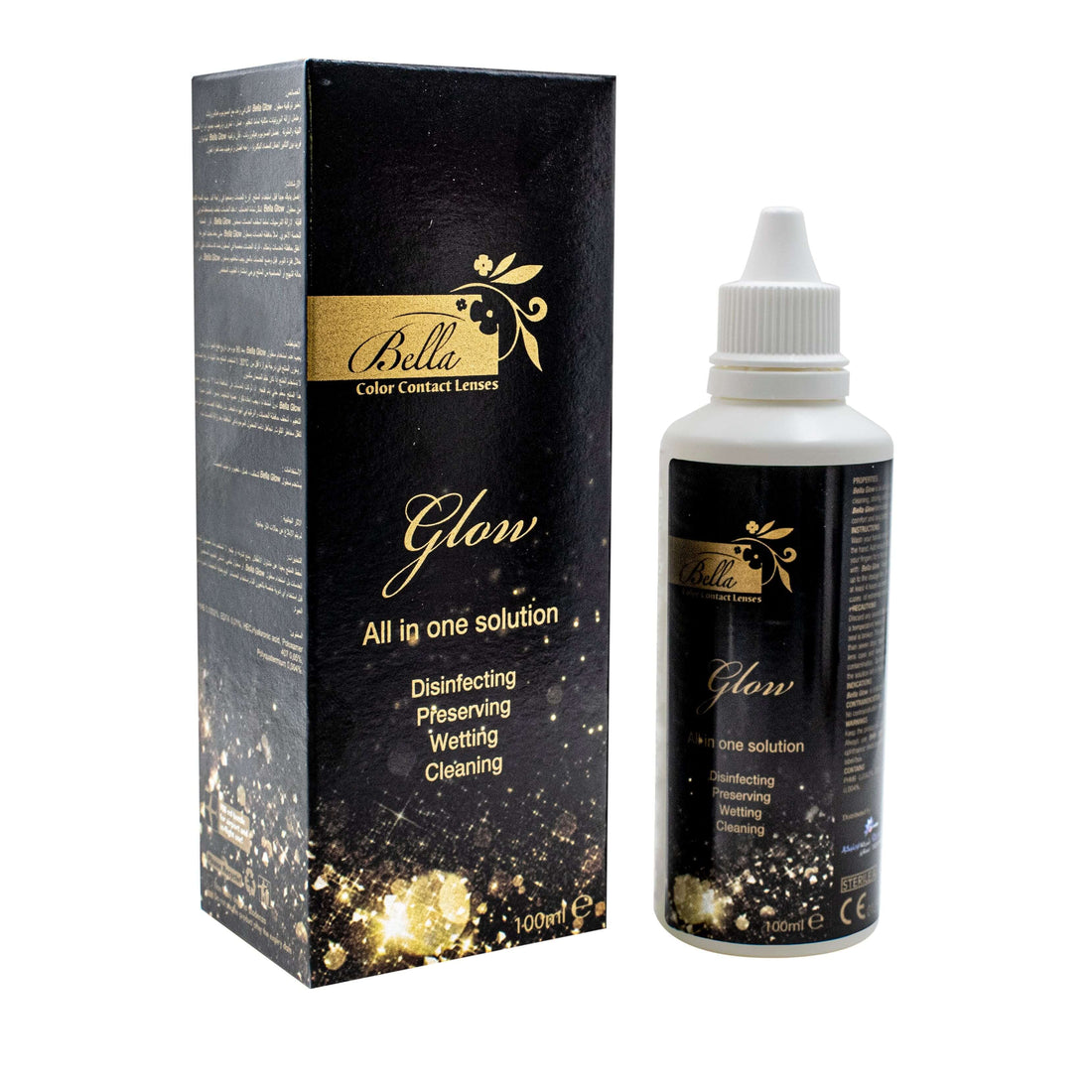

Many contact lens wearers experience a moment of panic when a lens suddenly feels missing. The fear of having contact lenses stuck behind the eye is especially common among first-time users who are still adjusting to the sensation of wearing lenses daily. When a lens shifts unexpectedly or becomes difficult to remove, it can create the unsettling feeling that it has disappeared somewhere behind the eyeball.
Understanding why this happens helps reduce anxiety and encourages safer lens handling habits. This guide explains what really happens when a contact lens feels stuck, how to remove it safely, and when professional help may be necessary.
Can Contact Lenses Get Stuck Behind Your Eye?
The idea of a contact lens disappearing behind the eye sounds frightening, but it cannot happen medically. The structure of the eye prevents lenses from extending beyond their visible surface.
The conjunctiva is a thin membrane that covers the white part of the eye and lines the inside of the eyelids. This tissue forms a continuous connection between the eyelid and eyeball, creating a closed space. Because of this barrier, contact lenses cannot physically move behind the eye.
When people search for phrases like “can contact lenses get stuck behind the eye” or “contact lens lost in eye,” they are usually experiencing a lens that has shifted under the upper eyelid. Soft lenses are flexible and can fold during blinking, especially when the eye becomes dry. A folded lens may feel invisible at first, even though it remains on the eye surface.
A lens trapped under eyelid tissue often creates irritation or the sensation that something is moving around in the eye. In many cases, blinking, lubricating drops, or a gentle eyelid massage can help reposition the lens naturally.
Understanding this anatomy is reassuring because it confirms that lenses may shift temporarily, but they do not vanish inside the eye.

Common Reasons a Contact Lens Feels Stuck
A contact lens rarely becomes truly “stuck.” More often than not, the lens becomes dry, folded, or displaced, making removal more difficult than usual. Several everyday habits can contribute to this sensation.
Dry eyes are one of the most common causes. When tears evaporate too quickly, the lens can cling more tightly to the eye surface. Long hours of screen use reduce blinking frequency, which worsens dryness and discomfort. Dehydration can also affect tear production and increase lens irritation throughout the day.
Sleeping in contact lenses can make the problem worse. During sleep, lenses receive less oxygen and may dry against the cornea. Even lenses approved for extended wear can feel uncomfortable after overnight use if the eyes are already dry or sensitive. Check out Contact Lenses You Can Sleep In.
Soft lenses may also fold during insertion or while rubbing the eyes. A folded lens can shift beneath the upper eyelid, making it feel as though it has disappeared completely. Poor lens fit also increases the likelihood of movement and discomfort.
Wearing lenses longer than recommended may reduce moisture retention and flexibility. Older lenses often accumulate deposits that make them less breathable and harder to remove comfortably.
Modern coloured and prescription contact lenses are designed with improved hydration and oxygen permeability to enhance comfort. High-quality lenses with breathable materials generally move more naturally on the eye and reduce the likelihood of sticking due to dryness. Proper fitting also plays a major role in preventing discomfort, especially for cosmetically coloured lenses intended for long daily wear.
Learning How To Use Contact Lenses and using premium lens materials help maintain comfort and reduce the risk of a lens feeling trapped.
Signs Your Contact Lens May Be Trapped Under the Eyelid
In most situations, people notice symptoms even when they cannot immediately see the lens. A displaced lens typically causes mild but noticeable irritation rather than severe pain.
Common signs include:
-
Feeling something moving inside the eye
-
Mild scratching or irritation during blinking
-
Excessive tearing or watery eyes
-
Blurred or fluctuating vision
-
Redness around the eye
-
Discomfort when looking upward
-
Sensitivity to bright light
These symptoms often occur when a soft lens folds beneath the upper eyelid. The lens may remain difficult to spot because it becomes partially compressed or dehydrated.
Severe pain is less common and may indicate another issue, such as a scratched cornea or infection. Aggressively rubbing the eyes can worsen irritation and make the lens harder to locate. Remaining calm and using lubrication is usually the safest first step.
Read more: How Long Do Coloured Contact Lenses Last? UK Guide to Replacement Schedules and Daily Wear

How to Remove Contact Lenses Stuck Behind Eye Safely
When a lens feels stuck, gentle handling is essential. Most lenses can be removed safely at home with patience and proper lubrication.
1. Wash and Dry Your Hands
Always begin by washing your hands thoroughly with soap and water. Dry them with a lint-free towel before touching the eye area. Clean hands reduce the risk of irritation and infection during stuck contact lens removal.
2. Use Lubricating Eye Drops
Lubricating drops help rehydrate both the eye surface and the lens itself. A dry lens often adheres more tightly to the eye, making removal difficult. Preservative-free artificial tears usually work best because they add moisture without causing additional irritation.
After applying drops, blink several times slowly to encourage the lens to move naturally.
3. Look in Different Directions
Moving the eyes upward, downward, and sideways may reveal the lens edge. Sometimes a lens shifts beneath the upper eyelid and becomes visible only when the eye changes direction.
Using a mirror under bright lighting can also help locate folded lenses more easily.
4. Gently Massage the Eyelid
If the lens remains hidden, close the eye and gently massage the upper eyelid using circular motions. This may guide the lens back toward the centre of the eye, where it becomes easier to remove.
Pressure should remain light. Excessive rubbing can irritate the cornea and increase redness.
5. Carefully Pinch the Lens Out
Once the lens becomes visible, look upward slightly and use clean fingertips to gently pinch the soft lens between the thumb and index finger. Remove it slowly and steadily, without pulling too hard.
Anyone wondering how to remove contact lenses stuck behind eye should remember that patience is more effective than force. If discomfort increases or the lens cannot be located after repeated attempts, professional assistance is the safest option.
Read more: Why Are My Contact Lenses Green? Causes, Safety & What to Do

What Not to Do When a Contact Lens Feels Stuck
Panic often makes contact lens removal more difficult. Many eye injuries occur because people attempt to force the lens out too aggressively.
Avoid the following:
-
Using tweezers or sharp objects
-
Rubbing the eye excessively
-
Pulling harshly on the eyelid
-
Continuing to wear a damaged lens
-
Ignoring persistent irritation
Overwearing contact lenses can worsen dryness and increase the sensation that the lens is stuck to the eye's surface. Patience and lubrication are safer and more effective than forceful removal attempts.
If a lens tears during removal, ensure all pieces are removed carefully. Never reinsert a damaged lens, as broken edges may scratch the eye.
Healthy contact lens habits significantly reduce the risk of discomfort and irritation over time.
When to See an Eye Doctor
Most cases of a “lost” contact lens are harmless and temporary. However, certain symptoms require professional evaluation.
An eye specialist should be consulted if:
-
The lens cannot be located after multiple attempts
-
Pain becomes severe or persistent
-
Vision changes suddenly
-
The eye becomes swollen or intensely red
-
There is discharge or a possible infection
Eye doctors can safely locate and remove folded or displaced lenses using specialised tools and magnification. They can also check for scratches or irritation caused by overwearing or dry lenses.
Prompt care usually prevents complications, and serious issues remain uncommon when symptoms are addressed early.

Tips to Prevent Contact Lenses From Feeling Stuck
Prevention begins with consistent lens care and healthy eye habits. Comfortable lenses are less likely to shift, dry out, or become difficult to remove.
Helpful prevention strategies include:
-
Keeping lenses hydrated throughout the day
-
Following replacement schedules carefully
-
Avoiding overnight wear unless approved
-
Using a fresh cleaning solution daily
-
Removing lenses before dryness becomes severe
-
Taking screen breaks to encourage blinking
Choosing high-quality contact lenses designed for breathability and moisture retention can also significantly improve comfort. Modern coloured contact lenses often use advanced materials that allow more oxygen flow to the eye while maintaining hydration.
Properly fitted coloured lenses can feel just as comfortable as clear lenses when worn correctly. Premium lenses with reliable manufacturing standards help minimise irritation and improve the overall wearing experience.
Regular eye exams also ensure that lenses continue to fit properly as eye health changes over time.
In Conclusion
The fear of contact lenses stuck behind eye is common, but understanding eye anatomy makes the situation far less alarming. Contact lenses cannot travel behind the eyeball because the conjunctiva creates a protective barrier around the eye surface.
In most cases, a “missing” lens is simply folded, displaced beneath the eyelid, or temporarily difficult to locate because of dryness. Calm handling, lubrication, and gentle removal techniques usually solve the problem safely.
Healthy habits such as proper cleaning, regular replacement, hydration, and choosing breathable lenses all help reduce discomfort and improve everyday wear. High-quality lenses designed for comfort can make both coloured and prescription contact lenses feel more natural and secure.
Whether someone is new to lenses or has worn them for years, understanding how to handle lenses safely builds confidence and protects long-term eye health.
FAQs
1. Can contact lenses get stuck behind your eye?
No. Contact lenses cannot move behind the eye because the conjunctiva membrane blocks access behind the eyeball.
2. Why does my contact lens feel stuck?
Dryness, folded lenses, poor fit, or sleeping in lenses commonly create the sensation that a lens is stuck.
3. How do I remove a contact lens trapped under my eyelid?
Use lubricating drops, look in different directions, gently massage the eyelid, and carefully pinch the lens out once visible.
4. Is it dangerous if I cannot find my contact lens?
Most cases are harmless, but persistent pain, redness, or vision changes should be evaluated by an eye doctor.
5. Can coloured contact lenses feel as comfortable as clear lenses?
Yes. Properly fitted coloured contact lenses made from breathable, high-quality materials can feel very comfortable during daily wear.