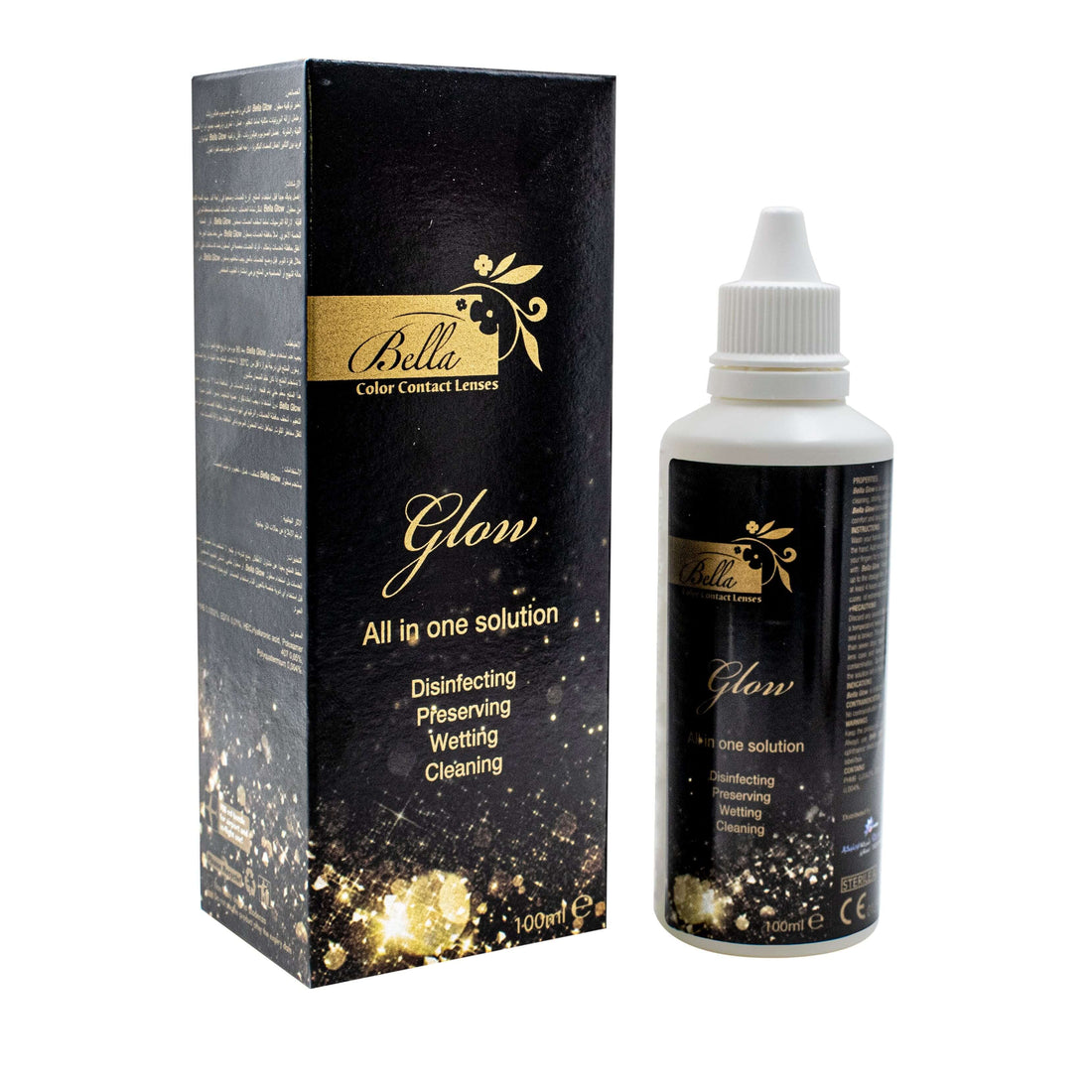

Red eyes after contact lens wear are a common issue affecting both new and experienced lens wearers. Many people notice mild redness, irritation, dryness, burning, or bloodshot eyes after prolonged lens wear. In some cases, the discomfort disappears quickly after removing the lenses. However, persistent redness may indicate improper lens care, overwearing, allergies, or underlying eye irritation.
Several factors can cause contact lenses to lead to red eyes, including reduced oxygen flow, poor hygiene, and dry eye symptoms. Understanding the causes, warning signs, and prevention strategies can help lens wearers protect long-term eye health while maintaining comfort and clear vision.
Why Do Contact Lenses Cause Red Eyes?
Contact lenses sit directly on the surface of the eye, which means they can influence moisture balance, oxygen flow, and overall eye comfort. Redness usually develops when the eyes become stressed, irritated, or inflamed.
Reduced Oxygen Flow to the Eyes
The cornea does not contain blood vessels, so it relies on oxygen from the air. Contact lenses partially block oxygen transmission, especially when lenses are worn for extended periods. Low oxygen exposure can cause blood vessels in the eyes to expand, leading to redness and discomfort.
Overwearing lenses is one of the most common causes of irritation. Sleeping in contact lenses can worsen the problem because the eyes already receive less oxygen during sleep. According to the American Academy of Ophthalmology, overnight lens wear significantly increases the risk of inflammation and infection.
Dryness and Eye Irritation
Many lens users experience dryness because contact lenses affect the natural tear film. Dry indoor air, air conditioning, heating systems, and prolonged screen time can accelerate moisture evaporation.
People often blink less while using digital devices, which further dries the eyes. As the eye surface becomes dehydrated, blood vessels dilate in response to irritation, making the eyes appear red or bloodshot.
Allergies and Lens Sensitivity
Environmental allergens can attach to contact lenses throughout the day. Dust, pollen, smoke, and pet dander may irritate sensitive eyes and worsen redness.
Protein deposits that accumulate on lenses can also trigger inflammation. Some users additionally react to preservatives in lens cleaning solutions. Seasonal allergies often intensify these symptoms during the spring and fall months.
Poor Lens Hygiene
Improper hygiene dramatically increases irritation risk. Common mistakes include:
-
Touching lenses with unwashed hands
-
Using expired cleaning solution
-
Topping off the old solution instead of replacing it
-
Reusing disposable lenses beyond their intended schedule
Bacteria and debris can quickly build up on lenses, causing redness, discomfort, and potentially serious eye infections.
As redness develops, additional symptoms often appear, helping determine whether the irritation is mild or medically concerning.

Common Symptoms That Accompany Red Eyes From Contact Lenses
Symptoms can vary depending on the severity of irritation or inflammation. Mild discomfort may improve quickly, while more serious symptoms may require professional care.
-
Burning sensation: The eyes may feel hot, irritated, or uncomfortable after wearing lenses.
-
Itching: Allergies, dryness, or protein buildup commonly trigger itching.
-
Excessive tearing: The eyes may overproduce tears in response to irritation.
-
Blurred vision: Dryness or poorly fitting lenses can temporarily affect visual clarity.
-
Light sensitivity: Inflamed eyes may become more sensitive to sunlight or bright screens.
-
Eye pain: Sharp or persistent pain can indicate corneal irritation or infection.
-
Swelling: Inflamed eyelids or eye tissue may appear puffy or irritated.
-
Foreign-body sensation: Many users feel as though something is stuck in the eye.
These symptoms help distinguish temporary irritation from more serious conditions that may require immediate medical attention.
Contact Lenses Making Eyes Red: The Most Common Mistakes
Many cases of red eyes after contact lenses result from daily lens habits rather than the lenses themselves. Small mistakes can gradually increase inflammation and discomfort.
1. Wearing Lenses Too Long
Exceeding recommended wearing times reduces oxygen supply and increases dryness. Daily wear lenses should be removed according to the manufacturer's guidelines.
Overnight wear places additional stress on the eyes and increases the risk of infections and inflammation.
2. Using the Wrong Lens Type
Poorly fitted lenses may rub against the eye surface and create chronic irritation. Low-oxygen-permeability lenses can also trap heat and reduce comfort.
Cheap or low-quality lenses sometimes use materials that retain less moisture or provide inadequate breathability. Premium-quality lenses made with advanced breathable materials generally improve comfort and reduce the risk of irritation.
3. Ignoring Lens Replacement Schedules
Daily Contact Lenses should never be reused, while monthly lenses must be replaced on schedule. Overworn lenses collect deposits, bacteria, and allergens that increase inflammation.
Old lenses may also develop tiny surface scratches that irritate the cornea during blinking.
4. Poor Makeup and Skincare Habits
Makeup particles can enter the eye and stick to contact lenses. Oil-based skincare products may coat the lens surface, affecting comfort or clarity.
Applying makeup after inserting lenses and removing lenses before cleansing routines can help minimise contamination.
Comfort-focused coloured lenses with breathable materials and proper fitting may help reduce irritation while supporting everyday wear.
Read more: Can You Cry with Contact Lenses In? A UK Guide for Coloured Lens Wearers

How to Relieve Red Eyes After Contact Lenses?
Quick treatment can reduce irritation and help the eyes recover more comfortably.
1. Remove Your Lenses Immediately
The first step is removing the lenses to allow the eyes to breathe naturally. This reduces friction and restores oxygen exposure to the cornea.
Mild irritation often improves within a few hours after lens removal.
2. Use Lubricating Eye Drops
Preservative-free artificial tears can help restore moisture and soothe dryness. Lubricating drops support the tear film and reduce irritation.
Redness-reducing eye drops should not be overused because they may worsen rebound redness over time.
3. Rest Your Eyes
Reducing screen time allows the eyes to recover more efficiently. Frequent blinking also helps stabilise moisture levels.
Avoid rubbing the eyes, as it can worsen inflammation and increase irritation.
4. Switch to Fresh Lenses
Damaged or old lenses should be discarded immediately. Fresh lenses reduce exposure to allergens, deposits, and bacteria.
Daily disposable lenses can help minimise buildup and improve comfort for sensitive eyes.
5. Clean and Store Lenses Properly
A proper disinfecting routine is essential for eye safety. Lens cases should also be replaced regularly to prevent bacterial contamination.
Mild irritation may resolve within several hours to one day. More serious redness or pain lasting beyond 24–48 hours requires professional evaluation.
Preventing future irritation is equally important for maintaining healthy and comfortable lens wear.

How to Prevent Red Eyes From Contact Lenses?
Healthy lens habits greatly reduce the likelihood of irritation and inflammation.
1. Choose High-Quality Breathable Lenses
Breathable lenses allow more oxygen to reach the cornea, improving comfort and reducing redness. Advanced moisture-retaining materials also help maintain hydration throughout the day.
Comfort-focused coloured prescription contact lenses with breathable technology may provide longer-lasting comfort for many users.
2. Follow Proper Hygiene Habits
Good hygiene protects the eyes from bacteria and debris.
-
Wash your hands before touching your lenses
-
Use a fresh disinfecting solution daily
-
Replace lens cases regularly
-
Never share contact lenses
3. Limit Wearing Time
Giving the eyes regular breaks reduces strain and dryness. Users should avoid sleeping in lenses unless specifically approved by an eye care professional.
Following the recommended wear schedule prevents overwear complications.
4. Keep Eyes Hydrated
Hydration supports healthy tear production. Drinking enough water and using humidifiers can reduce environmental dryness.
People who use screens frequently should blink more often to maintain eye moisture.
5. Schedule Regular Eye Exams
Routine eye exams ensure that lenses fit properly and remain suitable for the wearer’s eye health needs.
Eye care professionals can also detect early signs of dryness, inflammation, or lens-related complications before symptoms worsen.
Comfort-oriented coloured prescription contact lenses and breathable collections may help users better balance style, vision correction, and eye comfort.
Read more: How Long Do Coloured Contact Lenses Last? UK Guide to Replacement Schedules and Daily Wear

When Red Eyes Could Be a Serious Eye Problem?
Sometimes redness indicates a more serious medical condition rather than temporary irritation. Contact lens wearers face an increased risk of eye infections and inflammatory conditions if lenses are misused.
Potential complications include:
-
Eye infections
-
Corneal ulcers
-
Conjunctivitis
-
Contact lens-induced acute red eye
Seek Immediate Professional Care If You Notice:
-
Severe pain
-
Vision loss
-
Thick discharge
-
Redness lasting more than 24–48 hours
-
Extreme sensitivity to light
Professional diagnosis is essential because self-treatment may delay proper care and increase the risk of permanent vision complications.
Choosing Comfortable Contact Lenses for Sensitive Eyes
People with sensitive eyes often benefit from lenses designed for breathability and hydration. Modern contact lenses use advanced materials that improve oxygen transmission and moisture retention throughout the day.
Proper sizing and professional fitting are equally important, as poorly fitted lenses can cause friction and chronic irritation. Many users with sensitivity also prefer daily disposable lenses because they reduce deposit buildup and eliminate the need for long-term storage.
Prescription coloured contacts can combine visual enhancement with comfort when manufactured from high-quality, breathable materials. Bella Lenses focuses on premium-quality coloured and prescription contact lenses with multiple collections designed for comfort, aesthetic variety, and everyday wearability.
Choosing reliable lenses alongside healthy lens-care habits can significantly improve overall comfort and reduce the risk of redness.
Red eyes after contact lenses can result from dryness, reduced oxygen flow, allergies, overwearing, or poor hygiene. While mild irritation is common, persistent redness should never be ignored because it may signal inflammation or infection.
Healthy lens habits play a major role in preventing discomfort. Proper cleaning routines, breathable lens materials, hydration, and regular eye exams help support long-term eye health and reduce the risk of irritation. Removing lenses promptly when symptoms appear can also prevent more serious complications.
Prioritising comfort and eye safety allows users to enjoy contact lenses with greater confidence. Bella Lenses focuses on premium coloured and prescription contact lenses designed for breathability, comfort, and aesthetic variety, helping users balance eye health with personal style.

Frequently Asked Questions
1. Why are my eyes red after wearing contact lenses?
Redness usually develops because of dryness, reduced oxygen flow, allergies, overwearing lenses, or poor lens hygiene. Irritation may also occur if lenses are damaged or improperly fitted.
2. Can dry eyes make contact lenses uncomfortable?
Yes. Dry eyes reduce lubrication on the eye surface, which can make lenses feel irritating, scratchy, or uncomfortable while in use.
3. How long should redness last after removing contacts?
Mild irritation often improves within a few hours. Persistent redness lasting more than 24–48 hours should be evaluated by an eye care professional.
4. Are coloured contact lenses more likely to cause redness?
Low-quality coloured lenses may increase the risk of irritation, especially if they have poor breathability. Premium-coloured lenses made with oxygen-permeable materials generally provide greater comfort.
5. Can I use eye drops while wearing contact lenses?
Some lubricating drops are safe for contact lens wearers, but users should choose lens-compatible artificial tears and avoid overusing redness-reducing drops.