
Contact lenses have transformed the way millions of people correct their vision every day. Unlike glasses, contact lenses sit directly on the surface of the eye, allowing wearers to enjoy a more natural field of vision, improved comfort during activities, and greater lifestyle flexibility. How do contact lenses work, and how can such thin lenses dramatically improve eyesight?
Understanding how contact lenses function can help new users feel more confident about wearing them safely and comfortably. This guide explains the science behind contact lenses, the different types available, and how modern lenses support both eye health and personal style.
What Are Contact Lenses?
Contact lenses are thin, curved lenses that rest directly on the tear film covering the cornea, which is the clear front surface of the eye. Their main purpose is to correct refractive errors by helping light focus properly on the retina. Unlike glasses, which sit several millimetres from the eyes, contact lenses move with the eyes, creating a wider, more natural visual experience.
Modern soft contact lenses are typically made from hydrogel or silicone hydrogel materials. Hydrogel lenses contain water that helps keep the eyes moist and comfortable. Silicone hydrogel lenses improve oxygen flow to the cornea, which supports healthier eyes during extended wear.
Understanding how contact lenses work begins with understanding their versatility. Contact lenses are available in several forms to match different needs and lifestyles:
-
Prescription lenses for vision correction
-
Non-prescription lenses for cosmetic use
-
coloured contact lenses for eye enhancement
-
Daily disposable lenses for convenience
-
Monthly and extended-wear lenses for regular users
Coloured contact lenses have become especially popular because they combine fashion and functionality. Many modern coloured lenses provide vision correction while enhancing the appearance of the eyes with natural-looking shades and patterns.
Compared to glasses, contact lenses offer better peripheral vision and do not fog up during temperature changes or physical activity. Their lightweight design also makes them popular among athletes and active individuals.
Read more: Are Contact Lenses Free on the NHS? The Honest Answer for UK Wearers in 2026

How Do Contact Lenses Work to Correct Vision?
To understand how contact lenses work, it helps to understand how the human eye processes light. Vision begins when light enters the eye through the cornea and passes through the lens before reaching the retina at the back of the eye. The retina converts light into signals that travel to the brain, allowing people to see clearly.
When the eye cannot focus light correctly onto the retina, blurry vision occurs. This condition is known as a refractive error. Contact lenses correct this issue by bending and refocusing incoming light so images land properly on the retina.
The cornea naturally handles much of the eye’s focusing power. However, when the eye shape is irregular, too long, or too short, vision problems can develop. Contact lenses compensate for these imperfections using specially designed lens shapes and prescriptions.
Different conditions require different lens corrections:
-
Nearsightedness (Myopia): Lenses redirect light inward so distant objects appear clearer.
-
Farsightedness (Hyperopia): Lenses help focus nearby objects more effectively.
-
Astigmatism: Special lens designs correct uneven curvature in the cornea.
-
Presbyopia: Multifocal lenses support both near and distance vision.
Many beginners ask how contact lenses work differently from glasses. One major advantage is that contact lenses move naturally with the eye, which creates a more consistent field of vision. Because they sit directly on the cornea, they also reduce distortion and improve peripheral vision compared to traditional eyeglasses.
Modern contact lenses are carefully engineered to deliver stable vision while remaining breathable and comfortable throughout the day.

Types of Contact Lenses and How They Function Differently
Different contact lens types serve different visual and lifestyle needs. Modern lens technology allows wearers to choose from a wide range of options for comfort, durability, and cosmetics.
Soft Contact Lenses
Soft contact lenses are the most commonly used lenses worldwide. These lenses are flexible, lightweight, and moisture-retentive, making them highly comfortable for beginners.
Hydrogel and silicone hydrogel materials allow oxygen to reach the cornea while maintaining hydration. Soft lenses adapt quickly to the shape of the eye, helping users adjust more quickly during initial wear.
These lenses are available in daily, bi-weekly, and monthly replacement schedules.
Rigid Gas Permeable (RGP) Lenses
Rigid Gas Permeable lenses use firmer materials that maintain their shape on the eye. Although they require a longer adjustment period, they often provide sharper vision than soft lenses.
RGP lenses are highly durable and allow excellent oxygen transmission. Eye care professionals sometimes recommend them for individuals with complex prescriptions or severe astigmatism.
Toric Lenses for Astigmatism
Toric lenses are specially designed for people with astigmatism. Unlike standard spherical lenses, toric lenses contain multiple corrective powers across different parts of the lens.
These lenses use stabilisation technology to prevent rotation during blinking. Maintaining proper orientation is essential for consistent visual clarity.
Multifocal Lenses
Multifocal lenses help individuals who need both near and distance correction. These lenses contain multiple focusing zones that allow wearers to switch naturally between reading and distance viewing.
Multifocal designs are especially useful for people experiencing age-related presbyopia.
Coloured Contact Lenses
Coloured contact lenses contain tinted layers that enhance or completely change eye colour while still allowing clear vision through the pupil area. Modern coloured lenses combine advanced pigment technology with breathable materials for both comfort and aesthetics.
Premium colour contact lens collections from Bella Lenses demonstrate how modern coloured lenses can blend fashion with functionality. Prescription-coloured lenses allow users to enjoy vision correction while enhancing their eye appearance with natural-looking shades inspired by beauty trends worldwide.

How Contact Lenses Stay Comfortable on the Eye
Comfort depends heavily on moisture, oxygen flow, and proper lens fit. Contact lenses rest on the eye’s tear film, which acts as a natural cushion between the lens and the cornea.
Blinking continuously spreads tears across the lens surface to maintain hydration and remove debris. Modern silicone hydrogel lenses allow significantly more oxygen to reach the eye than older lens materials, reducing dryness and irritation during extended wear.
Several factors contribute to comfortable lens wear:
-
Proper hydration throughout the day
-
Correct lens fitting by an eye care professional
-
High oxygen permeability
-
Smooth lens movement during blinking
-
Consistent cleaning and replacement routines
Poorly fitted lenses may cause redness, dryness, or blurry vision. Environmental factors such as air conditioning, screen time, and dehydration can also affect comfort levels.
Premium lenses are engineered with advanced moisture-retention technologies that support long-lasting comfort and natural wear throughout daily activities.
Read more: How Long Do Coloured Contact Lenses Last? UK Guide to Replacement Schedules and Daily Wear
Step-by-Step: What Happens When You Put Contact Lenses In?
Many beginners are surprised by how quickly contact lenses start working once they are inserted. Although the process may seem technical at first, the eyes naturally adapt to lenses within moments. Understanding what happens during each stage of insertion can make the experience feel much simpler and less intimidating for new wearers.
1. Cleaning Your Hands
The process begins with thoroughly washing and drying your hands. Clean hands help prevent bacteria and debris from transferring onto the lens surface.
2. Placing the Lens on the Eye
The contact lens is gently placed on the cornea. The tear film immediately begins lubricating the lens for comfort and stability.
3. Lens Settling on the Tear Film
After insertion, the lens naturally centres itself in the eye. Blinking helps position the lens correctly and evenly distribute moisture.
4. Refocusing Incoming Light
Once aligned, the contact lens starts redirecting incoming light so it focuses correctly on the retina. This adjustment improves visual clarity almost instantly for many wearers.
5. Natural Eye Movement
Because the lens moves with the eye, users experience stable vision across different viewing angles. The brain quickly adapts to the corrected vision, making lenses feel natural after a short adjustment period. Most new users become comfortable with insertion and removal after several days of practice.

Are Contact Lenses Safe for Everyday Use?
Contact lenses are considered safe for everyday use when worn and maintained correctly. Eye care professionals worldwide prescribe contact lenses to millions of users for daily vision correction and cosmetic enhancement.
Proper hygiene remains the most important factor in safe lens wear. Users should always follow replacement schedules and cleaning instructions carefully.
Key safety practices include:
-
Washing hands before handling lenses
-
Avoiding overnight wear unless approved
-
Replacing lenses on schedule
-
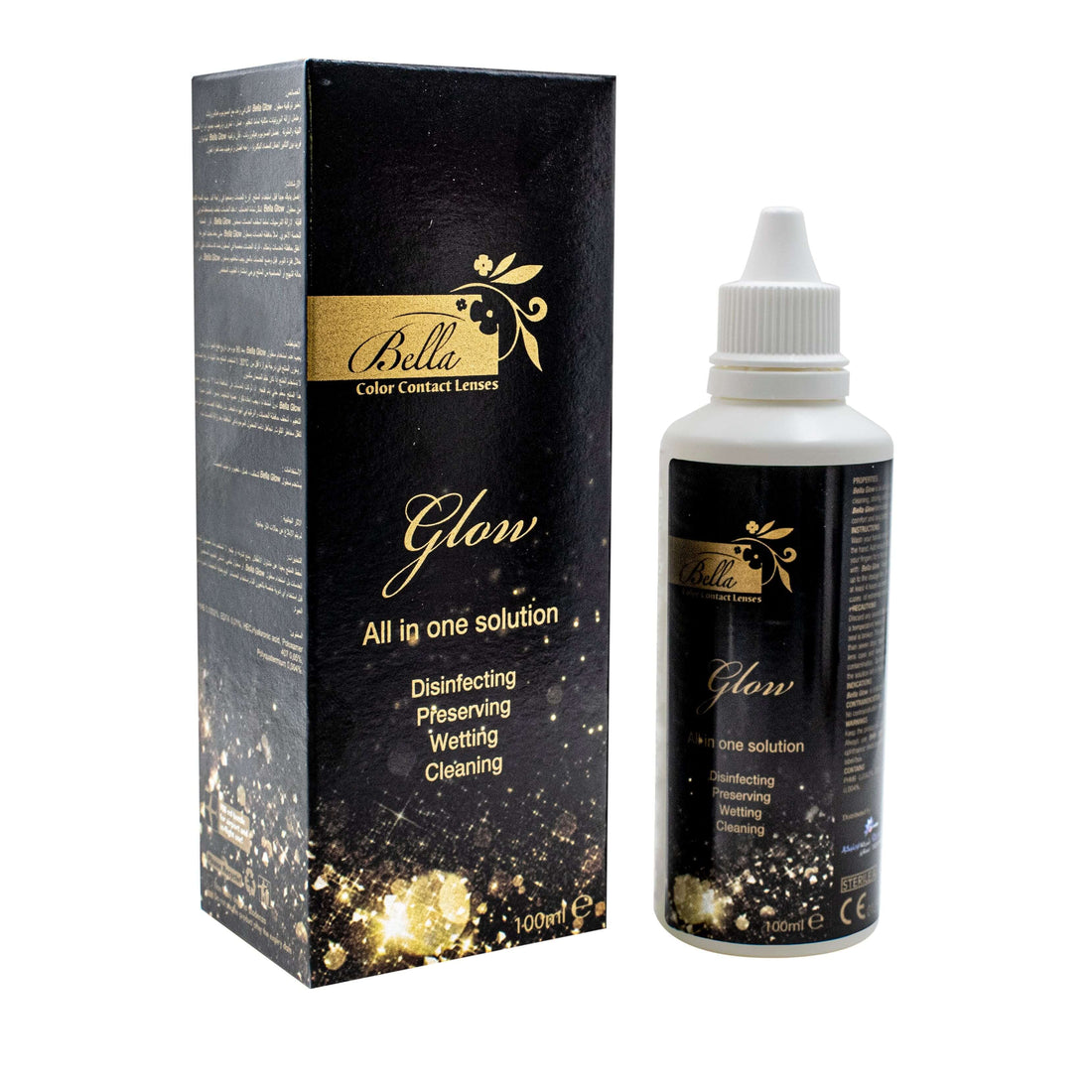
Using the recommended cleaning solution
-
Attending regular eye examinations
Modern contact lenses use advanced breathable materials that help reduce dryness and support corneal health. High-quality manufacturing standards also improve moisture retention and overall comfort.
Problems typically occur when users ignore hygiene recommendations or wear lenses longer than advised. Following professional guidance significantly reduces the risk of irritation or infection.
For beginners, regular checkups help ensure that lenses continue to fit properly as eyes and prescriptions change over time.
Read more: A Guide on Contact Lens Materials
4 Myths About How Contact Lenses Work
Despite the popularity of contact lenses, many misconceptions still discourage first-time users from trying them. Below are the most common misconceptions.
1. Contact Lenses Can Get Lost Behind the Eye
This is anatomically impossible. A thin membrane called the conjunctiva connects the eyelid to the eyeball, preventing the lens from moving behind the eye.
2. Coloured Lenses Are Only Cosmetic
Many coloured contact lenses are available with prescription correction. Modern coloured lenses combine visual enhancement with refractive support.
3. Contact Lenses Are Uncomfortable
Older lens technologies sometimes caused discomfort, but modern silicone hydrogel lenses are designed for breathability and moisture retention. Most users adjust quickly.
4. Contact Damage Your Eyes Permanently
When properly fitted and maintained, contact lenses are safe for long-term use. Problems usually result from poor hygiene or ignoring wear schedules rather than the lenses themselves.
Understanding the facts behind these myths helps new users feel more confident about trying contact lenses for the first time.

Choosing the Right Contact Lenses for Your Lifestyle
Lifestyle plays a major role in selecting the right contact lenses. Different wear habits, beauty preferences, and work environments influence which lenses provide the best experience.
Daily disposable lenses are ideal for convenience and hygiene because users replace them every day. Monthly lenses are often more cost-effective for regular wearers who consistently follow cleaning routines.
Coloured contact lenses appeal to users who want both vision correction and cosmetic enhancement. Prescription coloured lenses combine functional clarity with personal style, making them popular for social events, photography, and everyday beauty routines.
People who spend long hours on digital screens may benefit from moisture-retaining lenses that help combat dryness and eye fatigue.
Premium lenses today serve not only as vision correction tools but also as fashion accessories that enhance confidence and self-expression.
Learning how contact lenses work helps new users feel more comfortable and confident about wearing them. Contact lenses correct vision by refocusing light directly onto the retina while moving naturally with the eye, providing a wider, more natural visual experience.
Frequently Asked Questions
How long does it take to get used to contact lenses?
Most people adjust to soft contact lenses within a few days. Some users may need one to two weeks to feel fully comfortable.
Can contact lenses instantly improve blurry vision?
Yes. Once the lenses settle correctly on the eye, many users notice clearer vision almost immediately.
Do coloured contact lenses work the same way as regular lenses?
Yes. Prescription contact lenses correct vision the same way standard contact lenses do, while also enhancing eye colour.
Why do contact lenses sometimes feel dry?
Dryness may result from reduced blinking, dehydration, screen use, or low oxygen flow. Modern moisture-retaining lenses help significantly reduce dryness.
Can I wear contact lenses every day?
Yes, many lenses are designed for daily use. However, users should always follow professional recommendations and replacement schedules.