
Vision correction has become more advanced and accessible than ever before. Millions of people now choose between contact lenses and laser eye procedures to improve daily comfort, visual clarity, and convenience. As modern lifestyles become increasingly active and screen-focused, the debate around contact lenses vs laser eye surgery continues to grow.
Many consumers compare these options because each offers different benefits in flexibility, long-term costs, maintenance, and eye health. Some people prefer the non-permanent convenience of contact lenses, while others seek a more lasting surgical correction. The discussion around laser eye surgery vs contact lenses often depends on personal preferences, prescription stability, lifestyle demands, and comfort levels. Understanding how both options work can help individuals make a safer, more informed decision about long-term vision care.
What Are Contact Lenses?
Contact lenses are thin medical lenses worn directly on the eye to correct refractive errors such as myopia, hyperopia, and astigmatism. Soft contact lenses are the most common type because they offer flexibility and comfort for daily wear. Users can choose from daily disposable lenses, monthly reusable lenses, and speciality options such as toric or multifocal lenses.
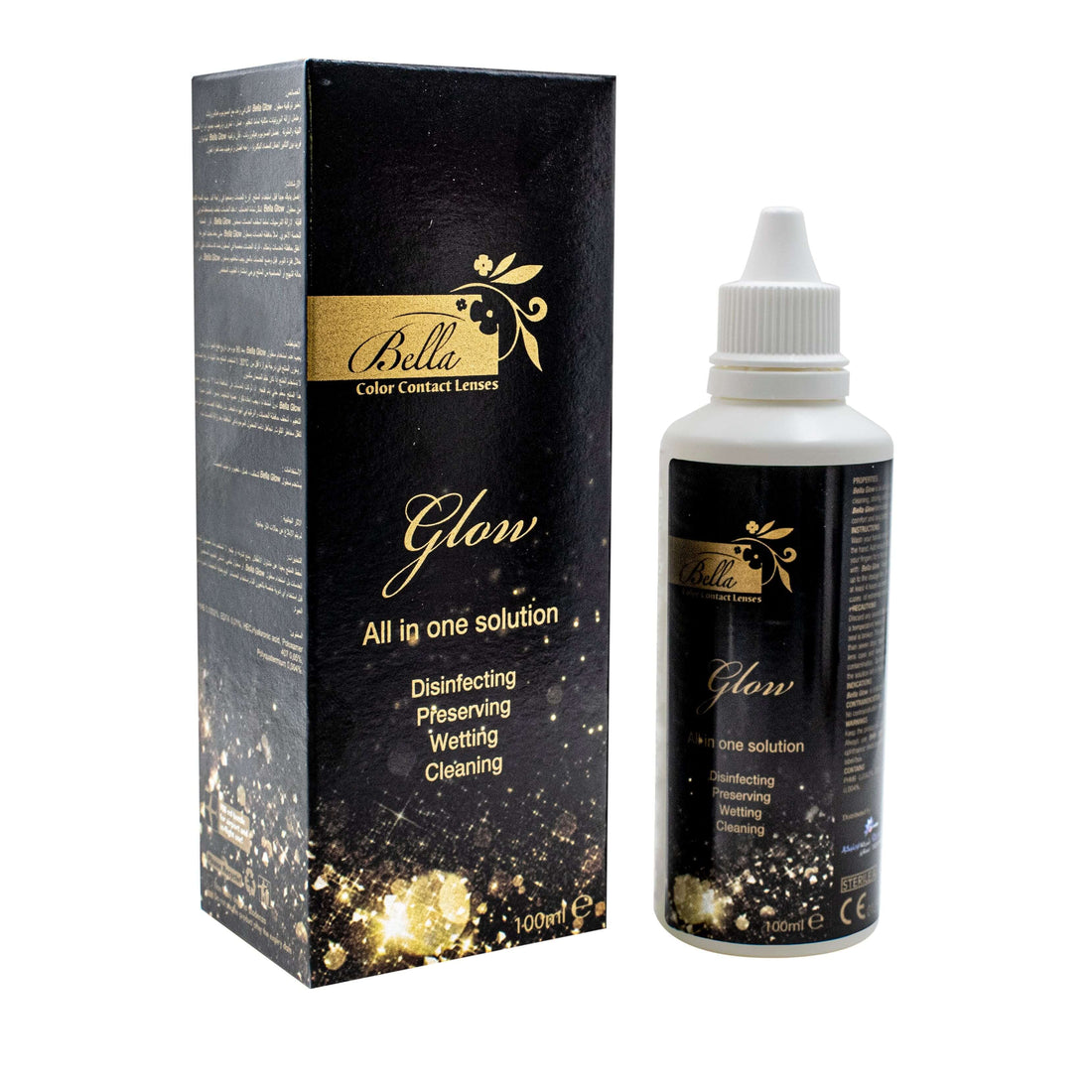
Prescription coloured lenses have also become increasingly popular because they combine vision correction with cosmetic enhancement. Brands like Bella Lenses offer prescription contact lenses that help users improve their eyesight while naturally enhancing their eye colour.
One major advantage of contact lenses is adaptability. Users can easily change prescriptions, pause usage, or switch lens styles without making permanent changes to their eyes.

What Is Laser Eye Surgery?
Laser eye surgery refers to procedures such as LASIK and PRK that permanently reshape the cornea to improve how light focuses on the retina. During LASIK surgery, surgeons create a thin corneal flap and use a laser to correct refractive errors. PRK works similarly but removes the outer corneal layer before reshaping.
The goal of laser surgery is to reduce dependence on glasses or contact lenses. Most procedures take less than 30 minutes, and many patients experience improved vision within days.
Contact Lenses vs Laser Eye Surgery: Key Differences
Both vision correction methods effectively improve eyesight, but they differ significantly in maintenance, permanence, flexibility, and long-term commitment.
Permanence of Vision Correction
Contact lenses provide temporary correction only while the lenses are worn. Users can remove them at any time and update their prescriptions as their vision changes.
Laser eye surgery permanently alters the cornea. Although results often last for many years, natural age-related vision changes can still occur later in life.
Daily Maintenance Requirements
Contact lens users must follow strict hygiene routines to reduce the risk of infection. This includes cleaning reusable lenses, replacing cases, and attending regular eye exams.
Laser surgery eliminates most daily maintenance after recovery, although patients still require follow-up monitoring and eye care.
Read more: How To Care Your Contact Lens For Eye Health and Lens Longevity
Upfront vs Long-Term Commitment
Contact lenses involve recurring expenses such as lens replacements, cleaning solutions, and annual exams. Costs accumulate gradually over time.
Laser surgery requires a significant upfront financial investment but may reduce long-term spending on corrective eyewear.
Flexibility and Reversibility
One major strength of contact lenses is flexibility. Users can easily switch brands, pause usage, or change prescriptions.
Laser surgery offers permanence, but reversibility is limited. Some patients may still need enhancement procedures or reading glasses later.
|
Feature |
Contact Lenses |
Laser Eye Surgery |
|
Vision Correction |
Temporary |
Long-term |
|
Maintenance |
Daily care required |
Minimal after recovery |
|
Flexibility |
Highly adaptable |
Limited reversibility |
|
Recovery Time |
Immediate use |
Days to weeks |
|
Upfront Cost |
Lower |
Higher |
|
Cosmetic Options |
Coloured lenses available |
No cosmetic effect |
Contact Lenses vs Laser Eye Surgery: Who Typically Chooses Each Option?
Contact lenses often appeal to younger users, individuals with changing prescriptions, and people who prefer non-surgical solutions. Cosmetic users also choose coloured lenses for aesthetic flexibility.
Laser eye surgery typically attracts adults with stable prescriptions who want long-term convenience and fewer daily maintenance requirements. Age, eye thickness, prescription severity, and overall eye health all influence surgical eligibility.

Pros and Cons of Contact Lenses
Contact lenses remain one of the most popular vision correction methods because they offer convenience, flexibility, and cosmetic customisation.
Advantages of Contact Lenses
-
Non-surgical solution. Contact lenses avoid surgical risks entirely. Many users feel more comfortable choosing a reversible option.
-
Easy prescription updates. Eye prescriptions can change over time. Contact lenses allow quick adjustments without permanent procedures.
-
Suitable for changing eye needs. Teenagers and younger adults often benefit from flexible correction while their vision stabilises.
-
Cosmetic enhancement. Prescription coloured lenses provide both vision correction and aesthetic enhancement. Premium collections from Bella Lenses combine comfort, a wide range of colours, and advanced lens materials for a natural appearance.
Modern coloured lenses now use advanced manufacturing technologies to enhance breathability and hydration for longer-wear comfort.
Potential Drawbacks
-
Daily care routine. Improper hygiene increases the risk of eye infections and irritation.
-
Dry eyes or discomfort. Extended screen exposure and air-conditioned environments may worsen dryness for some users.
-
Long-term replacement costs. Recurring purchases of lenses, solutions, and eye exams can become expensive over several years.
Despite these drawbacks, many people appreciate the freedom and customisation that contact lenses offer, especially when choosing premium prescription-coloured options.
Read more: How Old Do You Have to Be to Get Contacts Lenses?
Pros and Cons of Laser Eye Surgery
Laser eye surgery offers convenience and reduced dependence on corrective eyewear, but it also involves medical risks and permanent changes.
Benefits of Laser Eye Surgery
-
Reduced dependence on glasses or lenses. Many patients achieve excellent vision without daily corrective products.
-
Long-term convenience. After recovery, users often enjoy years of simplified vision correction.
-
Fast procedures. LASIK surgery usually takes less than 30 minutes, with a relatively quick recovery period.
For people with active lifestyles, laser surgery can remove the inconvenience of carrying lens solutions or spare lenses.
Possible Risks and Limitations
-
Surgical risks. Complications may include glare, halos, infection, or undercorrection.
-
Dry eye symptoms. Temporary or long-lasting dryness can occur after surgery.
-
Not everyone qualifies. Thin corneas, unstable prescriptions, or certain medical conditions may disqualify candidates.
-
Future vision changes. Ageing still affects eyesight. Some patients eventually require reading glasses or enhancement procedures.
Professional consultations remain essential before choosing surgery because individual eye anatomy strongly affects outcomes.

Cost Comparison: Contact Lenses vs Laser Eye Surgery
Financial considerations often influence the decision between these two vision correction methods.
Short-Term Costs of Contact Lenses
Contact lenses usually have lower initial costs. However, users must continuously purchase:
-
Replacement lenses
-
Cleaning solutions
-
Storage cases
-
Eye examinations
Premium prescription coloured lenses may cost more due to advanced materials and cosmetic features.
Upfront Costs of Laser Surgery
Laser eye surgery requires a substantial upfront payment. Costs vary depending on technology, surgeon experience, and clinic location. Some clinics offer financing plans to spread payments over time.
Additional follow-up visits and enhancement procedures may also increase overall costs.
Which Option Is More Cost-Effective Over Time?
The cheaper option depends heavily on usage habits and timeframe.
|
Expense Category |
Contact Lenses |
Laser Eye Surgery |
|
Initial Cost |
Lower |
Higher |
|
Ongoing Expenses |
Continuous |
Minimal |
|
Maintenance Products |
Required |
Not required |
|
Eye Exams |
Regular |
Regular |
|
Long-Term Cost Potential |
Higher over the decades |
Often lower long-term |
Someone who has worn lenses for decades may eventually spend more than the cost of surgery. However, users who value flexibility may still prefer non-permanent correction.
Comfort, Convenience, and Lifestyle Factors
Lifestyle plays a major role when comparing contact lenses and laser surgery.
Best Option for Active Lifestyles
Athletes and physically active individuals often prefer solutions that eliminate the need for glasses. Laser surgery offers convenience during sports and outdoor activities.
However, many athletes still choose contact lenses because they offer flexibility without the need for surgical recovery.
Read more: Athletes and Active People: Which Contact Lenses Work Best?
Travel and Daily Convenience
Contact lenses require packing solutions, cases, and replacements during travel. Daily disposable lenses reduce maintenance but increase recurring costs.
Laser surgery eliminates much of this inconvenience after recovery.
Screen Time and Dry Eyes
Heavy digital device use contributes to dry eye symptoms for both contact lens wearers and surgical patients.
Some individuals find removable contact lenses more comfortable because they can pause use during periods of irritation. Others appreciate the long-term convenience of surgery despite temporary dryness during recovery.
Comfort preferences remain highly personal and often vary based on environment, work habits, and eye sensitivity.

Safety and Eye Health Considerations
Long-term eye health should remain the highest priority, regardless of the choice of vision correction.
Are Contact Lenses Safe Long-Term?
Contact lenses are generally safe when users follow proper hygiene practices. FDA-approved materials and modern manufacturing standards have significantly improved lens safety.
However, sleeping in lenses improperly or failing to clean them properly increases the risk of infection.
Is Laser Eye Surgery Safe?
Laser eye surgery has high success rates when performed by qualified surgeons. Modern LASIK technology continues to improve precision and safety outcomes.
Still, every surgical procedure carries risks. Careful screening helps determine whether patients qualify safely.
Importance of Professional Eye Exams
Routine eye examinations remain essential for both options because eye health changes over time. Important safety practices include:
-
Following optometrist's guidance
-
Replacing lenses on schedule
-
Monitoring dry eye symptoms
-
Attending post-surgery follow-ups
-
Using approved lens materials
Long-term monitoring helps identify complications early and protects overall vision quality.

Who Should Choose Contact Lenses Instead of Surgery?
Contact lenses may be the better choice for individuals seeking flexibility, cosmetic enhancement, or non-surgical correction.
Ideal candidates include:
-
Younger users with changing prescriptions
-
Individuals are uncomfortable with surgery
-
Users wanting coloured or cosmetic enhancement
-
People needing flexible vision correction
-
Individuals with medical conditions that limit surgical eligibility
Premium prescription-coloured contact lenses offer an appealing option for users seeking both functional vision correction and natural-looking eye enhancement. The brand’s wide range of colours allows users to personalise their appearance while maintaining visual clarity and comfort.
For many people, the adaptability of contact lenses outweighs the permanence of surgical correction.
In Conclusion
There is no universal answer to the debate over contact lenses vs laser eye surgery. Both options offer effective vision correction, but the better choice depends on individual priorities, eye health, budget, and lifestyle preferences.
Contact lenses provide flexibility, reversibility, and cosmetic customisation, while laser surgery offers long-term convenience with reduced daily maintenance. Factors such as dry eye sensitivity, prescription stability, and comfort with surgery all influence the final decision.
A professional consultation with an eye care specialist is the safest way to determine the most suitable option. Whether someone chooses advanced surgical correction or premium coloured prescription lenses from Bella Lenses, either option can significantly improve visual clarity and quality of life.
FAQs About Contact Lenses vs Laser Eye Surgery
1. Are contact lenses safer than laser eye surgery?
Both options are generally safe when used correctly. Contact lenses require strict hygiene habits, while laser surgery involves surgical risks that qualified specialists carefully manage.
2. Can I wear contact lenses after laser eye surgery?
Yes. Some individuals may still use contact lenses after surgery if minor prescription changes occur later.
3. Which is cheaper in the long run: contacts or LASIK?
LASIK often becomes more cost-effective over many years, but contact lenses may remain cheaper in the short term, depending on usage habits.
4. Do coloured prescription lenses correct vision effectively?
Yes. Prescription-coloured lenses correct vision and enhance eye colour when properly fitted by an eye care professional.
5. Is laser eye surgery permanent?
Laser surgery permanently reshapes the cornea, but natural age-related vision changes may still occur over time.