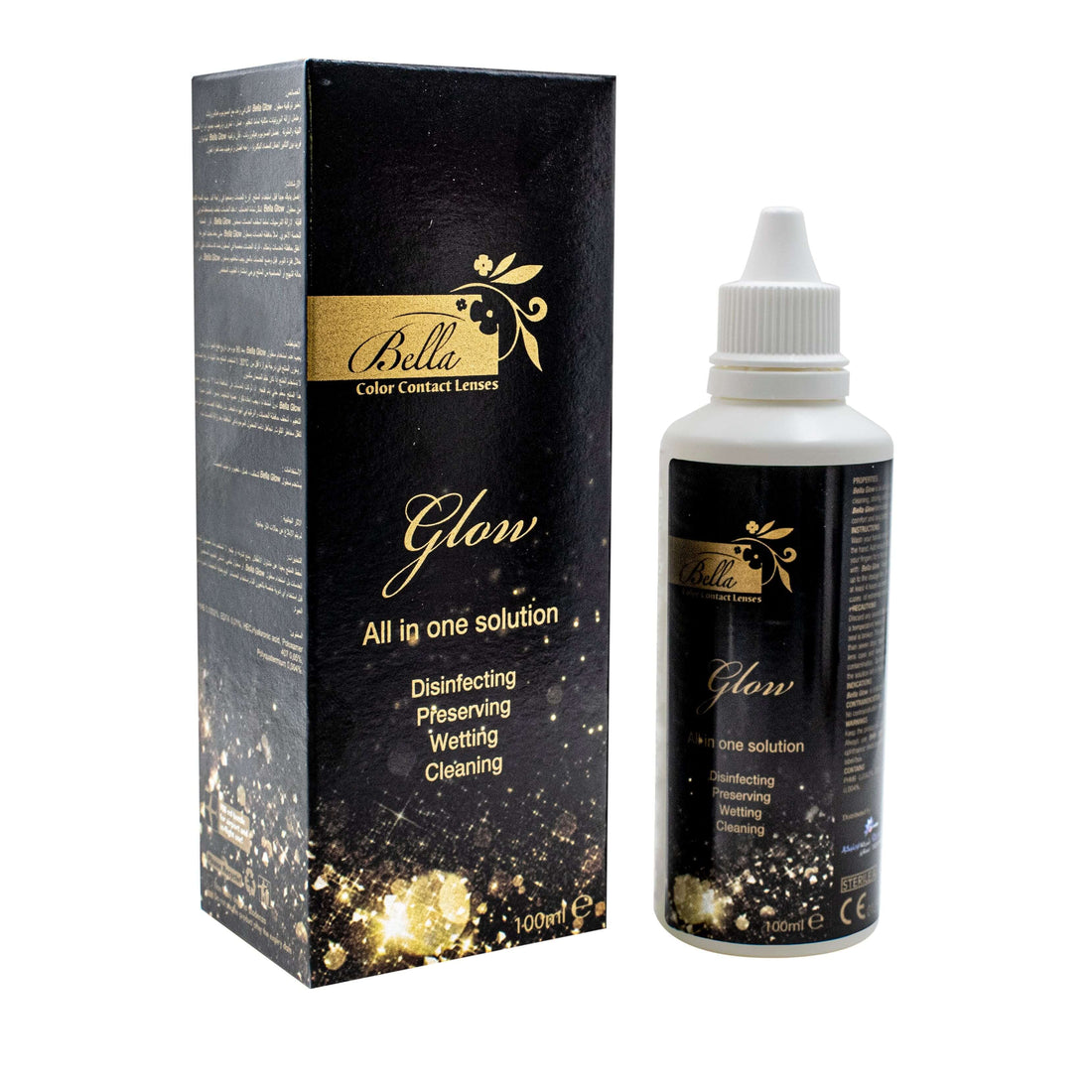

Yes, contact lenses can cause headaches. Common causes include incorrect prescription (eye strain), poor lens fit (pressure on cornea), dry eyes, digital eye strain, and for colored lenses, thicker materials. Immediate relief: remove lenses, rest eyes for 30 minutes, use lubricating drops, and take ibuprofen if needed. If headaches persist beyond 24 hours, consult a UK optometrist.
This comprehensive guide explains exactly why contact lenses cause headaches, provides immediate relief strategies you can use right now, and offers UK-specific solutions including when to see an optometrist and what it will cost. We've also included important considerations for colored contact lens wearers, as cosmetic lenses have unique factors that can trigger headaches.
Immediate Relief: What to Do Right Now
If you're experiencing a headache while wearing contact lenses, take these steps immediately:
5-Minute Emergency Relief Checklist
STEP 1: Remove your contact lenses immediately
Wash hands thoroughly first. Remove lenses carefully using proper technique. Store in fresh solution don't throw away yet, as your optometrist may want to examine them. Switch to glasses if available.
STEP 2: Rest your eyes for 30 minutes minimum
Close your eyes or sit in dim lighting. Avoid all screens (phone, computer, TV). Lie down if possible to reduce tension. Apply a cool compress to closed eyelids for 5-10 minutes.
STEP 3: Use preservative-free lubricating drops
Even with lenses out, lubricate dry eyes. Use every 15-20 minutes for the first hour. Available at UK pharmacies: Systane, Blink, Hycosan (£6-10).
STEP 4: Take over-the-counter pain relief
Take ibuprofen 400mg (with food) OR paracetamol 500-1000mg. Avoid aspirin, which can worsen symptoms if the issue is eye-related.
STEP 5: Hydrate and rest
Drink 500ml water immediately. Eye strain dehydrates your system. Avoid caffeine, which can worsen tension headaches.
For emergencies, call NHS 111 or visit A&E if you experience severe symptoms.
>>> See more: Why Is My Contact Lens Blurry? Common Causes Fixes

Why Do Contact Lenses Cause Headaches?
Understanding the root cause helps you prevent future headaches. Here are the main culprits:
Incorrect Prescription (Most Common)
Your contact lens prescription is too strong, too weak, or outdated. Your eyes constantly strain to focus correctly, overworking the ciliary muscles the muscles that change your lens shape for focusing.
-
Blurred vision that doesn't improve with blinking
-
Need to squint frequently
-
Eye fatigue after 2-3 hours of wear
-
Difficulty reading or focusing on screens
Why it causes headaches: Prolonged muscle tension around the eyes refers pain to the forehead, temples, and back of head. This is called a tension-type headache.
Poor Lens Fit
Contact lenses that are too tight, too loose, or have the wrong base curve create uneven pressure on your cornea.
How fit affects you:
-
Too tight: Restricts oxygen to cornea, causes pressure sensation and eye fatigue
-
Too loose: Lens moves excessively, causes friction and unstable vision
-
Wrong base curve: Doesn't match corneal curvature, resulting in uncomfortable fit
Symptoms:
-
Lenses feel uncomfortable or you're constantly "aware" of them
-
Vision fluctuates as you blink
-
Red indentation marks on eye after removing lenses
-
Lenses fall out or move when you blink
Base curve importance: Base curve (BC) typically ranges from 8.3mm to 9.0mm. Even a 0.2mm difference significantly affects fit. This is especially relevant for colored contact lenses, which may have limited BC options.
Research evidence: A 2016 study published in Journal of Neurology documented two migraine patients whose headache frequency dramatically increased after switching to lenses with different base curves. Symptoms resolved when they returned to properly fitted lenses.
>>> See more: What Are Multifocal Contact Lenses? A Complete Guide to Clear Vision a

Dry Eye Syndrome
Contact lenses reduce tear film stability. When eyes become too dry, the surface becomes irregular, causing light to scatter incorrectly. Your eyes work harder to focus, triggering headaches.
-
Lenses absorb tears from your eye surface
-
Reduce blink quality (incomplete blinks are common with contacts)
-
Block oxygen transmission, especially with older lens materials
Symptoms of dry eye:
-
Gritty, sandy sensation
-
Burning or stinging
-
Paradoxical excessive tearing (eye over-compensates)
-
Vision improves briefly after blinking
-
Worse in air-conditioned environments or after screen time
Dry eye affects approximately 1 in 4 UK adults, and prevalence is significantly higher among contact lens wearers estimates suggest 50%+ of regular wearers experience some degree of dryness.
Solutions:
Preservative-free lubricating drops (use 3-4 times daily proactively)
Switch to daily disposable lenses (fresher, more hydrating)
Consider high-water-content lenses (58%+ water content)
Take "lens holidays" wear glasses 1-2 days per week

Digital Eye Strain (Computer Vision Syndrome)
Staring at screens while wearing contacts creates a perfect storm for headaches. You blink less frequently (normal: 15-20 blinks/minute, screens: 5-7 blinks/minute), eyes dry out, contacts tighten, and strain increases.
-
Headaches develop after 2-3 hours of screen work
-
Blurred vision when looking away from screen
-
Difficulty refocusing between distances
-
Neck and shoulder tension
20-20-20 Rule (Essential for contact wearers): Every 20 minutes, look at something 20 feet away for 20 seconds. This relaxes accommodation muscles and prompts blinking.
Astigmatism and Toric Lenses
Astigmatism (irregular corneal curvature) requires toric contact lenses. These lenses have orientation marks and must sit in a specific position to correct vision properly. If they rotate even slightly, vision blurs and eyes strain to compensate.
-
Intermittent blurred vision
-
Headaches after 3-4 hours of wear
-
Vision "jumps" or shifts
-
Worse when reading or doing close work
Solutions:
-
Ensure proper toric lens fitting (requires more precise measurements than standard lenses)
-
Some patients need to try 2-3 different toric lens brands to find a stable fit
-
Consider glasses for reading or close work if toric contacts remain unstable
-
Daily disposable torics are often more stable than monthlies
Presbyopia (Age-Related Focusing Difficulty)
Starting around age 40, the eye's lens loses flexibility. You can't focus on close objects easily. If you've worn single-vision contact lenses for years, you suddenly need reading correction too.
Symptoms:
-
Headaches when reading or using phone
-
Need to hold reading material at arm's length
-
Tired eyes by end of day
-
Worse in dim lighting
Solutions:
-
Reading glasses over contact lenses (simple, affordable)
-
Multifocal contact lenses (correct both distance and near)
-
Monovision (one eye for distance, one for near takes adaptation)
>>> See more: How Yo Tell If Contact Lens Is Inside Out

Colored Contact Lenses: Unique Considerations
Thicker material: Colored lenses have a pigment layer, making them slightly thicker than clear lenses. This can reduce oxygen transmission (even in modern silicone hydrogel), feel less comfortable especially after several hours, and cause more awareness of lenses, leading to squinting.
Limited base curve options: Fashion colored lenses often come in only 1-2 base curves (typically 8.6mm). If this doesn't match your eye's natural curvature, fit problems and headaches follow.
Lower water content in some brands: Cheaper colored lenses may have lower water content (38-42%) versus premium clear lenses (55-60%+), contributing to dryness.
Pigment layer positioning: In low-quality lenses, pigment may not be properly sandwiched, causing an irregular lens surface.
UK regulations: All colored lenses (even plano/non-prescription) are classified as medical devices. Only buy from MHRA-registered suppliers. Costume shop lenses are illegal and dangerous.
Safe colored lens practices:
-
Only buy from registered UK opticians (Specsavers, Vision Express, BellaLense with verified prescription)
-
Ensure proper fitting (don't skip this step)
-
Choose daily disposable colored lenses when possible (fresher, more comfortable)
-
Limit wear to 8 hours maximum initially
-
Use rewetting drops proactively
How to Prevent Contact Lens Headaches
Prevention is always better than treatment. Follow these strategies:
Maintain Strict Hygiene: Use fresh solution daily, replace cases every few months, and strictly avoid tap water to prevent protein buildup and dangerous infections that can lead to significant eye irritation.
Respect Wearing Schedules: Adhere to daily or monthly limits and incorporate regular lens-free days to ensure your corneas receive enough oxygen, preventing chronic hypoxia and long-term discomfort from overwearing your contacts.
Prioritize Total Hydration: Support tear film quality through systemic hydration and Omega-3 intake while proactively using preservative-free drops to combat dryness, especially in air-conditioned or heated environments that dehydrate the eyes.
Update Prescriptions Regularly: Schedule frequent eye exams to account for natural aging or hormonal shifts, as an outdated prescription often causes squinting, headaches, and blurred vision during demanding tasks or nighttime driving.
Optimize Your Workspace: Improve your environment by positioning monitors below eye level and redirecting airflow from fans to minimize surface evaporation and eye strain during long hours of focused computer use.

When to See an Optometrist
Not all contact lens headaches require professional care, but some situations demand it.
When to Seek Professional Consultation
Urgent Optometry Consults: Visit an optometrist within forty-eight hours if headaches persist after removing lenses or if you experience redness, light sensitivity, or vision changes following a new prescription or brand. (29 words)
Professional Clinical Assessments: Access emergency appointments at UK high street chains to evaluate prescription accuracy, lens fit, and corneal health, ensuring that your eyes are properly coordinated and your tear film is healthy. (30 words)
Recognising Medical Emergencies
Critical Red Flag Symptoms: Immediately visit A&E for sudden "thunderclap" headaches, fever combined with a stiff neck, or confusion, as these severe symptoms suggest life-threatening conditions like meningitis or stroke rather than lens-related issues. (30 words)
Immediate Vision Concerns: Seek emergency medical attention if you experience sudden vision loss in one or both eyes or a severe headache following a head injury to prevent permanent neurological or ocular damage. (30 words)
In the UK, many high street opticians offer same-day emergency slots, so don't hesitate to call if things feel "off." It's always better to be told your eyes are fine than to ignore a brewing infection.
>>> See more: How to Select Your Contact Lens Material Based on Prescription?

Alternative Solutions and Long-Term Options
If contact lens headaches persist despite trying the solutions above:
Switching Lens Types: Switching from monthly to daily disposables reduces protein buildup and preservative reactions, leading to improved comfort and headache prevention despite a slightly higher monthly cost in the UK.
Specialized Lens Materials: Specialty lenses like high-Dk silicone hydrogel or scleral options provide superior oxygen transmission and hydration for severe dry eyes, though they require a specialist fitting for optimal results.
The Hybrid Lifestyle: Adopting a hybrid approach by wearing contacts for sports and glasses for work helps reduce total wearing hours, preventing over-wearing headaches while allowing your eyes to recover daily.
Surgical Vision Correction: LASIK surgery permanently reshapes the cornea to correct vision, offering a long-term solution for chronic contact lens headache sufferers who meet specific age and health eligibility requirements in the UK.
It’s worth noting that while daily disposables are a bit more of an investment, the "fresh lens" feeling is hard to beat if you’re prone to allergies or irritation.
Conclusion
Contact lens headaches are common and frustrating, but almost always preventable or treatable. The vast majority stem from incorrect prescriptions, poor fit, or dry eyes all easily addressed with proper optometric care.
If you're experiencing headaches with your contact lenses, don't ignore them or rely on painkillers. Remove your lenses, rest your eyes, and book an appointment with a UK optometrist for proper assessment. Most issues can be resolved with prescription updates, better-fitting lenses, or improved wearing habits.
For colored contact lens wearers, remember that cosmetic lenses require the same careful fitting as clear lenses. Only purchase from MHRA-registered UK suppliers, ensure proper base curve fit, and don't sacrifice comfort for fashion.
Your eyes deserve comfort. Persistent headaches are your body's way of saying something isn't right listen to that signal and take action.
Experiencing contact lens headaches? Explore BellaLense's range of MHRA-approved prescription colored contact lenses designed for comfort and safety. Always ensure proper fitting with a UK registered optometrist before purchase.
Medical Disclaimer: This article provides general information about contact lens-related headaches and should not replace professional medical advice. If you experience persistent or severe headaches, vision changes, or eye pain, consult a qualified UK optometrist or physician immediately.