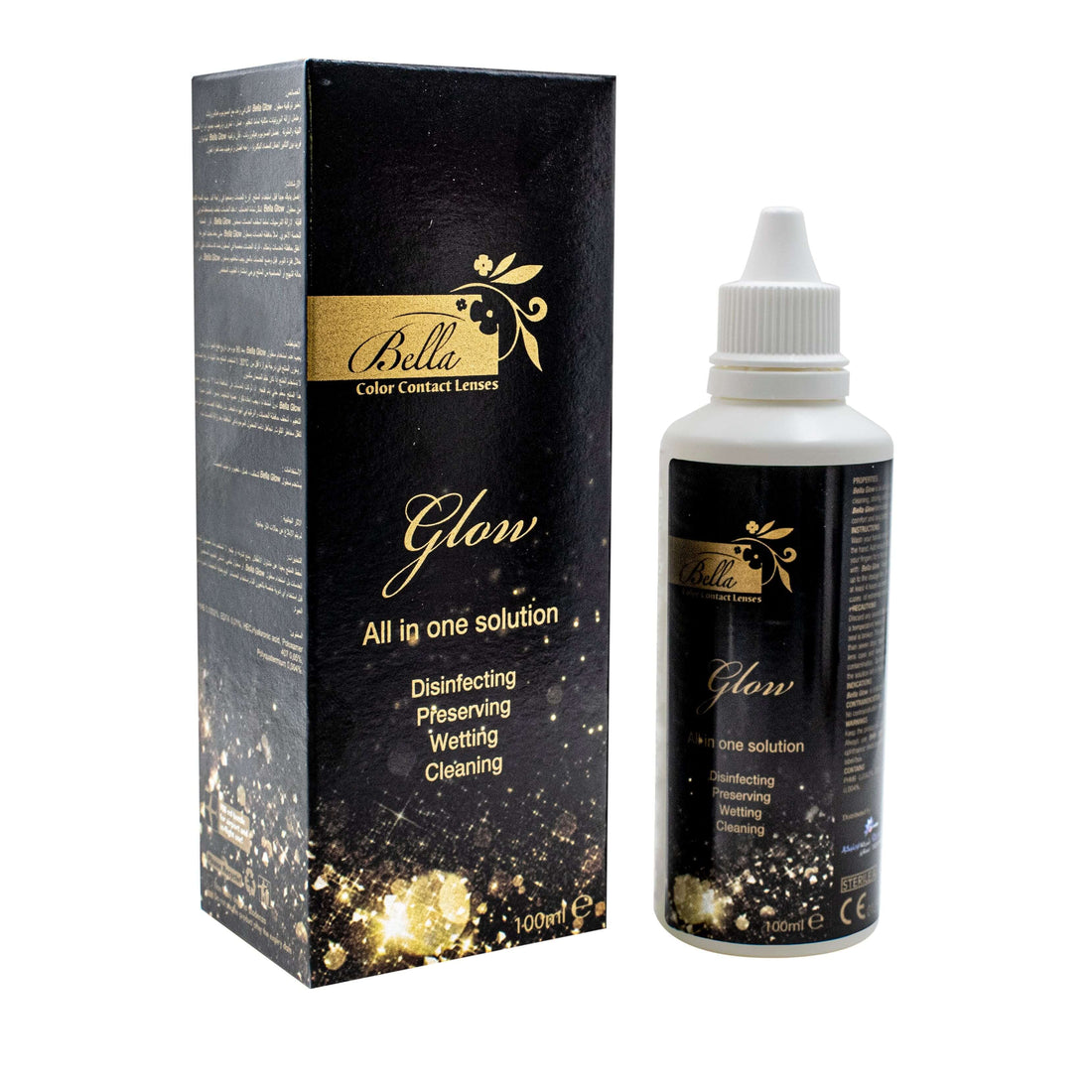

Contact lens solution plays a critical role in keeping your lenses clean, comfortable, and safe to wear. Many contact lens users ask what is contact lens solution, what exactly it does, and whether all solutions are interchangeable. The truth is that using the wrong product, or using it incorrectly can significantly increase the risk of eye irritation and infection.
This guide explains what contact lens solution is, the different types available, and how to choose and use the right product to protect your eye health.
What Is Contact Lens Solution?
Contact lens solution is a specially formulated liquid designed to clean, disinfect, rinse, and store contact lenses safely. Unlike water or basic saline, it contains active ingredients that remove protein deposits, lipids, debris, and kill harmful microorganisms that accumulate on lenses during wear.
At its core, this essential lens care product serves three primary functions:
-
Maintaining lens hygiene: Removes daily buildup of proteins, oils, and environmental contaminants
-
Protecting eye health: Disinfects lenses by eliminating bacteria, fungi, and other pathogens
-
Preserving lens comfort and clarity: Conditions lenses to remain moist, flexible, and optically clear
For contact lens wearers, using an appropriate cleaning and disinfecting solution is not optional, it is a fundamental part of safe lens care. Understanding what is contact lens solution and choosing the right type ensures your lenses remain safe, comfortable, and provide clear vision.

Why Contact Lens Solution Is Essential
Proper lens care products are critical for preventing infections, maintaining lens integrity, and ensuring comfortable daily wear. Skipping or substituting these products with water or other liquids creates serious health risks.
-
Prevents eye infections: Disinfects lenses by killing bacteria, fungi, and microorganisms that cause keratitis and corneal ulcers
-
Removes harmful deposits: Breaks down protein, lipid, and debris buildup that accumulates from tears and environmental exposure
-
Maintains lens quality: Preserves lens flexibility, moisture content, and optical clarity for comfortable vision
-
Conditions lens surface : Creates a smooth, wettable surface that feels comfortable on the eye throughout the day
.>>> See more: Best Bella Contact Lenses for Dry Eyes
Contact Lens Solution vs Plain Saline
Many people mistakenly believe that saline can replace proper lens care products, but these serve fundamentally different purposes and are not interchangeable.
-
Disinfection capability: Contact lens solution contains antimicrobial agents that kill bacteria and pathogens; saline only rinses without disinfecting
-
Cleaning action: Proper solutions break down protein and lipid deposits; saline simply washes away loose debris
-
Intended use: Lens care products clean, disinfect, and store lenses; saline is only for rinsing after peroxide systems or as a final rinse
-
Active ingredients: Professional formulations include preservatives, surfactants, and disinfectants; saline contains only sterile salt water

Using plain saline to store or clean lenses leaves them contaminated with microorganisms, significantly increasing infection risk. Saline does not remove protein buildup or kill bacteria that accumulate during wear.
If you use hydrogen peroxide-based systems, saline can rinse lenses after neutralization, but never as a standalone cleaning solution. Always use proper multipurpose solutions or designated cleaning systems to maintain lens safety and eye health.
What Does Contact Lens Solution Do?
High-quality lens care products perform several critical tasks that protect both the lens and the eye.
Cleaning Lenses of Dirt and Protein Deposits: During wear, lenses accumulate microscopic debris that can cloud vision and irritate the eye. Professional cleaning solutions help loosen and remove these deposits through gentle rubbing and rinsing.
Disinfecting Bacteria and Microorganisms: One of the most important functions is disinfection. Proper solutions kill bacteria, fungi, and other microorganisms that could otherwise cause serious eye infections.

Keeping Lenses Moist and Comfortable: Many formulations include wetting agents that help maintain hydration. This is especially important for people who experience dryness or discomfort while wearing lenses.
Preserving Lens Shape and Clarity: Contact lenses are designed to hold a specific shape. Using the correct product helps maintain lens integrity, ensuring consistent vision and comfort.
>>> See more: Can you put contact solution in your eyes with contacts?
Types of Contact Lens Solution
Not all lens care products are the same. Choosing the correct type depends on your lens material, wearing schedule, and eye sensitivity.
Multi-Purpose Contact Lens Solution
Multi-purpose solutions are the most commonly used products, particularly for soft lenses. These all-in-one formulations simplify lens care by combining multiple functions into a single bottle. They are designed to:
-
Clean lenses - Remove daily protein, lipid, and debris buildup
-
Rinse lenses - Wash away loosened contaminants and residue
-
Disinfect lenses - Kill bacteria, fungi, and microorganisms during storage
-
Store lenses - Keep lenses safely submerged overnight in sterile conditions
Best for: Most soft contact lens users who want a simple, convenient all-in-one product for daily lens care.
Multi-purpose formulations work well for most wearers, offering simple, effective care. Those with sensitive eyes may need preservative-free alternatives.

Hydrogen Peroxide Contact Lens Solution
Hydrogen peroxide systems are powerful, preservative-free cleaning and disinfection options that use 3% hydrogen peroxide to deep-clean contact lenses. Unlike multi-purpose formulations, they require a neutralization process before lenses can be worn.
Primary functions of hydrogen peroxide systems:
-
Deep disinfection - Kills 99.9% of bacteria, fungi, viruses, and microorganisms more effectively than multi-purpose options
-
Protein removal - Breaks down stubborn protein deposits and biofilm that accumulate on lens surfaces
-
Preservative-free cleaning - Eliminates chemical preservatives that cause irritation in sensitive eyes
-
Thorough sanitization - Provides hospital-grade disinfection for maximum lens hygiene
Best applications for hydrogen peroxide systems:
-
Sensitive eye care - Ideal for users with allergies or sensitivities to preservatives in standard formulations
-
Heavy protein buildup - Perfect for people whose tears produce excessive protein deposits on lenses
-
Extended wear lenses - Deep cleaning for monthly or bi-weekly lenses requiring thorough disinfection
-
Post-eye irritation - Recommended when switching from multi-purpose options causing redness or discomfort
Hydrogen peroxide systems must be used with special neutralizing cases containing catalytic discs that convert peroxide to harmless saline over 6+ hours, making lenses safe to wear.
>>> See more: Can you put your contacts in water?

Saline Solution
Saline is a sterile mixture of salt and water (typically 0.9% sodium chloride) that matches the natural salt concentration of tears. While often confused with contact lens solution, saline serves a limited rinsing function and cannot replace comprehensive lens care products.
Primary functions of saline:
-
Rinsing only - Washes away loose debris and residual cleaning solution from lens surfaces
-
Final rinse step - Used after hydrogen peroxide neutralization or enzymatic cleaning
-
Lens hydration - Briefly moistens lenses before insertion
-
Emergency rinse - Removes visible particles in urgent situations
-
Important limitation: Saline does NOT disinfect, clean protein buildup, or kill bacteria. It is not a substitute for proper lens care products.

How to Choose the Right Contact Lens Solution
Choosing the right eye contact lens solution depends on several factors related to your lenses and eye health:
Lens Type: Different lenses require different care. Soft lenses, silicone hydrogel lenses, and specialty lenses may have specific product requirements.
Sensitive Eyes or Allergies: If you experience burning, redness, or dryness, preservative-free or hydrogen peroxide-based options may be better.
Daily Wear vs Extended Wear: People who wear lenses for long hours may benefit from formulations with enhanced moisturizing properties.
Optometrist Recommendations: Your eye care professional can recommend a product based on your prescription, eye condition, and wearing habits. Following this advice is the safest approach.
>>> See more: Types of Contact Lenses: A Complete Guide to Finding Your Perfect Fit
How to Use Contact Lens Solution Correctly
Proper use of lens care products is essential for maintaining lens hygiene and preventing eye infections. Following the correct technique ensures your cleaning and disinfecting solutions work effectively.
Step 1: Wash Your Hands Thoroughly
Wash hands with soap and water, then dry with a lint-free towel before handling lenses or solution.
Step 2: Remove the Lens Gently
Remove one lens and place it in the palm of your clean hand.
Step 3: Apply Solution Generously Pour
Fresh product directly onto the lens surface, never reuse old solution from the case.
Step 4: Rub and Rinse Gently
Rub the lens in a circular motion for 10-20 seconds using your fingertip, even if using "no-rub" formulations. Rinse thoroughly with fresh solution.
Step 5: Store in Fresh Solution Place
The cleaned lens in your case filled with fresh product. Repeat for the other lens.
Step 6: Soak Overnight Allow
Lenses to soak for the minimum time specified on your solution bottle (typically 4-6 hours) for proper disinfection.
>>> See more: Can you use eye drops with contacts?

Important Usage Guidelines
Proper handling and storage practices are critical for preventing contamination and maintaining effective disinfection.
Essential Practices for Lens Care
Understanding proper use requires following strict hygiene protocols. Never top off old solution always empty and refill cases with completely fresh product each time. Replace solution daily and never reuse previously stored liquid, as this allows bacteria to multiply. Follow manufacturer instructions carefully, as different formulations have specific contact times required for effective disinfection.
Don't mix different brands or formulas in the same case, and always check expiration dates since expired products lose disinfecting power.
Lens Case Maintenance
Proper lens case care is equally important as using the right cleaning products. Rinse your case thoroughly with fresh solution after each use—never use tap water, which contains dangerous microorganisms like Acanthamoeba. Air-dry the case upside down with caps removed to prevent moisture buildup that encourages bacterial growth.
Replace lens cases every three months minimum, though monthly replacement provides optimal hygiene and reduces contamination risk significantly.
>>> See more: How To Store Contacts Without Case And Solution
Common Mistakes When Using Contact Lens Solution
Even experienced contact lens wearers sometimes make critical errors that compromise eye safety and lens effectiveness.
Frequent Usage Errors
Many people misunderstand proper lens care practices. Topping off old solution instead of replacing it completely allows bacteria accumulation. Using tap water to rinse lenses or cases introduces dangerous microorganisms like Acanthamoeba.
Reusing solution from previous storage eliminates its disinfecting ability. Skipping the rubbing step fails to remove protein deposits and biofilm effectively.
Storage and Handling Mistakes
Improper storage creates serious risks. Insufficient soaking time prevents complete disinfection, most formulations require 4-6 hours minimum. Mixing different brands reduces effectiveness or causes chemical reactions.
Using expired products means diminished disinfecting power and potential contamination. Failing to replace lens cases every three months allows biofilm buildup that no amount of cleaning can eliminate.
Impact of These Mistakes
Understanding correct usage prevents devastating consequences. These errors significantly increase infection risk, corneal ulcers, and vision-threatening complications.
Contaminated lenses from improper care can cause microbial keratitis requiring aggressive treatment and potentially permanent vision loss. Proper protocols are essential for protecting your eye health and maintaining safe lens wear.

Signs Your Contact Lens Solution Is Not Suitable
Not all lens care products work well for everyone. Recognizing incompatibility signs helps you switch to more appropriate options before serious problems develop.
Physical Discomfort Indicators
Persistent stinging or burning upon lens insertion suggests sensitivity to preservatives in your current product. Excessive redness, increased dryness, itching, or unusual discharge signals potential allergic reactions to ingredients.
Vision and Lens Quality Issues
Consistently blurry vision after cleaning suggests your current product provides inadequate debris removal. Lenses feeling uncomfortable or "gritty" indicate insufficient lubrication.
Frequent coating or clouding means your solution isn't effectively breaking down protein deposits.
When to Switch Solutions?
If you experience these signs, consult your eye care professional about alternative options. Hydrogen peroxide systems work better for sensitive eyes. Preservative-free formulations eliminate allergic reactions. Understanding product compatibility ensures comfortable wear and optimal eye health.
Contact lens solution is a vital part of safe and comfortable contact lens wear. Understanding what is contact lens solution, how it works, and how to use it correctly helps protect your eyes from irritation and infection. By choosing the right eye contact lens solution for your lenses and following proper hygiene practices, you can maintain clear vision, comfort, and long-term eye health.