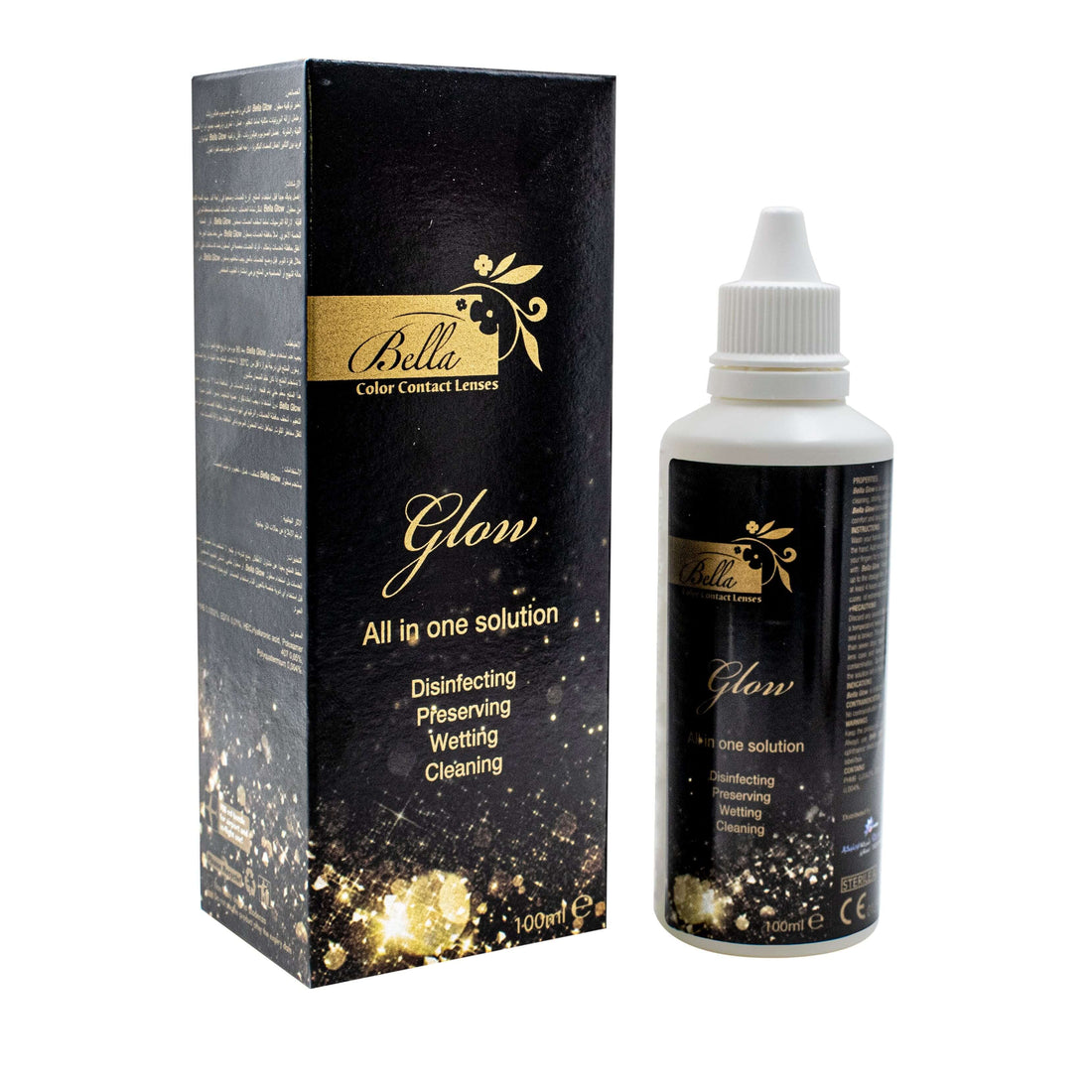

If your contact lens has broken or split in your eye, do not rub your eye or attempt to remove pieces with tweezers. Wash your hands immediately, apply lubricating drops, blink gently to move fragments to the outer corner, then carefully lift your eyelid and remove each piece. If you cannot remove all fragments or experience pain and blurred vision, call NHS 111 or visit your optician urgently.
EMERGENCY: DO NOT Do These Things
Before anything else, avoid these critical mistakes:
-
Do not rub your eye this pushes fragments deeper or scratches your cornea.
-
Never use tweezers, cotton buds, or any objects to remove pieces.
-
Don't rinse with tap water use sterile saline only.
-
Don't try continuing to wear the broken lens, and avoid using your fingernails.
-
Most importantly, don't panic and pull aggressively at your eyelid.
Take a breath. While frightening, broken contact lenses are manageable in most cases when you follow proper removal steps immediately.
Step-by-Step: How to Remove a Broken Contact Lens from Your Eye
What You Need Before You Start
Gather these items: sterile saline solution or lubricating eye drops (preservative-free), a clean mirror with good lighting, freshly washed hands, clean tissue, your glasses, and an empty lens case to collect fragments.
The 7-Step Removal Process
STEP 1: Wash Your Hands Thoroughly (30 seconds minimum)
Use antibacterial soap and warm water. Dry completely with a lint-free towel. Any bacteria on your hands can cause infection, especially if your cornea has been scratched.
STEP 2: Apply Lubricating Drops Generously
Tilt your head back and apply 3-4 drops of lubricating solution into the affected eye. This hydrates dry lens fragments, creates a slippery surface for easier removal, and helps flush particles toward the outer corners. Wait 30-60 seconds before proceeding.
STEP 3: Blink Gently and Naturally
With your eye well-lubricated, blink gently 10-15 times. Natural blinking often moves fragments toward the corners where they're easier to access. Don't squeeze your eyes tightly this traps fragments under your eyelids.
STEP 4: Look in Different Directions to Locate Fragments
Stand before a mirror with good lighting. Look up, down, left, and right while gently pulling your lower eyelid down and upper eyelid up. Look for the main lens piece, smaller fragments (tiny transparent or cloudy pieces), and thin edge pieces.
Fragments typically collect in the lower inner corner near your nose, under the upper eyelid, or in the lower outer corner.
STEP 5: Remove Visible Fragments Carefully
For pieces in the lower eyelid area, pull your lower lid down gently, look up, and use your index finger pad to gently slide the fragment down and off the eye. Never use your fingernail.
For pieces under the upper eyelid, look down, place your finger on your upper eyelid, and gently massage in small circles. If this doesn't work, try pulling your upper eyelid over your lower eyelid to dislodge trapped fragments.
STEP 6: Rinse After Each Removal
After removing each fragment, rinse your eye again with sterile saline or lubricating drops. This flushes out tiny particles you might have missed.
STEP 7: Final Check
Look in the mirror carefully, checking all eye areas. Blink naturally does it feel normal? Gently move your eye in all directions. If everything feels clear and you see no remaining fragments, you've successfully removed the broken lens.
What If the Lens Has Split in Half?
When a lens splits into two large pieces, larger pieces are easier to see and locate, you can count both halves, but sharp edges can scratch more easily. Identify which half is more accessible and remove that first. After removing the first half, apply more drops before searching for the second. If you only find one half, check your face and clothing the other may have fallen out.
What If You Cannot Find All the Pieces?
If you still feel something in your eye, don't assume a missing piece has "fallen out." The fragment may be tucked under your upper eyelid, very small and transparent, or stuck to your cornea.
Apply more lubricating drops generously. Try the "eyelid flip" technique: look down, place a cotton swab against your upper eyelid, and gently flip the eyelid over to expose the inner surface. If you cannot locate or remove it within 20-30 minutes, stop trying and seek professional help. Call NHS 111 or visit an optician for a same-day appointment.
>>> See more: What to Do If Your Contact Lens Gets Lost in Your Eye
Rigid Gas Permeable (RGP / Hard) Lens Broke in Eye Different Steps Apply
RGP lenses are made from firmer materials. If an RGP lens breaks, fragments have sharp, rigid edges with more risk of corneal scratch. They don't conform to your eye shape and can "dig in" aggressively. Professional removal is strongly recommended.
Do not attempt to remove RGP fragments yourself unless they're obviously sitting on the white part of your eye. Apply sterile saline drops (not lubricating drops). If the fragment is on your cornea or under your eyelid, stop immediately and seek professional help. RGP fragments on the cornea can cause serious scratches. Contact your optician for an emergency appointment or go to an eye casualty unit. Optometrists have specialized tools and topical anesthetics that make RGP removal much safer.
Can a Broken Contact Lens Get Lost Inside Your Eye?
The reassuring truth: this is anatomically impossible. Your eyeball sits in a bony socket and is connected by a thin membrane called the conjunctiva, which forms a sealed pocket around your eye. There is no opening for a lens to go "behind" your eye. The furthest a fragment can travel is under your eyelid still in front of your eyeball.
In decades of optometry practice globally, there has never been a documented case of a lens fragment penetrating behind the eyeball.
If you cannot find a fragment, it's under your upper eyelid (most common), in the lower fornix where your lower eyelid meets your eyeball, at the inner corner near your tear duct, stuck temporarily to your cornea if your eye is dry, or it may have already fallen onto your face or clothing.
>>> See more: What Really Happens If You Wear Contact Lenses Inside Out?
Did a Coloured Contact Lens Break in Your Eye?
Does the Colour Pigment Pose Extra Risk?
Modern MHRA-approved colored lenses use sandwich technology the pigment layer is embedded between two layers of lens material and never touches your cornea. Even if the lens breaks, the pigment remains trapped between layers and cannot leak out. However, this only applies to quality MHRA-approved lenses from reputable brands. Cheap costume lenses sold illegally often use surface printing, which is dangerous.
Are Coloured Lens Fragments More Dangerous?
From a medical perspective, colored lens fragments are not inherently more dangerous than clear ones. The risks are identical: corneal abrasion from sharp edges, irritation, and potential infection if fragments aren't removed properly.
Colored lenses are sometimes slightly thicker due to the pigment layer, which can make fragments more visible and easier to locate by sensation.
What to Tell Your Optician
When you visit your optician, mention the brand and type of colored lens, how old the lens was, what you were doing when it broke, and whether you've had previous tearing issues. This helps assess whether the lens type suits your eyes.
If you regularly experience torn colored lenses, consider switching to daily disposable colored lenses or a different material.
What to Do After You've Removed the Broken Lens Your Next 72 Hours
First 15-30 minutes: Expect gritty feeling, mild redness, tearing. Rinse with sterile saline and rest your eye. Red flags: pain worsening or heavy discharge.
1-4 hours: Mild discomfort and light sensitivity are normal. Continue saline rinses every 1-2 hours, avoid screens. Seek care for sharp pain or vision blurring.
24 hours: Symptoms should be settling. Wear glasses only, use lubricating drops 3-4 times daily. Watch for persistent pain or foreign body sensation.
48-72 hours: Eye should feel nearly normal. Only attempt wearing contacts if completely comfortable. Any pain, discharge, or redness requires medical attention.
Signs You May Have a Corneal Abrasion
Even after removing all fragments, you might have a corneal scratch. Symptoms include sharp, stabbing pain like something is still in your eye, extreme light sensitivity, excessive tearing, increasing redness, blurred vision, and worse pain in the morning when your eyelid opens.
Corneal abrasions usually heal within 24-48 hours. Contact your optician for assessment. They may prescribe antibiotic drops to prevent infection.
Signs of Early Infection Act Immediately
Though rare, infections can develop if fragments weren't removed completely, the lens was dirty when it broke, or you touched your eye with unwashed hands. Warning signs include yellow or green discharge, increasing redness over 24-48 hours, eye "stuck shut" with discharge overnight, worsening pain despite relief medication, swollen eyelid, or fever.
Contact NHS 111 immediately or attend A&E if outside optometrist hours.
>>> See more: How to Tell if a Contact Lens is Still in Your Eye?
UK Care Pathway NHS 111, Optician, or A&E?
Call your optician for emergency same-day appointment if you cannot remove fragments within 30 minutes, have persistent foreign body sensation, moderate pain, light sensitivity, or want confirmation all fragments are removed. Cost: £25-60 private, or NHS-covered if eligible.
Call NHS 111 if it's outside optician hours and you have symptoms, you're unsure whether you need urgent care, or you've removed fragments but want medical advice.
Go to A&E or call 999 if you have severe rapidly worsening pain, sudden significant vision loss, trauma involved (something hit your eye), see blood in your eye, or have an RGP fragment embedded in your cornea.
Check if your local optician offers MECS (Minor Eye Conditions Service) an NHS service often free and faster than A&E.
When Can You Wear Contact Lenses Again?
If you removed all fragments with no complications, wait 24 hours minimum. Your eye should feel completely normal before reinserting lenses. Use fresh, clean lenses.
If you had a corneal abrasion, wait until your optician confirms healing (typically 24-72 hours). Resume only when explicitly cleared.
If you had an infection, wait until completely treated and cleared. This can take 5-10 days depending on severity.
Never continue wearing the lens that broke or the matching lens from the same packaging.
Why Did My Contact Lens Break? 6 Common Causes
Handling with fingernails is the number one cause. Long or sharp nails catch and tear lenses during insertion or removal. Keep nails short with weekly trims, file sharp edges, and use fingertip pads only.
Dry lens removed from dry eye occurs when lenses have "stuck" to your cornea. Pulling forcefully causes tears. Always apply rewetting drops 2-3 minutes before removal if eyes feel dry.
Insufficient storage solution means part of the lens dried overnight and became brittle. Always fill lens cases to the indicated line and replace solution daily.
Folded lens pulled apart tears along fold lines when forced. If folded, place in your palm with fresh solution and gently massage until it opens naturally.
Lens worn beyond replacement date weakens material integrity. Monthly lenses worn for 6-8 weeks or reworn daily lenses tear easily. Replace exactly on schedule.
Lower-quality lens material tears more easily. Budget lenses often use older hydrogel materials versus modern silicone hydrogel. Choose silicone hydrogel when possible. For colored lenses, buy only from MHRA-registered UK suppliers like Bella Lense.
Conclusion
A broken contact lens in your eye is frightening, but most people can safely handle this at home with calm, methodical removal. The key steps: don't rub, wash your hands, lubricate generously, and remove fragments gently using fingertip pads.
If you're a colored contact lens wearer, quality MHRA-approved lenses are as safe as clear lenses pigment cannot leak. However, if you regularly experience torn lenses, reassess whether your current lens type suits your eyes.
Know when to seek help if you cannot remove fragments within 30 minutes, if pain worsens after removal, or if you experience vision changes, contact your optician or call NHS 111 immediately.
Looking for high-quality colored contact lenses with durable materials? Explore Bella Lense's MHRA-approved prescription colored contact lens collection, made with silicone hydrogel for comfort and reduced tear risk.
Medical Disclaimer: This article provides general guidance for handling broken contact lenses and should not replace professional medical advice. If you experience severe pain, vision loss, or cannot remove lens fragments safely, contact a qualified UK optometrist or call NHS 111 immediately.