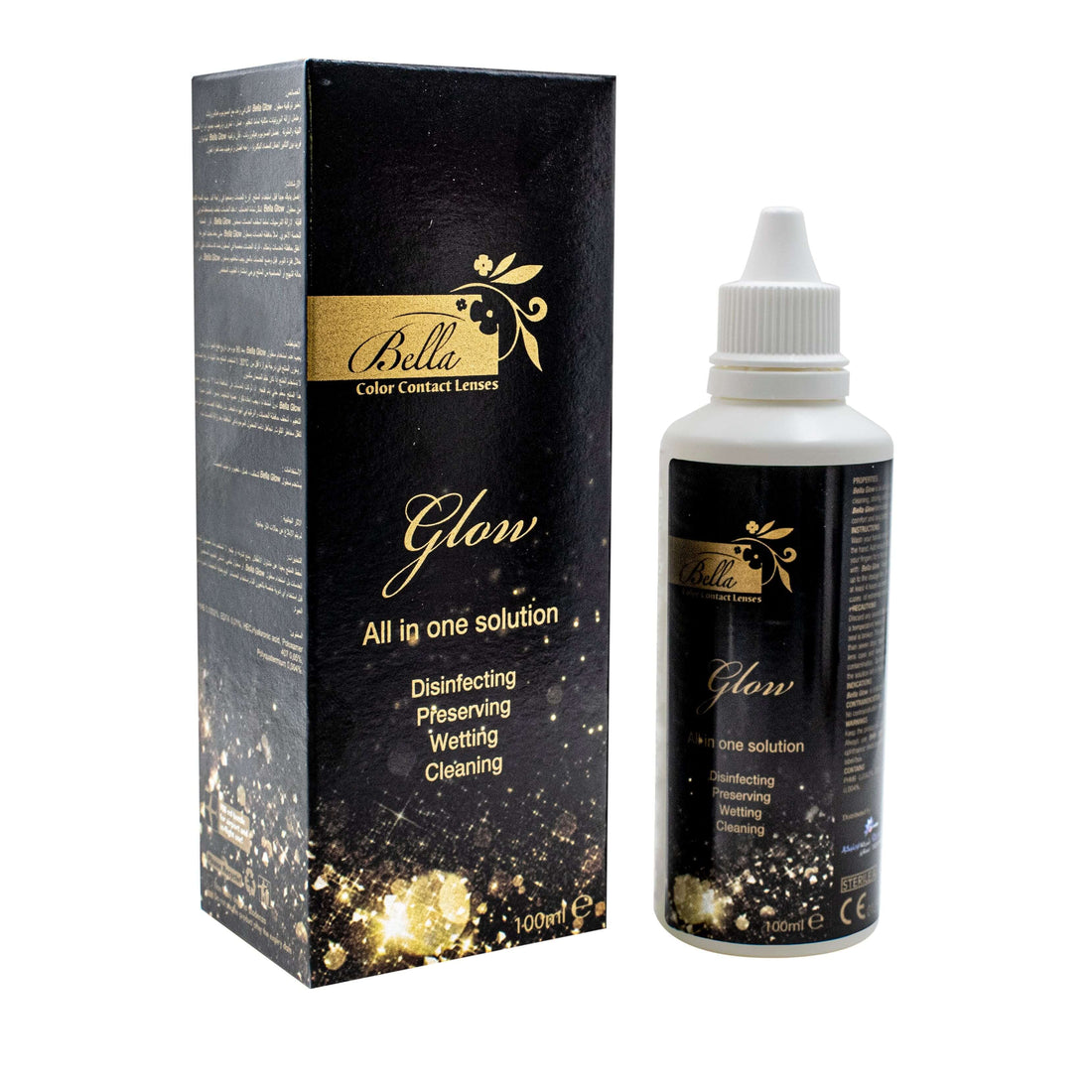

Many contact lens wearers often ask is contact lens solution saline, or assume that saline solution can be used as a substitute for regular contact lens solution. At first glance, both liquids look clear, sterile, and similar, which leads to confusion and potentially risky lens care habits. However, contact lens solution and saline solution serve very different purposes in eye care. Using the wrong solution can increase discomfort, raise infection risk, and compromise long-term eye health.
This guide explains the differences, answers whether is contact lens solution the same as saline solution, and clarifies when saline can and cannot be safely used with contact lenses.
What Is Contact Lens Solution?
Contact lens solution is a specially formulated liquid designed to support safe daily contact lens wear. Its primary role is not only to rinse lenses, but also to clean, disinfect, and preserve them between uses.
Contact lens solution is engineered to:
-
Remove protein, lipid, and environmental debris from lenses
-
Kill or neutralise bacteria, fungi, and microorganisms
-
Maintain lens hydration and flexibility
-
Allow safe storage between wear periods
There are several common types of contact lens solution, including:
-
Multi-purpose solutions, which clean, rinse, disinfect, and store lenses
-
Hydrogen peroxide systems, which provide deeper disinfection and are often preservative-free
>>> See more: Are Contact Lenses Safe? Expert Advice on Risks, Benefits & Proper Car

What Is Saline Solution?
Saline solution is a sterile saltwater mixture designed to match the natural salt concentration of the human body. While it is safe for contact with the eyes, saline has a much more limited role in contact lens care.
Saline solution:
-
Contains purified water and sodium chloride
-
Does not contain disinfectants or cleaning agents
-
Is commonly used for rinsing medical devices or flushing the eyes
In contact lens care, saline is sometimes used for:
-
Rinsing lenses after they have been disinfected
-
Rinsing lenses before insertion to remove residue
Despite its safety, saline for contact lenses does not replace proper cleaning or disinfection.

Is Contact Lens Solution Saline?
The short and clear answer to is contact lens solution saline is no.
Although both liquids appear similar, they are fundamentally different products. Contact lens solution contains active disinfecting agents and cleaning components designed to kill microorganisms and remove deposits. Saline solution does not perform these functions.
Key differences include:
-
Contact lens solution actively disinfects lenses
-
Saline does not kill bacteria, fungi, or parasites
-
Saline cannot remove protein buildup
Using saline alone for lens care can leave harmful microorganisms on the lens surface, significantly increasing the risk of infection.
Is Contact Lens Solution the Same as Saline Solution?
To further clarify is contact lens solution the same as saline solution, comparing their functions side by side highlights why they are not interchangeable.
|
Feature |
Contact Lens Solution |
Saline Solution |
|
Cleans lenses |
Yes |
No |
|
Disinfects lenses |
Yes |
No |
|
Rinses lenses |
Yes |
Yes |
|
Safe for storage |
Yes |
No |
While saline can rinse lenses, it cannot disinfect or safely store them. Relying on saline alone for storage or cleaning creates ideal conditions for bacteria growth.

When Can You Use Saline with Contact Lenses?
Although saline is not a replacement for contact lens solution, there are limited situations where its use is appropriate.
Saline can be used:
-
To rinse lenses after proper disinfection
-
To rinse lenses before insertion if recommended by your optometrist
However, saline should never be used:
-
As a standalone cleaning solution
-
For overnight lens storage
-
As a substitute for disinfecting solution
In emergency situations where no solution is available, guidance such as how to store contacts without case and solution should be followed rather than relying on saline incorrectly.
Why Using Only Saline Can Be Dangerous
Using saline as your primary lens care solution is one of the most common and dangerous mistakes contact lens wearers make.
Risks include:
-
Survival of bacteria and parasites on lenses
-
Increased chance of corneal infections
-
Higher likelihood of irritation and inflammation
Water exposure further increases danger. Water and saline lack disinfecting power and may introduce harmful microorganisms. (You can find out more here: Can you put your contacts in water? )

Which Solution Should You Use Daily?
For daily contact lens care, only approved contact lens solutions should be used.
Best practice includes:
-
Using multi-purpose or hydrogen peroxide solutions as directed
-
Matching solution type to your lens material
-
Following optometrist recommendations
Incorrect solution use, such as placing solution directly in the eye, can also cause harm.
>>> See more: Can you put contact solution in your eyes with contacts
Contact lens solution and saline solution are not the same and should never be treated as interchangeable. While saline has limited uses for rinsing, it cannot clean, disinfect, or safely store contact lenses. Understanding the difference answers common questions like is contact lens solution saline and is contact lens solution the same as saline solution, helping wearers avoid serious eye health risks. Proper lens care, correct solution use, and professional guidance remain essential for safe, comfortable contact lens wear.