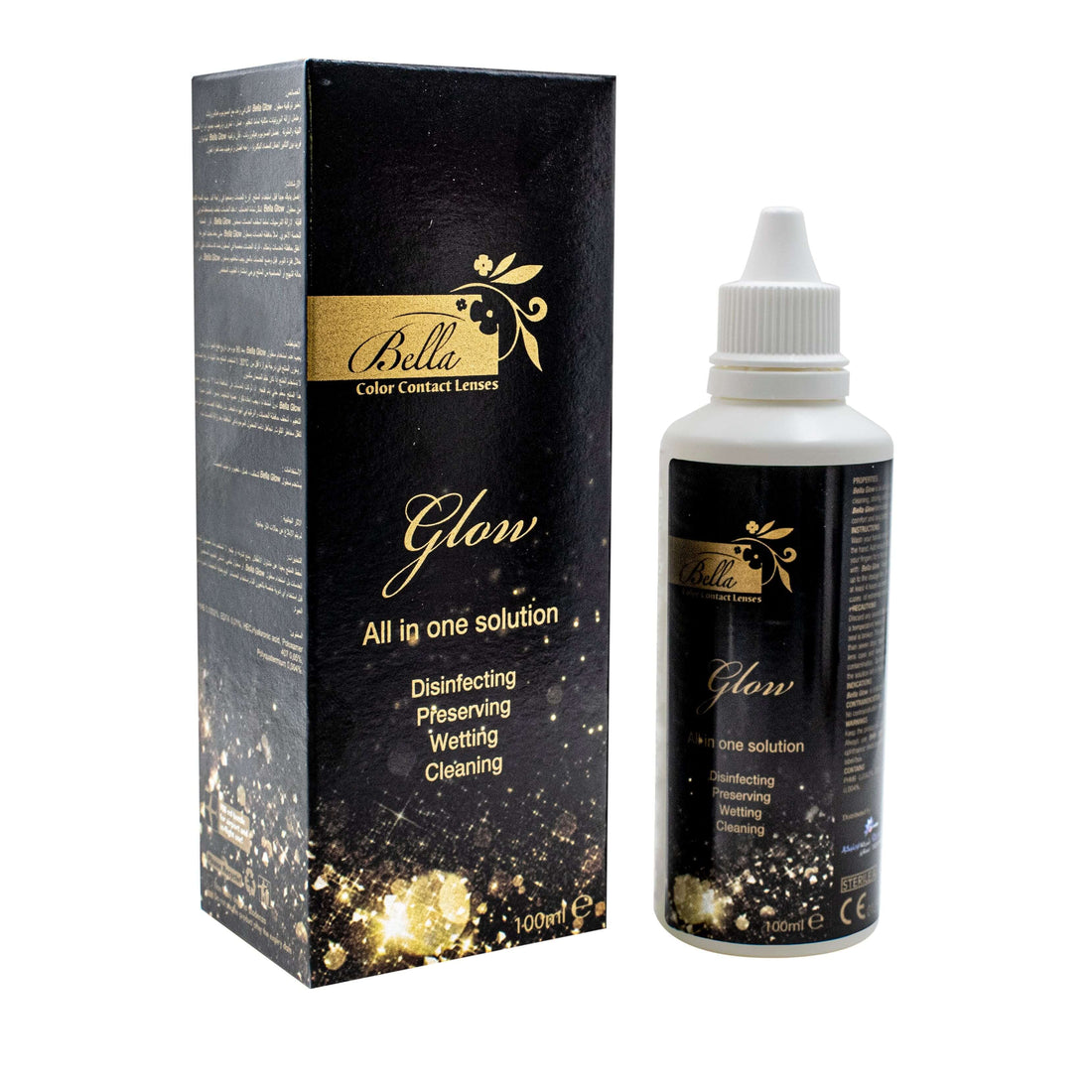

Choosing the best contact lens solution is one of the most important yet overlooked aspects of safe contact lens wear. While many users focus on lens brand or prescription accuracy, the solution you use directly affects lens cleanliness, comfort, and long-term eye health.
This guide explains how contact lens solutions work, the key differences between solution types, and how to choose the best soft contact lens solution based on your specific eye needs, lifestyle, and wear habits.
What Does Contact Lens Solution Do?
Contact lens solution performs multiple critical functions essential for safe contact lens wear and preventing contact lens infection.
Disinfects and Kills Microorganisms: Contact lens solution kills bacteria, fungi, and viruses on lenses, preventing contact lens infection by eliminating harmful pathogens before they reach your eyes.
Cleans and Removes Deposits: Contact lens solution breaks down protein, lipids, and debris that cloud vision and harbor bacteria, reducing discomfort and contact lens infection risk.
Rinses Away Contaminants: Contact lens solution rinses loosened debris and microorganisms from lenses, ensuring surfaces are clean and safe before insertion into eyes.
Conditions and Moisturizes Lenses: Contact lens solution hydrates and conditions lenses with moisturizing agents, maintaining flexibility, comfort, and optical clarity throughout the day and storage.
Maintains Lens Integrity: Contact lens solution is pH-balanced to preserve lens shape and material properties, preventing warping or degradation that compromises fit and performance.
Water doesn't disinfect, clean deposits, or balance pH. Tap water introduces Acanthamoeba and bacteria causing severe contact lens infection never substitute water for proper contact lens solution.
>>> See more: Can you put contact solution in your eyes with contacts?

Top 10 Contact Lens Solutions in the UK (2026)
Here is the updated list of the Top 10 Contact Lens Solutions tailored specifically for the UK market in 2026. This selection reflects British consumer preferences, NHS-standard safety expectations, and availability at major retailers like Boots, Specsavers, and Vision Direct.
|
Rank |
Product Name |
Solution Type |
Key Unique Selling Point (USP) |
|
1 |
Bausch + Lomb Biotrue |
Multi-Purpose |
Uses Hyaluronan to match the biological pH of human tears. |
|
2 |
Alcon Opti-Free Puremoist |
Multi-Purpose |
HydraGlyde Matrix provides a cushion of moisture for 16+ hours. |
|
3 |
Acuvue RevitaLens |
Multi-Purpose |
Delivers peroxide-quality disinfection with the ease of a multi-purpose. |
|
4 |
ReNu MultiPlus |
Multi-Purpose |
Proven formula for effectively removing protein deposits from monthly lenses. |
|
5 |
Ever Clean Plus |
Hydrogen Peroxide |
Preservative-free; uses a 2-layer tablet to clean and remove lipids simultaneously. |
|
6 |
AOSept Plus HydraGlyde |
Hydrogen Peroxide |
Powerful triple-action cleaning via a bubbling oxygen reaction. |
|
7 |
CooperVision Hy-Care |
Multi-Purpose |
Specifically designed to be gentle on sensitive eyes with a natural lubricant. |
|
8 |
comfi All-in-One |
Multi-Purpose |
The UK's leading "Best Value" choice—high performance at a budget price. |
|
9 |
Regard (Disinfectant) |
Multi-Purpose |
A "soft" solution that breaks down into water and oxygen on the eye. |
|
10 |
Boston Simplus |
RGP (Hard Lens) |
The gold standard for Hard/Gas Permeable lenses; no separate rub required. |
How to Choose the Best Contact Lens Solution for You
Selecting the right contact lens solution ensures comfortable wear, effective lens care, and prevention of contact lens infection. Several factors determine which contact lens solution works best for your specific needs.
Consider Your Lens Type
Different contact lens materials require compatible contact lens solution formulations for optimal performance and safety.
-
Soft contact lenses: Most multipurpose contact lens solution products work well with soft lenses, offering convenient all-in-one cleaning and disinfection.
-
RGP/hard lenses: Require specialized contact lens solution designed specifically for rigid gas permeable materials with different cleaning needs.
-
Silicone hydrogel lenses: Work with most modern contact lens solution types but may benefit from solutions with enhanced moisturizing properties.
Always verify that your contact lens solution is approved for your specific lens material and brand to prevent damage or contact lens infection.
>>> See more: A Guide on Contact Lens Materials

Assess Your Eye Sensitivity
Your eyes' sensitivity level significantly influences which contact lens solution will provide comfortable, irritation-free wear.
-
Sensitive eyes: Choose preservative-free hydrogen peroxide contact lens solution systems that eliminate chemical preservatives causing irritation or allergic reactions.
-
Preservative allergies: Hydrogen peroxide contact lens solution or preservative-free multipurpose solutions prevent reactions while maintaining effective disinfection against contact lens infection.
-
Normal sensitivity: Standard multipurpose contact lens solution provides convenient, effective care for most users without sensitivity issues.
If you experience persistent redness, stinging, or discomfort with your current contact lens solution, consult your eye care professional about switching formulations.
>>> See more: Best Bella Contact Lenses for Dry Eyes

Evaluate Protein Buildup Tendency
Some people's tears produce more protein deposits requiring stronger cleaning power from contact lens solution.
-
Heavy protein buildup: Hydrogen peroxide contact lens solution systems provide superior protein removal, preventing cloudy vision and reducing contact lens infection risk from deposit accumulation.
-
Normal deposits: Standard multipurpose contact lens solution adequately manages typical daily protein and lipid buildup for most wearers.
-
Extended wear schedules: Monthly or bi-weekly lenses benefit from contact lens solution with enhanced cleaning capabilities to maintain clarity throughout replacement cycles.
Budget Considerations
Contact lens solution costs vary, but investing in appropriate products prevents expensive contact lens infection complications.
-
Cost-effective: Generic multipurpose contact lens solution provides adequate care at lower prices for users without special requirements.
-
Worth premium pricing: Specialized contact lens solution for sensitive eyes or superior cleaning justifies higher costs by preventing discomfort and contact lens infection.
-
Long-term value: Quality contact lens solution prevents infections requiring expensive medical treatment and potential vision damage far exceeding solution savings.
Consult Your Eye Care Professional
Your optometrist provides personalized contact lens solution recommendations based on your specific eye health, lens type, and wearing patterns. Professional guidance ensures you select contact lens solution that maintains lens hygiene while preventing contact lens infection.
If you experience persistent problems with your current contact lens solution such as discomfort, redness, or vision changes schedule an appointment to discuss alternative options that better suit your needs.
>>> See more: Can You Sleep with Contacts In?

Common Mistakes When Using Contact Lens Solution
Even experienced contact lens wearers make critical errors with contact lens solution that increase contact lens infection risk and compromise lens safety.
Reusing or Topping Off Solution
Never reuse or top off contact lens solution. Used solution loses disinfecting power and contains contaminants causing contact lens infection. Always empty cases and refill with fresh contact lens solution each time.
Using Tap Water Instead of Solution
Tap water introduces Acanthamoeba parasites and bacteria causing severe contact lens infection. Never rinse lenses or cases with water—only use sterile contact lens solution for all lens care.
>>> See more: Mastering Contact Lenses: Wear & Care Guide

Skipping the Rub Step
Physical rubbing removes protein deposits and biofilm that soaking alone cannot eliminate. Rub each lens 10-20 seconds with contact lens solution to prevent bacteria buildup and contact lens infection.
Insufficient Soaking Time
Most contact lens solution requires 4-6 hours minimum to kill microorganisms. Shorter soaking doesn't provide adequate disinfection, increasing contact lens infection risk significantly.
Mixing Different Solution Brands
Combining different contact lens solution types causes chemical reactions reducing effectiveness. Stick to one contact lens solution brand and never mix multipurpose with hydrogen peroxide systems.
Using Expired Solution
Expired contact lens solution loses disinfecting potency and may harbor bacteria, dramatically increasing contact lens infection risk. Always check dates and discard expired contact lens solution immediately.
Poor Case Hygiene
Rinse cases with contact lens solution (never water) after each use, air-dry upside down, and replace every three months. Contaminated cases cause contact lens infection despite proper solution use.
Not Following Solution-Specific Instructions
Hydrogen peroxide contact lens solution requires complete neutralization before insertion. Always follow manufacturer instructions for your specific contact lens solution to prevent eye damage and contact lens infection.