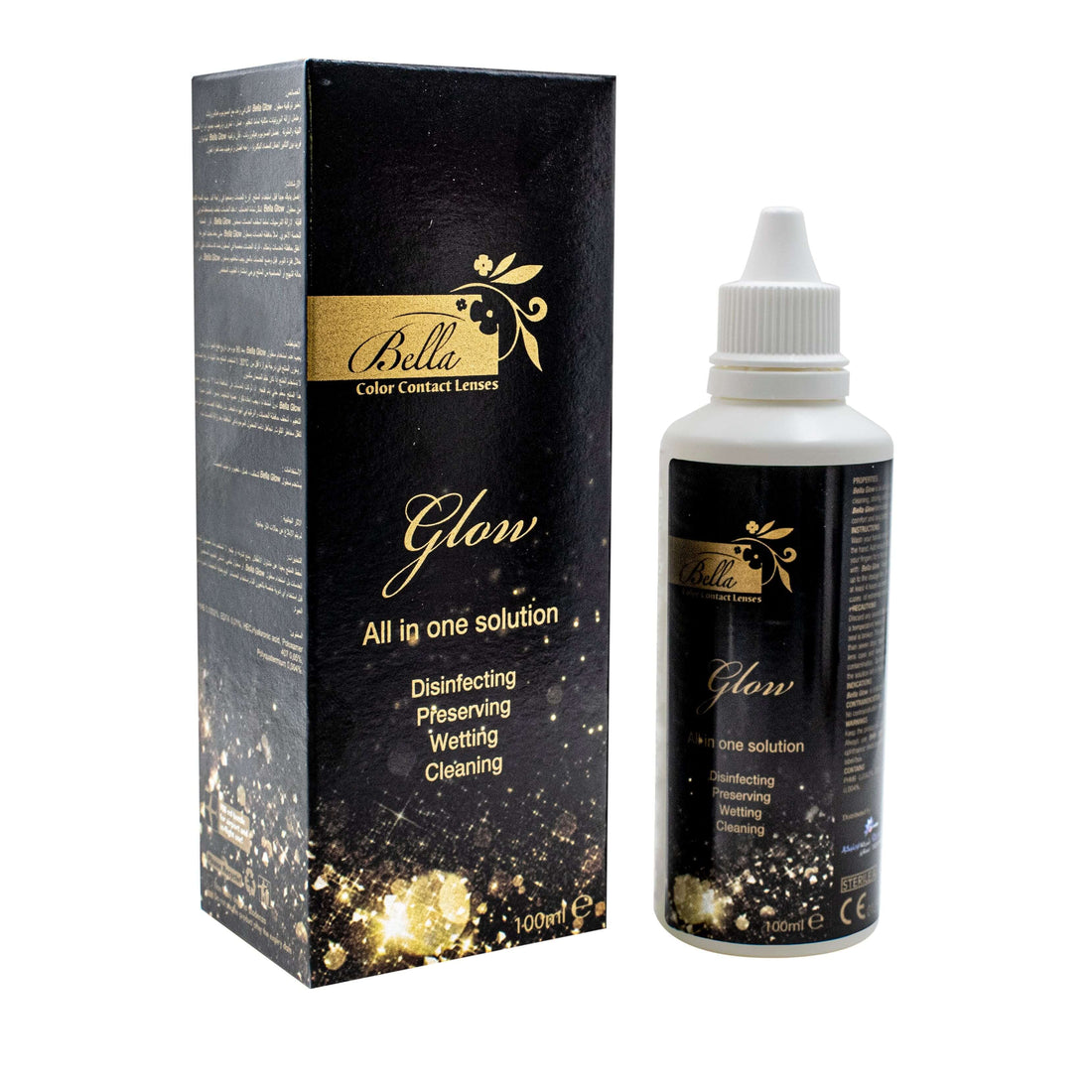

The most important tips for contact lenses are: wash and dry your hands before every insertion and removal, never sleep in lenses unless specifically approved for overnight wear, never use tap water on lenses or cases, replace lenses on their recommended schedule, and remove lenses immediately if you experience pain, redness, or significant blurring that does not clear with blinking.
This guide brings together the most important tips for contact lenses in the UK, covering daily hygiene, comfort, common mistakes to avoid, wearing lenses in different situations, and specific tips for coloured contact lens wearers.

The Essential Do's and Don'ts of Contact Lens Wear
Most contact lens problems trace back to a small number of habits – or the absence of them. The table below sets out the most important dos and don'ts in a format you can refer back to at any point, whether you are new to lenses or simply checking that your routine is on track.
Do's and Don'ts at a glance
The nine most important rules for safe contact lens wear.
|
Do |
Don't |
|---|---|
|
Wash and dry hands thoroughly before every insertion and removal |
Touch lenses with wet or unwashed hands |
|
Replace lenses on the manufacturer's recommended schedule |
Extend wear beyond the replacement date even if lenses feel fine |
|
Clean monthly lenses using the rub-and-rinse technique every evening |
Use tap water to rinse, store, or clean any part of your lens kit |
|
Fill the case with fresh solution every night |
Top up old solution – empty, rinse, and refill completely each time |
|
Replace your lens case every month |
Keep using a cracked, cloudy, or overused case |
|
Remove lenses before sleeping (unless extended-wear approved by optician) |
Sleep in daily or standard monthly lenses |
|
Remove lenses before swimming or showering |
Let any water come into contact with lenses during wear |
|
Insert lenses before applying eye makeup |
Apply makeup before inserting lenses |
|
Remove lenses immediately if you experience pain or significant redness |
Push through discomfort hoping it resolves on its own |
The table covers the habits behind most contact lens-related eye infections in the UK. Tap water carries microorganisms including Acanthamoeba, which can cause a serious corneal infection. Case contamination is a leading preventable cause of problems, which is why monthly case replacement is the minimum recommendation.
See more: How to Care for Contact Lenses: Monthly and Coloured Guide
Tips for Keeping Contact Lenses Comfortable All Day
Getting the fundamentals right is essential. These tips for contact lenses cover comfort – making sure lenses feel good throughout the day, not just at the moment of insertion.

Build up wear time gradually if you are new
First-time wearers should start at four to six hours per day and add one to two hours every couple of days. This allows the cornea and eyelids to adapt without the dryness that comes from jumping straight to a full twelve-hour day. Most reach a comfortable eight to twelve hours by week two or three.
Use rewetting drops throughout the day
Contact-lens-compatible lubricating drops are consistently underused. Apply one drop per eye every two to three hours in air-conditioned offices, during screen use, or whenever eyes feel dry or gritty. Use only drops labelled specifically as safe for contact lens wear, as general dry eye drops are not always compatible with soft lens materials.
Apply the 20-20-20 rule during screen use
People using screens blink significantly less, which accelerates lens dehydration. Every 20 minutes of screen work, look at something 20 feet away for 20 seconds and blink fully several times. Pairing this habit with lubricating drops removes most screen-related contact lens discomfort.
Tips for Wearing Contact Lenses in Specific Situations
Generic advice covers the basics. What many UK wearers find most useful is knowing what to do in situations that come up regularly, where standard guidance does not quite cover it.

Contact lens tips for sports and exercise
Daily disposable lenses are the best format for sport. There is no cleaning routine to manage after exercise, and a fresh pair every session eliminates the risk of deposits from sweat affecting the lens. If you wear monthly lenses for sport, carry rewetting drops and a spare lens case with solution. Never rub your eyes if sweat, dust, or wind irritates them – blink firmly several times and apply a drop of lubricating solution. For water sports including swimming, remove lenses before entering any water regardless of lens type.
Contact lens tips for makeup wearers
Insert your lenses before applying any eye makeup, without exception. Remove lenses before using any makeup remover, particularly oil-based formulas. Avoid applying liner on the inner waterline when wearing lenses, as pigment particles transfer directly onto the lens surface. For monthly lens wearers, the rub-and-rinse step is especially important on days when you have worn eye makeup.
Contact lens tips for travel and flying
Pack daily disposable lenses for any trip involving air travel. They remove the need for solution bottles, lens cases, and the liquid bag process at security, and they are the lowest-infection-risk option in the varied hygiene conditions of travel. For long-haul flights, remove lenses before sleeping and switch to glasses. Cabin humidity drops to 10 to 20 percent, significantly accelerating lens dehydration.
See more: How to Pack Contact Lenses When Flying: UK Rules 2025
Tips Specifically for Coloured Contact Lens Wearers
Coloured contact lenses use the same insertion and care routines as clear lenses, but a few specific points make a real difference to comfort, appearance, and safety.
Check orientation before every insertion
Coloured contact lenses have a visible iris print that makes it immediately obvious if the lens is inside-out. A correctly oriented coloured lens shows a crisp, evenly distributed pattern from the front. An inside-out lens looks slightly distorted at the edges. Always confirm orientation before the lens approaches your eye, even if you have been wearing the same pair for days.
Allow extra blinks after insertion before adjusting
Many coloured contact lenses have a slightly larger diameter than standard clear lenses. This means they typically take two to four blinks to settle into their final centred position after insertion. Do not try to reposition the lens immediately after it goes in. Blink naturally several times and then check whether the colour zone looks symmetrical and centred.

The rub step is non-negotiable with coloured lenses
The pigment layer in coloured contact lenses creates additional surface texture that traps protein deposits, makeup particles, and skin oils more readily than a clear lens surface. Skipping the rub-and-rinse step leads to buildup that affects both comfort and the clarity of the colour effect over time. For coloured monthly lenses, rub each side of the lens for ten to fifteen seconds with fresh multipurpose solution every evening. Coloured daily lenses eliminate this entirely because each pair is discarded after one session.
See more: Can You Wear Colored Contacts Daily? Your Complete Guide
Tips for New Contact Lens Wearers in the UK
The first two weeks of contact lens wear are where most beginners either build good habits or develop the shortcuts that cause problems later. A few targeted tips make this period significantly smoother.
Start with daily disposables for the simplest possible routine
For first-time wearers, daily disposable lenses offer the lowest-risk starting point because each pair is sterile from the packet, there is no cleaning or storage routine, and a fresh pair every day eliminates the most common infection risks. If you also want to try coloured lenses, daily contact lenses in coloured formats let you explore both simultaneously with minimal added complexity.

Know exactly when to stop and remove
Remove lenses immediately and without waiting if you notice: sharp or stabbing pain that does not ease after blinking several times; sudden significant vision changes that blinking does not resolve; pronounced redness accompanied by discharge; or a lens that feels completely stuck despite lubricating drops and blinking. After removing the lens, if symptoms do not improve within 30 minutes, seek same-day care from a UK-registered optician.
See more: Tips for Putting in Contact Lenses: UK Guide for Beginners
Frequently Asked Questions
The questions below reflect what UK contact lens wearers search most often about tips and best practices.
What are the most important tips for contact lenses?
Wash hands before every insertion, replace lenses on schedule, never use tap water, never sleep in daily or standard monthly lenses, and remove lenses immediately if pain, redness, or persistent blurring occurs.
How do you keep contact lenses comfortable all day?
Apply contact-lens-compatible lubricating drops every two to three hours, use the 20-20-20 rule during screen time, and build up wearing hours gradually in your first weeks rather than jumping straight to a full day.
Can you wear contact lenses every day?
Yes, within the manufacturer's recommended daily wear schedule and replacement timeline. Follow hygiene rules consistently and never sleep in lenses not approved for overnight wear.
What are the specific tips for coloured contact lenses?
Check orientation before inserting, allow several blinks before checking centring, insert before makeup, and always rub-and-rinse clean coloured monthly lenses after each wear.
What should you never do with contact lenses?
Never use tap water on lenses or cases, never sleep in standard daily or monthly lenses, never top up old solution, never wear lenses beyond their replacement date, and never share contact lenses with another person.
Good contact lens habits come down to a small number of consistent practices: clean hands, fresh solution, on-schedule replacement, and removal before sleep. For coloured contact lens wearers, orientation checks and a thorough rub-and-rinse routine protect both eye health and the colour effect. Build these habits from day one and comfortable daily wear becomes routine. For anyone starting out, the tips for contact lenses above cover everything needed.
This article is for informational purposes only. If you experience persistent eye discomfort, redness, or vision changes while wearing contact lenses, remove them and consult a UK-registered optician.