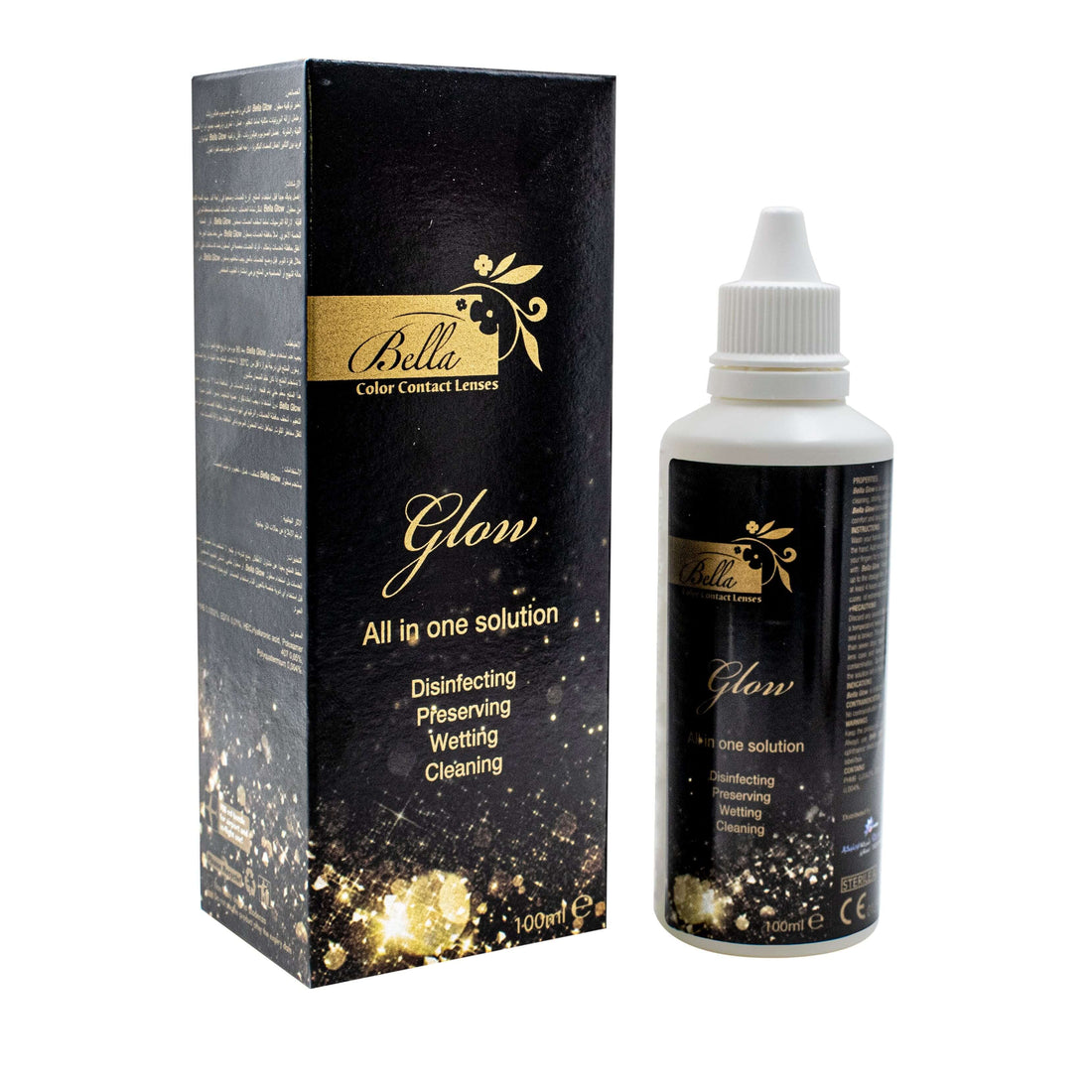

Cold weather raises many practical eye-care questions, especially for those who rely on contact lenses every day. Among the most common concerns is “Can contacts freeze in cold weather?” Understanding how lens materials behave in extreme cold helps you protect your vision, maintain comfort, and avoid unnecessary damage to your lenses during the winter months.
This guide explains the freezing behavior of hydrogel and silicone hydrogel lenses, how extreme cold impacts comfort, and the safest ways to protect your eyes during winter sports, travel, and delivery season.
Can Contacts Freeze in Cold Weather?
Cold temperatures affect different lens materials in very different ways. A short introduction helps clarify the misconception: contact lenses do not freeze on your eyes, but packaged lenses can freeze under the right conditions.
Thermal Behavior of Hydrogel vs. Silicone Hydrogel Lenses
Hydrogel lenses contain high water content, often 38% to 70%, which makes them more sensitive to freezing. Silicone hydrogel lenses, on the other hand, contain less water (typically 24%–48%) and incorporate silicone polymers that resist crystallization. Because silicone has low thermal conductivity, these lenses hold their structure even in colder temperatures.
Water Content and Freezing Point Principles
Basic physics applies: water freezes at 0°C, but the saline solution inside lens blister packs contains salts and buffering agents that lower the freezing point slightly. This means packaged lenses usually freeze somewhere between –5°C to –10°C, depending on their formulation.
However, lenses worn on the eye do not freeze because the corneal surface stays warm, typically between 32°C and 35°C, maintained by your body temperature, tear film, and constant blood flow.
Conditions When Packaged Lenses Freeze
Packaged lenses can freeze when exposed to:
-
Outdoor temperatures below –10°C
-
Prolonged exposure to mailboxes or delivery trucks during winter
-
Luggage left outside on an airport tarmac
-
Car glove compartments overnight
When they freeze, the saline solution expands inside the blister pack, making the lens stiff or misshapen.
Can Contacts Freeze in Cold Weather? Myth vs. Reality
Myth: “My lenses will freeze on my eyes during snowboarding.”
Reality: This is impossible. Your body maintains a stable temperature around the eyes.
Fact: Packaged lenses can freeze in transport or storage.
If that happens, the lens must return to room temperature before opening the pack to prevent tearing or structural damage.
This leads naturally to the next key topic: what exactly happens to a lens when it truly freezes?
What Happens to Contact Lenses When Exposed to Extreme Cold?
Now that we know freezing occurs only in packaging, it helps to understand how cold temperatures physically affect lens materials.
Three Structural Changes in Frozen Lenses
When temperatures drop below freezing, lenses can undergo:
-
Crystallization: Water molecules inside the lens begin forming ice crystals, which distort the lens matrix.
-
Stiffness & Brittleness: The normally flexible hydrogel becomes rigid, losing its ability to contour comfortably to the cornea.
-
Solution Expansion: The saline fluid inside the blister pack expands as it freezes, sometimes causing micro-tears along the lens edge.
These changes compromise lens safety.
Why do These Changes Only Affect Packaged/Unused Lenses
Lenses on the eye remain hydrated and warm due to tear film circulation and blinking. The tear film also contains salts, oils, and proteins that stabilize the lens temperature.
Material Resilience in Bella Lenses
Premium lenses such as Bella, which use hydrophilic polymers and encapsulated pigment layers, maintain stability even after temperature fluctuations. The pigment layers do not freeze or crack, and the silicone components prevent brittleness. This makes them more resilient than traditional hydrogels during winter shipping.
This sets the stage for the next concern: temperature isn’t the only winter factor affecting comfort; dryness matters even more.

How Cold Weather Affects Comfort When Wearing Lenses
Winter comfort problems are rarely caused by freezing; they come from dryness and environmental irritation.
Tear Evaporation in Low Humidity
Cold air carries significantly less moisture. When humidity drops below 30%, your tear film evaporates faster. This causes your lenses to lose water and feel dry or gritty.
Reduced Blink Rate in the Cold
Studies show that people blink less when their eyes are exposed to cold. Fewer blinks mean less tear distribution, increasing dryness and irritation for contact lens wearers.
Wind Chill Effects
Wind accelerates evaporation and can cause a sensation of lens movement even when the lens is stable. Skiers and cyclists experience this most intensely.
Why Winter Dryness Affects Hydration More Than Temperature
Lenses are designed to remain stable across a broad temperature range, but hydration is more fragile. Winter air strips moisture from:
-
The lens
-
The tear film
-
The ocular surface
This explains why many people experience discomfort in cold weather, even though the lenses themselves don’t freeze.
With comfort issues explained, the next section focuses on actionable eye protection for cold weather strategies.
How to Protect Your Eyes and Contact Lenses in Cold Weather
To keep your eyes healthy and your lenses comfortable, incorporate these practical cold-weather techniques:
Five Cold Weather Eye Protection Techniques
-
Wear wraparound sunglasses to shield from wind and UV reflection off snow.
-
Use preservative-free lubricating drops to maintain hydration.
-
Practice conscious blinking, especially during winter sports or computer use.
-
Avoid wearing lenses in extremely windy conditions without protective eyewear.
-
Limit lens wear time on days with aggressive dryness.
Sports Environments: Skiing & Snowboarding
Snow sports expose the eyes to high wind speeds and UV radiation. Ski goggles with anti-fog and UV protection create a controlled environment that prevents tear evaporation and lens dehydration.
Daily Disposables Work Best in Winter
Daily lenses retain moisture better, accumulate fewer deposits, and remain more comfortable during rapid temperature changes. They are also ideal when shifts between indoor heating and outdoor cold cause irritation.
Why Bella Daily Lenses Maintain Comfort Better
Bella’s daily disposables use advanced hydrophilic polymers that bind moisture more effectively than yearly or monthly lenses. This reduces winter dryness and keeps the lens stable against wind exposure.
Now that you know how to protect lenses during wear, the next issue is handling storage and travel during winter.

How Delivery, Storage, and Winter Travel Impact Your Lenses
Most winter-related lens issues arise not from wearing them but from how they are transported or stored. Packaged lenses are far more vulnerable to freezing because they lack the warmth of the eye’s natural environment. During winter, delivery trucks often remain unheated overnight, allowing temperatures to dip below freezing. Outdoor mailboxes, especially metal ones, quickly equalize with outside temperatures and may expose lenses to subzero conditions for hours.
Car glove compartments also retain cold air and frequently reach freezing temperatures by morning. Similarly, luggage stored in airplane cargo holds may be exposed to –20°C or lower before takeoff. Under these conditions, blister packs can freeze, and the saline solution may expand, affecting the lens inside.
Manufacturers generally recommend storing lenses within a temperature range of –5°C to +30°C. If a lens pack feels frozen or unusually cold, the best approach is simply to let it sit at room temperature for several hours before opening. This slow thawing helps prevent tearing, distortion, or edge defects that might occur if the lens is removed prematurely.

Professional Advice: Winter Lens Safety From Eye Experts
Eye-care professionals emphasize prevention and regular monitoring during winter lens wear.
Optometrist-Backed Best Practices
-
Keep backup glasses for extremely dry days.
-
Use preservative-free artificial tears if your eyes feel irritated.
-
Consider switching to daily disposables if winter dryness worsens.
Eye Exams for Winter Wearers
Dryness increases in winter, so optometrists recommend annual exams to evaluate lens fit, tear quality, and corneal health.
Managing Dry Eye Symptoms Linked to Cold Exposure
Professionals suggest humidifiers, warm compresses, and omega-3 supplementation to stabilize the tear film, especially in heated indoor environments.
In Summary
Can contacts freeze in cold weather? Contact lenses do not freeze on the eye, but packaged lenses can freeze in extreme temperatures. Understanding the behavior of hydrogel and silicone hydrogel materials helps you avoid damage during delivery, travel, and storage. Winter dryness, not temperature, is the main reason for discomfort, so protective eyewear, lubricating drops, and daily disposable lenses remain the best solutions. With the right precautions, you can wear your lenses safely even in the coldest climates.
FAQs about Can Contacts Freeze In Cold Weather
Do contact lenses freeze on airplanes?
No. Aircraft cabins are heated and pressurized, so lenses cannot freeze while worn. Only lenses stored in unheated cargo holds may freeze.
Can skiing or snowboarding cause lenses to harden?
Not from temperature. They may feel stiffer due to dryness caused by wind exposure, which is why goggles are recommended.
Is it safe to wear contacts below −20°C?
Yes. Your eyes stay warm internally, and lenses cannot freeze on the cornea, even in extreme cold.
Can wind cause contact lenses to fall out?
Wind cannot physically blow out a lens, but dryness from wind can make the lens feel unstable.
Do colored lenses behave differently in cold weather?
High-quality colored lenses, such as Bella, use encapsulated pigments that remain stable through temperature changes.
Do glasses work better than lenses in winter?
Both have advantages. Glasses can fog, but they shield the eyes from the wind. Lenses work well when paired with protective eyewear.