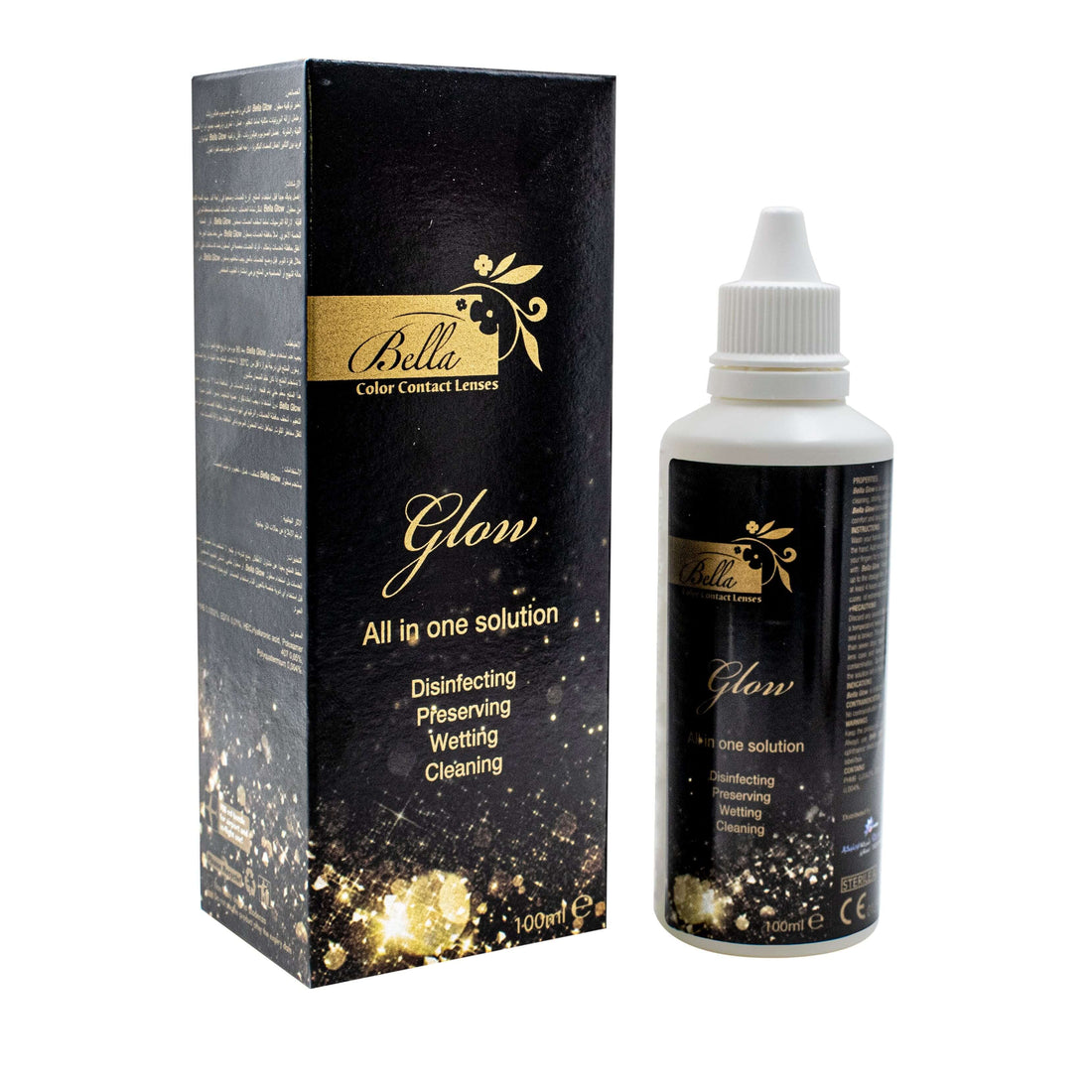

Wearing contact lenses changes how the eyes interact with moisture, oxygen, and topical products, which makes many wearers wonder whether regular eye drops are safe to use. Can you use eye drops with contacts? The short answer: Some eye drops are completely safe with contacts, while others can damage lenses or irritate the eyes. Understanding the differences helps protect eye health and keeps vision clear throughout the day.
Can You Use Eye Drops While Wearing Contacts?
Can you use eye drops with contacts? Using eye drops while wearing contact lenses is possible, but only if the drops are specifically labelled “contact-lens safe” or “for use with contacts.” These formulas are designed to work with soft hydrogel and silicone hydrogel lenses without breaking them down or trapping preservatives inside the material.
Most standard over-the-counter drops are not meant for direct use on lenses because their ingredients can bind to the lens surface and cause discomfort, cloudiness, or irritation.
Which Eye Drops Are Safe to Use With Contact Lenses?
Contact-lens-safe drops include rewetting drops, preservative-free lubricating drops, and speciality formulas created for dry-eye contact lens wearers. These products maintain lens hydration, reduce friction, and restore tear film stability without altering the structure of the lens. Brands typically label them “for contacts” or “contact lens rewetting drops,” making them easy to identify.
Which Types of Eye Drops Are Unsafe With Contacts?
Drops containing oils, thick gel lubricants, vasoconstrictors, or standard multi-purpose preservatives are generally unsafe. These formulas can cling to lenses, trap chemicals, and create a cloudy film.
Medicated or redness-relief drops often require the lens to be removed before use because their active ingredients are not designed for absorption through lenses. Transitioning to the next section, using the wrong drops can have immediate and long-term consequences.

What Happens If You Use the Wrong Eye Drops With Contacts?
Using incompatible drops with contacts exposes the eyes to chemicals that do not naturally clear from the lens surface. This can lead to discomfort, vision fluctuations, and in severe cases, corneal irritation.
When an incompatible drop coats a lens, wearers may feel instant burning, stinging, or gritty discomfort. The drop can cause the lens to shift, shrink slightly, or develop surface deposits, producing blurred or foggy vision. Some preservatives bind to soft lenses and remain trapped, intensifying the burning sensation until the lens is removed and rinsed.
With repeated exposure, the wrong contact lenses eye drops can damage both the lens and the cornea. Preservatives such as benzalkonium chloride may cause lens discolouration, warping, and reduced oxygen permeability. Over time, insufficient oxygen or trapped chemicals can irritate the corneal epithelium, increasing the risk for redness, inflammation, or contact lens intolerance. Understanding which drops to use helps prevent these avoidable issues.
Can You Use Eye Drops With Contacts? Which Types of Eye Drops
Several categories of eye drops are specifically formulated to be safe and effective for contact lens users. Each type provides different benefits depending on symptoms and lens material.
Rewetting Drops (Contact-Lens Safe)
Rewetting drops help restore moisture between the lens and the eye’s surface. These drops reduce friction, improve comfort, and prevent lenses from feeling dry or sticky, especially during long screen-time sessions. They are built with lightweight polymers that mimic natural tears without altering lens shape.
Preservative-Free Lubricating Drops
Preservative-free lubricants are ideal for sensitive eyes and daily lens wearers. Because they do not contain chemicals that bind to lenses, they minimise irritation and allow the tear film to stabilise naturally. Many single-use vials are compatible with soft and rigid lenses, offering gentle hydration throughout the day.
Dry-Eye Drops for Contact Lens Wearers
Dry-eye-specific drops for contact users help restore moisture and reduce symptoms of evaporation or tear instability. These formulas use low-viscosity ingredients to avoid blurring vision while still offering sustained comfort. They are particularly helpful for individuals who experience dryness in air-conditioned environments or prolonged digital device use.
Allergy Eye Drops and Contact Lens Compatibility
Some allergy formulas are contact-safe, while others require removing lenses before application. Contact-safe versions contain antihistamines without vasoconstrictors, offering relief from itching and irritation. If a product is not labelled for contact lens use, lenses should be removed, drops applied, and lenses reinserted after at least 10–15 minutes.
Redness-Relief Drops (Vasoconstrictors)
Redness-relief drops work by shrinking blood vessels temporarily. These vasoconstrictors are not safe to use with contacts because they can cause rebound redness, reduce oxygen flow, and bind to lenses. Many users experience worsened irritation after repeated use, which is why these products should not be used with lenses in place.
Medicated Drops: When You Must Remove Contacts
Prescription antibiotics, steroids, antivirals, or glaucoma drops must be applied without lenses. Contacts can absorb these medications and deliver inconsistent dosing, which reduces effectiveness. Wearers should follow their eye-care provider’s guidance before resuming contact lens use. As the next section explores, many people still wonder whether regular eye drops are safe.

Can You Use Regular Eye Drops With Contacts?
Regular eye drops are designed for use on the eye alone, not over a lens. Unless a bottle specifically says “contact lens safe,” it should not be used with lenses in place.
To evaluate whether a drop is compatible, check for labels such as:
-
“Safe for soft contact lenses”
-
“Rewetting drops”
-
“Compatible with silicone hydrogel lenses”
-
“Preservative-free”
Avoid products that list oils, thick gels, or heavy polymers, which can coat lenses.
Two preservatives, benzalkonium chloride (BAK) and chlorhexidine, are known to bind strongly to soft lenses. Once absorbed, these chemicals may irritate the eye and degrade the lens material. To prevent long-term discomfort, avoid products containing these preservatives when wearing contacts. The next section explains how to apply lens-safe drops correctly.

How to Apply Eye Drops Safely While Wearing Contact Lenses
Proper technique ensures comfort, prevents contamination, and keeps lenses stable throughout the day.
-
Wash and dry hands thoroughly.
-
Tilt your head back and gently pull down the lower eyelid.
-
Look upward and apply one drop into the lower lid pocket.
-
Blink slowly to help the drop spread under the lens.
-
Avoid touching the dropper tip to your eye or lens.
This method helps the drops distribute evenly without dislodging the lens.
Most contact-safe drops require one or two drops per eye. Using more may cause the lens to float or shift temporarily. Follow the product’s recommended dosage for best results.
Always check expiration dates, avoid sharing bottles, and store drops at room temperature. Clean hands are essential to prevent bacteria from entering the eye or contaminating the bottle. With proper use, eye drops can significantly improve comfort and support healthy lens wear.
Final Thoughts
Can you use eye drops with contacts? Using the right eye drops with contact lenses keeps your eyes hydrated, reduces irritation, and protects long-term eye health. Stick to contact-safe rewetting or preservative-free options, avoid redness-relief drops, and remove lenses when using medicated formulas. With the correct products and techniques, contact lens wearers can maintain comfort and clear vision every day.
FAQs
Can you put eye drops in while wearing contacts?
Yes, you can put eye drops in while wearing contacts, but only if the formula is clearly labelled as contact lens safe eye drops to prevent irritation or lens damage.
Can you use dry-eye drops with contacts?
Yes, but choose contact-safe or preservative-free dry-eye drops designed not to coat or warp soft lenses during wear.
Is Clear Eyes safe for contacts?
Most Clear Eyes formulas aren’t meant for lenses. Only if the bottle specifically states “Clear Eyes for contacts,” which is uncommon.
Can you use allergy eye drops with contacts on?
Only if labelled contact-safe; otherwise, remove lenses, apply drops, and wait 10–15 minutes before reinserting them.
Can I use regular eye drops with contacts?
No, regular eye drops may contain preservatives or oils that absorb into lenses and cause irritation or blurriness.
Can I use eye drops with contact lenses?
You can use eye drops with contact lenses if the formula is specifically labelled for contacts and free from harmful preservatives.
Can you use dry eye drops with contacts?
Yes, but it depends on labelling; only use dry-eye formulas marked safe for soft lenses.
Clear Eyes Redness Relief with contacts — Is it safe?
No. Clear Eyes Redness Relief with contacts is unsafe because vasoconstrictors can cling to soft lenses, increasing dryness, irritation, and rebound redness over time.