
Wearing contact lenses should feel comfortable, but many people notice itching, redness, or irritation that seems to appear only when lenses are in place. This raises an important question: can you be allergic to contact lenses? Understanding the mechanisms behind these reactions helps readers identify whether a true allergy, contact lens intolerance, or an external factor is responsible.
This guide uses medically aligned terminology, like allergic conjunctivitis, giant papillary conjunctivitis (GPC), and solution allergy, to explain the causes, symptoms, treatment, and prevention of contact lens allergies.
What Is a Contact Lens Allergy?
A contact lens allergy is a hypersensitivity reaction involving the eye’s immune system, which becomes activated when a lens, its cleaning solution, or accumulated debris triggers inflammation. Clinically, this reaction is associated with forms of allergic conjunctivitis, where the conjunctiva becomes red, swollen, and itchy due to allergen exposure.
It’s important to differentiate between a true allergic reaction and contact lens intolerance.
-
A true allergy occurs when the immune system identifies a substance, such as preservatives or proteins, as foreign and produces a histamine-driven reaction.
-
Contact lens intolerance, on the other hand, is a mechanical or comfort-based issue where the eyes simply reject the lens after prolonged irritation or poor fit, without involving an immune response.
In many cases, complications like giant papillary conjunctivitis (GPC) appear. GPC occurs when the inside of the eyelids develops large bumps (papillae), often caused by chronic friction or protein buildup on the lenses, not necessarily a classic allergy.
Can You Be Allergic to Contact Lenses?
Yes, you can be allergic to contact lenses, though the term “allergy” encompasses several possible reactions. Most people are not allergic to the lens material itself. Instead, symptoms arise from:
-
Preservatives in cleaning solutions,
-
Deposits accumulating on the lens surface, or
-
Specific polymers used in certain lens types.
People commonly search variations such as allergy to contact lenses, eyes allergic to contacts, or allergic to contacts, indicating that many do experience symptoms even if the underlying cause varies.
For a smaller percentage of wearers, the lens material, such as silicone in silicone hydrogel lenses, may contribute to inflammation. However, true material allergies are rare compared to preservative- and deposit-related issues.

What Causes Eye Allergies from Contact Lenses?
Reaction to Lens Material (Silicone Hydrogel / Soft / RGP)
Different lens materials interact uniquely with the eye’s tear film. Silicone hydrogel lenses offer high oxygen permeability but may bind more lipid deposits for some people. Traditional hydrogel lenses retain more water, which can trap allergens.
Rigid Gas Permeable (RGP) lenses are less likely to accumulate deposits but can cause mechanical irritation if not fitted properly. These material-specific responses may activate mild immune reactions or mimic allergy symptoms.
Allergy to Contact Lens Solutions (Preservatives, Disinfectants)
Preservatives like polyquaternium-1, chlorhexidine, and thimerosal can trigger true allergic conjunctivitis. The eye reacts because these preservatives remain on the lens surface even after rinsing. This is one of the most common causes of lens-related eye allergies.
Protein & Lipid Deposits Triggering Allergic Symptoms
Natural tear proteins and lipids attach to lenses throughout the day. When they denature, they act as allergens and irritants, leading to itching, redness, mucus discharge, and even GPC. Monthly and bi-weekly lenses are especially susceptible to this issue.
Poor Lens Hygiene or Overwearing
Failing to clean lenses properly, sleeping in contacts, or stretching replacement schedules increases bacterial load and debris accumulation. These factors inflame the conjunctiva and can produce symptoms that mimic allergies, even when no allergen is directly involved.
Seasonal Allergies Worsening Contact Lens Discomfort
People with seasonal allergic rhinitis produce higher histamine levels, making their eyes more reactive. Contact lenses trap airborne allergens (like pollen) against the eye, intensifying symptoms and making lenses feel intolerable.
Together, these causes highlight why symptoms vary significantly between individuals and why personalized lens selection is so important.
What Are the Symptoms of Contact Lenses Allergies?
Symptoms often resemble eye allergy contact lenses reactions, contact lens intolerance, or GPC. Common signs include:
-
Intense itching, burning, or redness
-
Watery eyes that worsen after wearing lenses
-
Blurry vision, especially when deposits accumulate
-
Stringy or mucus discharge, common in GPC
-
A sensation of lens movement, as papillae on the eyelid disrupt the lens position
-
Reduced wearing time, where you can only tolerate lenses for short periods
These symptoms indicate that the immune system or ocular surface is irritated, and addressing the root cause prevents worsening inflammation.
How to Treat Eye Allergies from Contact Lenses
Discontinue Lens Use Temporarily
Stopping contact lens wear gives the conjunctiva time to recover. Most eye doctors recommend switching to glasses until the inflammation subsides.
Anti-Allergy Eye Drops (Antihistamine, Mast Cell Stabilizer)
Drops containing antihistamines (e.g., olopatadine) or combination antihistamine–mast-cell stabilizers reduce inflammation. They help control histamine response and prevent further irritation during allergy season.
Switch Solutions / Avoid Preservatives
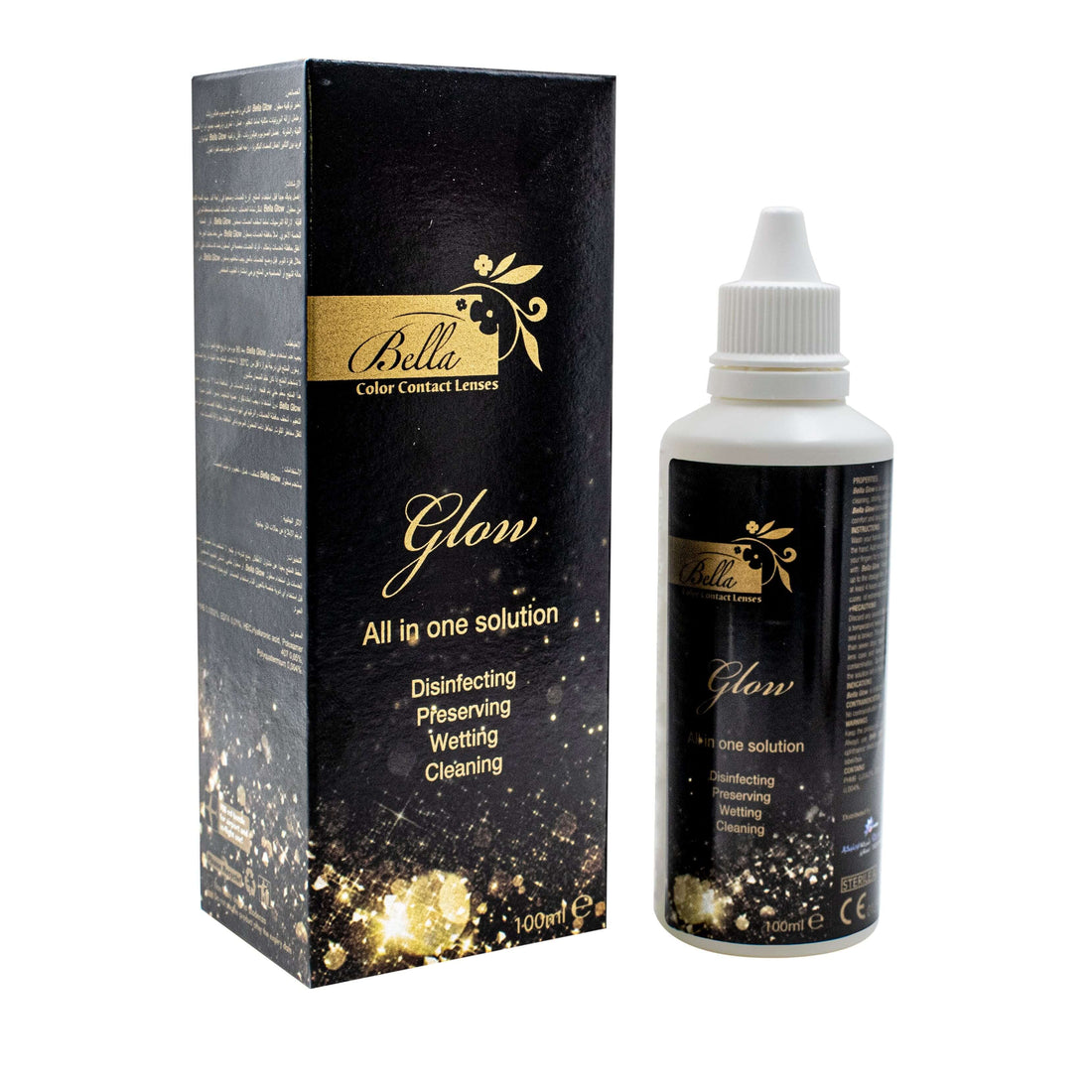
If the allergy stems from preservatives, switching to preservative-free hydrogen peroxide systems often provides relief. These systems neutralize fully and leave no residue on lenses.
Replace Lenses More Frequently
Daily disposable lenses greatly reduce protein and lipid buildup. For weekly or monthly lenses, more frequent replacement lowers the chances of deposit-related irritation.
Warm Compress & Eyelid Hygiene
Warm compresses help loosen debris and soothe eyelid inflammation. Lid scrubs remove allergens and reduce the risk of GPC caused by chronic buildup under the eyelid.
Together, these approaches help restore comfort and allow users to continue wearing contact lenses safely.

What Are the Best Contact Lenses for Sensitive or Allergy-Prone Eyes?
Users with reactive or sensitive eyes often search for hypoallergenic contacts or hypoallergenic contact lenses. While no lens is entirely hypoallergenic, some options significantly reduce reactions.
Daily Disposable Lenses (Highest Success Rate)
Daily disposables minimize allergen buildup and eliminate the need for preservatives in solutions. This makes them the gold standard for allergy-prone wearers.
Silicone Hydrogel vs Hydrogel - Which Is Better for Allergies?
Silicone hydrogel lenses offer high oxygen transmission, reducing dryness and inflammation. However, people sensitive to lipid deposits may prefer traditional hydrogel lenses, which attract fewer lipids. The best choice depends on individual tear chemistry.
FDA-Approved Lenses for Sensitive Eyes
Some lenses are FDA-cleared for sensitive or dry eyes. These lenses use moisture-retention polymers or smoother surfaces to reduce friction and allergic reactions.

How to Prevent Contact Lens Allergies
Preventing contact lens allergies begins with consistent hygiene. Rubbing and rinsing the lenses removes allergens and debris far more effectively than simply soaking them, and properly drying the case helps limit bacterial growth. Replacing the lens case every one to three months ensures fewer contaminants come into contact with the lenses.
Choosing preservative-free solutions is one of the strongest preventive measures for users with sensitive eyes, since it removes one of the most common triggers of allergic reactions. Managing seasonal allergies is equally important; using antihistamine drops, limiting outdoor exposure, and maintaining clean eyelids help keep pollen from becoming trapped under the lenses.
Avoiding overnight lens wear is another crucial step, as sleeping in contacts significantly reduces oxygen flow and increases inflammation. By applying these practices consistently, most people can avoid recurring symptoms and enjoy comfortable, long-term contact lens wear.
Final thoughts
Can you be allergic to contact lenses? You can indeed be allergic to contact lenses, though the source of the reaction varies from lens materials to preservatives, deposits, or seasonal allergens. Understanding the underlying cause ensures safe, comfortable wear and prevents complications such as GPC or chronic irritation. With proper lens selection, cleaning routines, and allergy management, most people with sensitive eyes can continue wearing contacts successfully.
FAQs - Can You Be Allergic to Contact Lenses?
Can you suddenly become allergic to contact lenses?
Yes. Allergies can develop over time due to preservative exposure, chronic deposits, or changes in the immune system.
Do daily contacts help with an eye allergy to contact lenses?
Yes. Daily disposables dramatically reduce protein buildup and eliminate preservative exposure.
Are silicone hydrogel lenses better for eye allergies and contacts lenses?
Often yes, due to higher oxygen flow, but people who accumulate lipids may prefer hydrogels.
Why do my eyes itch only when I wear contacts?
Deposits, solution preservatives, or trapped allergens can trigger itching exclusively during lens wear.
Can allergies cause blurry vision with contact lenses?
Yes. Inflammation and deposits distort vision and reduce lens stability.
Is GPC permanent?
No. GPC resolves with proper treatment, lens rest, and improved hygiene.
What is the difference between irritation and allergies with contacts?
Irritation is mechanical or dryness-based, while allergy involves an immune response with itching and inflammation.
Can seasonal allergies make contact lenses uncomfortable?
Yes. Pollen trapped under lenses intensifies redness, itching, and dryness during allergy season.