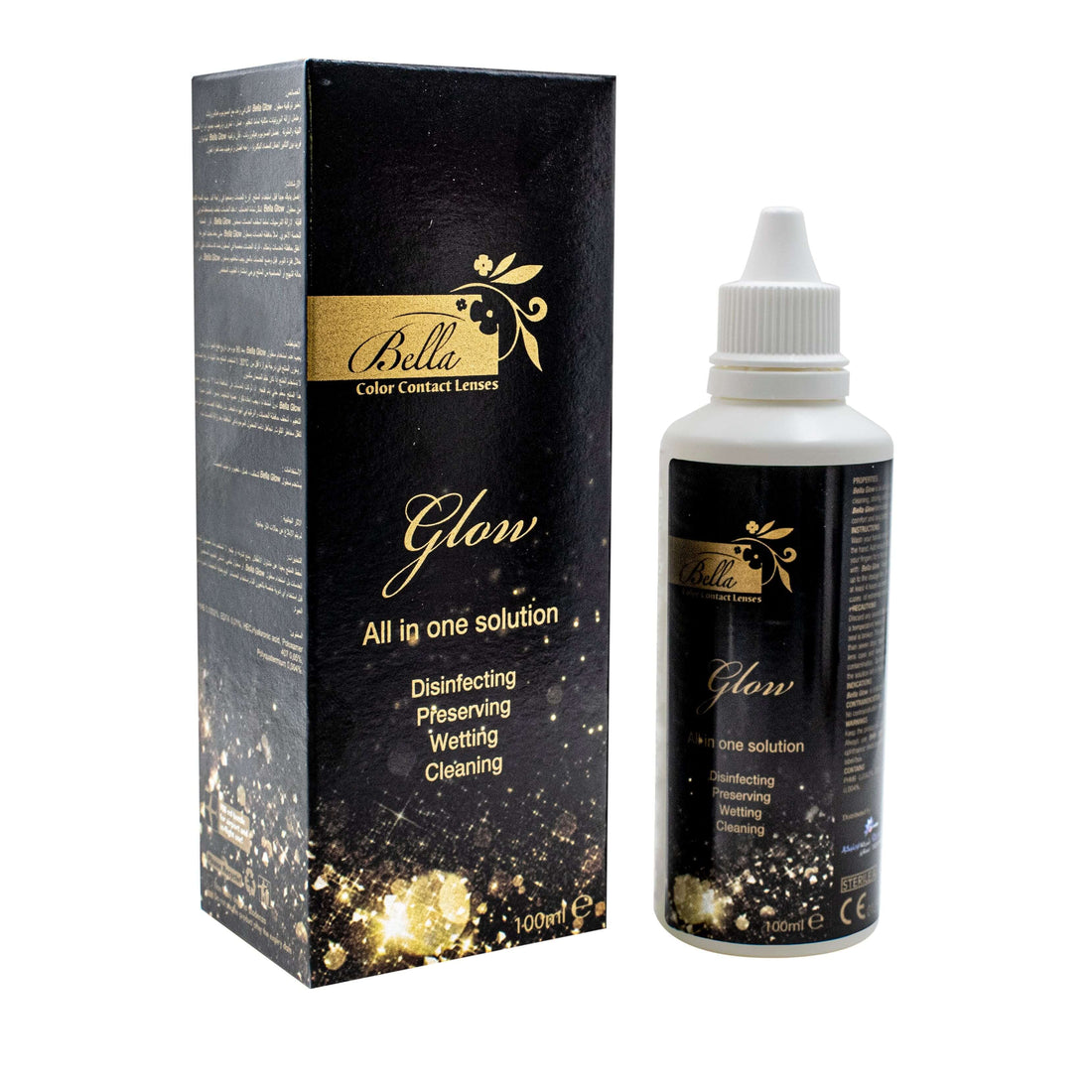

Buying colored contact lenses is a decision that combines aesthetic preference with eye health responsibility. While coloured lenses are often marketed as cosmetic accessories, in the UK they are legally classified as medical devices, meaning the wrong choice can affect not only comfort but also long-term eye health. Before purchasing, it’s important to understand the practical, medical, and regulatory factors that determine whether coloured contact lenses are safe and suitable for you.
Eye Health Comes Before Appearance
When purchasing coloured contact lenses, your eye health must remain the primary focus. Because a lens sits directly on the cornea, a highly sensitive surface that relies on a steady supply of oxygen from the atmosphere, the quality of the fit and material is paramount.
The Importance of Oxygen & Fit
Lenses that are poorly fitted or made from low-quality materials can restrict oxygen flow, leading to "suffocated" eyes. This often results in:
-
Dryness and Irritation: A gritty, uncomfortable sensation.
-
Inflammation: Redness that can lead to long-term sensitivity.
-
Serious Infection: Corneal ulcers or permanent damage if hygiene is neglected.
Why an Eye Exam is Non-Negotiable
Even if you have perfect 20/20 vision and are opting for non-prescription (plano) lenses, your eyes are unique. One size does not fit all. A professional eye examination with a qualified UK optician is essential to determine:
-
Base Curve (BC): The curvature of the lens must match the natural curve of your cornea to prevent it from being too tight or sliding around.
-
Diameter (DIA): The width of the lens ensures total coverage without pinching.
-
Material Compatibility: Some eyes require higher water content or silicone hydrogel for better breathability.
Skipping these professional measurements significantly increases the risk of discomfort and avoidable complications. At the end of the day, a stunning eye colour is only beautiful when the eyes themselves are healthy, white, and bright.

UK Legal and Safety Requirements
In the UK, all contact lenses including plano (non-prescription) coloured lenses , are regulated as medical devices. This means they must meet strict safety standards, and reputable sellers will operate in line with these regulations.
When considering where to buy coloured contact lenses, ensure the retailer:
-
Clearly identifies lenses as medical devices
-
Provides detailed product information
-
Encourages eye examinations
-
Avoids “one-size-fits-all” claims
Lenses sold through unregulated channels or novelty shops often lack proper quality control and are a leading cause of contact lens-related eye injuries.
Prescription vs Non-Prescription Colored Lenses
Another key consideration is whether you need prescription coloured lenses or non-prescription ones. Prescription lenses combine vision correction with colour enhancement, making them suitable for everyday wear. Non-prescription lenses change eye colour only, but they still require the same level of care and fitting.
Many buyers mistakenly believe non-prescription coloured lenses are harmless. In reality, poorly fitted lenses can scratch the cornea or trap bacteria, regardless of whether they correct vision.
Prescription Coloured Lenses (Corrective)
Designed for those who require vision correction alongside a style transformation. Whether you are short-sighted or long-sighted, these lenses are tailored to your specific optical power, ensuring you enjoy crystal-clear sight and stunning colour in one bespoke product.
Non-Prescription Coloured Lenses (Plano)
Often referred to as "Plano" lenses, these are purely cosmetic. They are perfect for those with naturally perfect vision who simply want to switch up their look. They offer the same premium comfort and vibrant pigments as our prescription range, but with zero power (0.00)
Choosing the Right Type of Colored Contact Lenses
Coloured contact lenses vary in design and purpose, and choosing the wrong type can lead to dissatisfaction or discomfort.
Enhancement Tints
Designed to intensify your natural eye colour rather than mask it. These lenses feature translucent layers that blend with your own iris, perfect for those seeking an understated, "no-makeup" look. They add depth and a healthy glow to light or medium-toned eyes.
Opaque Tints (High-Opacity)
The ideal choice if you are looking for a complete transformation. These lenses feature solid pigment patterns that fully cover your natural iris. They are the go-to option for those with dark eyes who wish to switch to striking shades of blue, green, or light grey.

Circle & Contour Lenses
Focusing on the limbal ring (the dark outer circle of the iris), these lenses create a "dolly-eyed" effect. By defining the edges of the eye, they make your gaze appear larger, brighter, and more youthful—a popular choice for a polished, wide-awake aesthetic.
Special Effect (SFX) & Party Lenses
From high-pigment cosplay styles to spooky Halloween designs, these lenses are for costume drama. They prioritize high-impact visuals and bold patterns, ensuring you make a memorable entrance at any themed event or party.
Wear Schedule: Daily vs Monthly Lenses
How often you plan to wear coloured contact lenses should influence your buying decision. Daily disposable coloured lenses are ideal for occasional use, such as events or nights out. They reduce hygiene risks because a fresh pair is used each time.
Monthly coloured lenses are more cost-effective for frequent wear but require disciplined cleaning and storage. Improper care is one of the most common causes of contact lens-related infections, making this an important consideration for long-term users.

Comfort, Oxygen Permeability, and Materials
Comfort is not just about how lenses feel when first inserted. High-quality coloured contact lenses are made from materials that allow sufficient oxygen to reach the eye, helping maintain corneal health throughout the day.
Lower-quality lenses may feel acceptable initially but cause dryness, redness, or blurred vision after several hours. This is particularly important if you plan to wear coloured lenses for extended periods.
Lifestyle and Usage Considerations
Your lifestyle plays a major role in determining whether coloured contact lenses are right for you. If you work long hours, use screens frequently, or spend time in air-conditioned environments, your eyes may be more prone to dryness.
Occasional wearers may benefit from daily lenses, while regular wearers should prioritise material quality and oxygen transmission. If you frequently forget to remove lenses before sleeping, coloured contact lenses which are rarely approved for overnight wear, may not be the safest option.
Coloured contact lenses may not be suitable for everyone. People with chronic dry eye, frequent eye infections, or certain corneal conditions should consult an optometrist before considering lenses. Discomfort, redness, or blurred vision should never be ignored.
First-time contact lens users should always seek professional advice rather than experimenting with cosmetic lenses independently.