
Key Takeaways:
- Removing contact lenses for the first time requires clean hands, proper technique, and a calm approach to ensure eye safety and lens integrity.
- The pinch-and-slide method is the most common technique for soft contact lenses, while alternative methods exist for those with long nails or sensitivity to pinching.
- Proper preparation including handwashing, setting up your workspace, and understanding your lens type makes the removal process significantly easier.
- Common challenges like stuck lenses, blinking reflexes, and discomfort can be overcome with patience and the right techniques.
- Regular practice and following proper lens care protocols will make removal feel natural within days of starting your contact lens journey.
Taking out your contact lenses might feel intimidating at first, but learning how to remove contact lenses for the first time is a straightforward process that becomes second nature with practice. Whether you've just received your first pair of natural colored contact lenses or clear vision lenses, mastering proper removal technique protects your eyes and extends the life of your lenses. This comprehensive guide walks you through everything you need to know about safely removing your contacts, including specialized techniques for different situations and lens types.
Understanding Your Contact Lenses Before Removal
Before you attempt to remove your lenses, understanding what type of contact lenses you're wearing makes the process considerably easier. Soft contact lenses are the most common type worn by beginners and casual users. These flexible, water-containing lenses conform to the shape of your eye and are generally easier to remove than rigid gas permeable lenses. Most colored contact lenses, including popular options like hazel honey contact lenses or gray contact lenses, are soft lenses designed for comfortable daily wear.
Knowing your lens replacement schedule also matters for removal technique. Daily disposable lenses are removed and discarded each evening, while monthly lenses require careful removal and storage in fresh solution. The material composition of your lenses affects how they feel on your eye and how easily they release from the eye surface. Higher water content lenses may feel more delicate during removal, while silicone hydrogel lenses often have more structure and resistance.
Step-by-Step: Preparing for Safe Contact Lens Removal
Proper preparation significantly reduces the risk of eye irritation or lens damage during removal. Follow these essential steps before attempting to touch your lenses:
Step 1: Wash your hands thoroughly with antibacterial soap and warm water, scrubbing for at least twenty seconds to eliminate bacteria and oils that could contaminate your lenses.
Step 2: Rinse your hands completely under running water, ensuring no soap residue remains that could irritate your eyes or make lenses slippery.
Step 3: Dry your hands with a lint-free towel, patting rather than rubbing to avoid leaving fabric particles on your fingers that could transfer to your lenses.
Step 4: Set up your workspace in front of a well-lit mirror, preferably one that magnifies slightly to help you see your eye more clearly during the removal process.
Step 5: Prepare your contact lens case by emptying any old solution and filling each compartment with fresh multipurpose solution, never reusing yesterday's solution.
Step 6: Place a clean tissue or towel on your workspace surface where you can rest your hand or catch a lens if it falls during removal.
Step 7: Remove any eye makeup if you're wearing cosmetics, or plan to remove your contacts first to prevent makeup particles from getting trapped under the lens during the process.
Step 8: Check that your fingernails are trimmed and smooth, with no jagged edges that could scratch your cornea or tear the delicate lens material.

Step-by-Step: How to Remove Soft Contact Lenses Using the Pinch Method
The pinch-and-slide technique remains the most widely recommended method for how to remove soft contact lenses safely and effectively. Follow these detailed steps for successful removal:
Step 1: Position yourself comfortably in front of your mirror with adequate lighting, ensuring you can clearly see your entire eye and the contact lens surface.
Step 2: Look straight ahead into the mirror, focusing on keeping both eyes open wide to minimize your natural blinking reflex during the procedure.
Step 3: Use your non-dominant hand to hold your upper eyelid firmly open by placing your index or middle finger against your eyebrow bone and gently pulling upward.
Step 4: With your dominant hand, pull down your lower eyelid using your middle finger, creating maximum exposure of the lens and preventing your eye from closing.
Step 5: Using the pad of your index finger on your dominant hand, gently touch the lower edge of the contact lens with a light, confident touch.
Step 6: Slide the lens downward toward the white part of your eye using gentle pressure, which breaks the seal between the lens and your cornea without applying force to the sensitive central area.
Step 7: Once the lens is positioned on the white part of your eye, gently pinch it between your thumb and index finger using just the soft pads of your fingertips.
Step 8: The lens should fold slightly between your fingers and release from your eye completely, at which point you lift it away and place it in your palm for inspection.
Step 9: Examine the lens briefly to ensure it's intact with no tears or damage, then either discard it if it's a daily lens or proceed to cleaning if it's reusable.
Step 10: Repeat the entire process with your second eye, taking your time and maintaining the same careful technique you used for the first lens.
If the lens doesn't come out on your first attempt, blink several times to rehydrate the surface, add rewetting drops if available, and repeat the process after giving your eye a brief rest.
Step-by-Step: How to Remove Contact Lenses Without Pinching
For those who find the pinching method uncomfortable or difficult, this alternative technique for how to remove contact lenses without pinching offers an effective solution:
Step 1: Wash and dry your hands thoroughly following the same preparation steps outlined in the previous section.
Step 2: Position yourself in front of your mirror and tilt your head back slightly, looking up toward the ceiling to expose more of your lower eye area.
Step 3: Use your non-dominant hand to hold your upper eyelid firmly against your brow bone, preventing any involuntary blinking during the removal process.
Step 4: Pull your lower eyelid down with the middle finger of your dominant hand, creating a wide opening that gives you clear access to the lens.
Step 5: Place the pad of your index finger from your dominant hand on the very bottom edge of the contact lens, making gentle but firm contact.
Step 6: Slide the lens gently downward and slightly outward toward your lower eyelid using steady, controlled pressure that moves the lens without forcing it.
Step 7: As you slide the lens down, maintain constant light pressure until the lens bunches up slightly and moves fully onto the white part of your eye.
Step 8: Continue the sliding motion until the lens releases naturally from your eye surface and either falls out or can be easily scooped onto your fingertip.
Step 9: Use a gentle sweeping motion with your index finger to catch the lens as it comes loose, guiding it into your palm for disposal or cleaning.
Step 10: Inspect the lens to confirm it's intact and repeat the process with your other eye using the same patient, methodical approach.
This technique requires slightly more practice than pinching but eliminates the need to grasp the lens between two fingers, which some beginners find challenging with elite contact lenses or other premium lens types.
Step-by-Step: How to Remove Contact Lenses with Long Nails
Learning how to remove contact lenses with long nails presents unique challenges, but this specialized technique makes the process safe and manageable:
Step 1: Complete all standard hand washing and workspace preparation steps, paying extra attention to ensuring no dirt or debris is trapped under your nails.
Step 2: Position your hands so your fingers approach your eye at a forty-five-degree angle rather than perpendicular, which keeps your nails away from your eye surface.
Step 3: Hold your upper eyelid open with your non-dominant hand while pulling your lower lid down with your dominant hand, using the sides of your fingers rather than the tips.
Step 4: Touch the bottom edge of the contact lens with the pad of your index finger, keeping your nail angled away from your eyeball at all times.
Step 5: Slide the lens down onto the white part of your eye using only the soft pad of your finger, maintaining the angle that prevents nail contact.
Step 6: Once the lens is on the white part of your eye, position both your index finger and thumb pads on opposite edges of the lens.
Step 7: Gently squeeze the lens between the pads of your fingers, using a light pinching motion that folds the lens without allowing your nails to scratch your eye.
Step 8: Lift the folded lens away from your eye surface carefully, keeping your nails pointed outward rather than toward your eyeball throughout the motion.
Step 9: Place the removed lens in your palm and inspect it for any damage that might have occurred during removal with your longer nails.
Step 10: If you find the standard method too challenging, consider using a specialized contact lens removal tool or moistened cotton swab as an alternative that eliminates finger contact entirely.
For those with very long or sharp acrylic nails, the cotton swab method offers excellent results. Simply moisten a clean cotton swab with sterile saline, gently touch it to the center of your lens, and the lens will adhere to the swab for easy removal without any nail contact with your eye.

Step-by-Step: Troubleshooting Stuck or Difficult Lenses
When your lens won't budge despite following standard removal techniques, this systematic troubleshooting approach helps resolve the issue:
Step 1: Stop attempting removal immediately if you feel pain or significant resistance, as forcing a stuck lens can damage your cornea.
Step 2: Apply three to four drops of rewetting solution or preservative-free artificial tears directly onto your eye while looking up at the ceiling.
Step 3: Close your eye gently and roll your eyeball in circular motions for thirty seconds, which distributes the solution under and around the lens.
Step 4: Blink slowly and deliberately ten to fifteen times to encourage natural tear production and further hydrate the lens surface.
Step 5: Wait a full minute before attempting removal again, giving the solution adequate time to break the suction seal between lens and cornea.
Step 6: Try looking in different directions during your next removal attempt—up, down, left, and right—to help reposition a lens that may have decentered on your eye.
Step 7: If the lens still won't move, repeat the rewetting solution application and wait another minute before trying a different removal technique than you used initially.
Step 8: Check whether your fingers are too wet or too dry, as proper moisture balance is essential for gripping slippery lens material effectively.
Step 9: Pat your fingertips lightly with a clean towel to achieve the ideal dampness level—not dripping wet but not completely dry either.
Step 10: If you've attempted removal multiple times without success over a fifteen-minute period, contact your eye care professional or visit an emergency optometry clinic for assistance rather than continuing to struggle.
Understanding that dryness is the most common cause of stuck lenses helps prevent this issue. Many wearers of daily contact lenses experience easier removal when they apply rewetting drops five minutes before their planned removal time.
Step-by-Step: Overcoming the Blink Reflex
The involuntary blink reflex frustrates many first-time contact lens users and makes removal feel impossible. Follow this progressive desensitization approach:
Step 1: Practice the eyelid-holding technique without attempting actual lens removal, simply getting comfortable with fingers near your eyes.
Step 2: Stand in front of your mirror and use one hand to hold your upper eyelid against your brow bone for ten seconds without blinking.
Step 3: Repeat this exercise with your lower eyelid, pulling it down gently and holding the position while resisting the urge to blink.
Step 4: Progress to holding both eyelids open simultaneously for twenty seconds, focusing on a fixed point in the mirror to distract from the sensation.
Step 5: Practice bringing your clean index finger close to your eye without actually touching it, stopping just short of contact to build tolerance.
Step 6: Take slow, deep breaths during these practice sessions, as controlled breathing helps override your body's automatic protective reflexes.
Step 7: When ready to attempt actual removal, count slowly to three before touching your eye, using this mental preparation to signal your brain that contact is intentional.
Step 8: Start your removal motion immediately after the count rather than hesitating, as hesitation gives your blink reflex time to activate.
Step 9: If you blink before completing removal, don't become frustrated—simply restart the process calmly with fresh determination and awareness.
Step 10: Practice this routine twice daily even when not removing lenses, as consistent desensitization training accelerates your progress toward comfortable, reflex-free removal.
Most people notice significant reduction in their blink reflex within three to five days of dedicated practice, at which point removal becomes smooth and natural.
Step-by-Step: Post-Removal Care and Lens Storage
What you do immediately after removing your contact lenses matters just as much as the removal technique itself. Follow these essential aftercare steps:
Step 1: If you're wearing daily disposable lenses, inspect the lens briefly for tears or damage, then discard it directly in the trash rather than flushing it down any drain.
Step 2: For reusable monthly or bi-weekly lenses, place the first removed lens in the palm of your non-dominant hand immediately after removal.
Step 3: Apply three to four drops of multipurpose solution directly onto the lens sitting in your palm, ensuring complete coverage of the lens surface.
Step 4: Use your index finger to gently rub the lens in your palm using circular motions for twenty seconds, which removes protein deposits and daily debris.
Step 5: Flip the lens over in your palm and repeat the rubbing process for another twenty seconds on the opposite side for thorough cleaning.
Step 6: Rinse the lens thoroughly with fresh multipurpose solution, holding it under a steady stream from your bottle for five seconds per side.
Step 7: Place the cleaned lens in the appropriate side of your contact lens case, using the marked compartments to keep left and right lenses separate.
Step 8: Fill the case compartment completely with fresh solution until the lens is fully submerged, never topping off old solution or reusing yesterday's liquid.
Step 9: Repeat steps two through eight with your second lens, maintaining the same careful cleaning routine for consistent lens care quality.
Step 10: Close your lens case securely and store it in a clean, dry location away from bathroom moisture that could promote bacterial growth.
Step 11: Rinse your empty lens case with fresh multipurpose solution and leave it open upside-down on a clean tissue to air dry completely.
Step 12: Wash your hands one final time after handling your contacts to remove any solution residue that could irritate your skin or eyes.
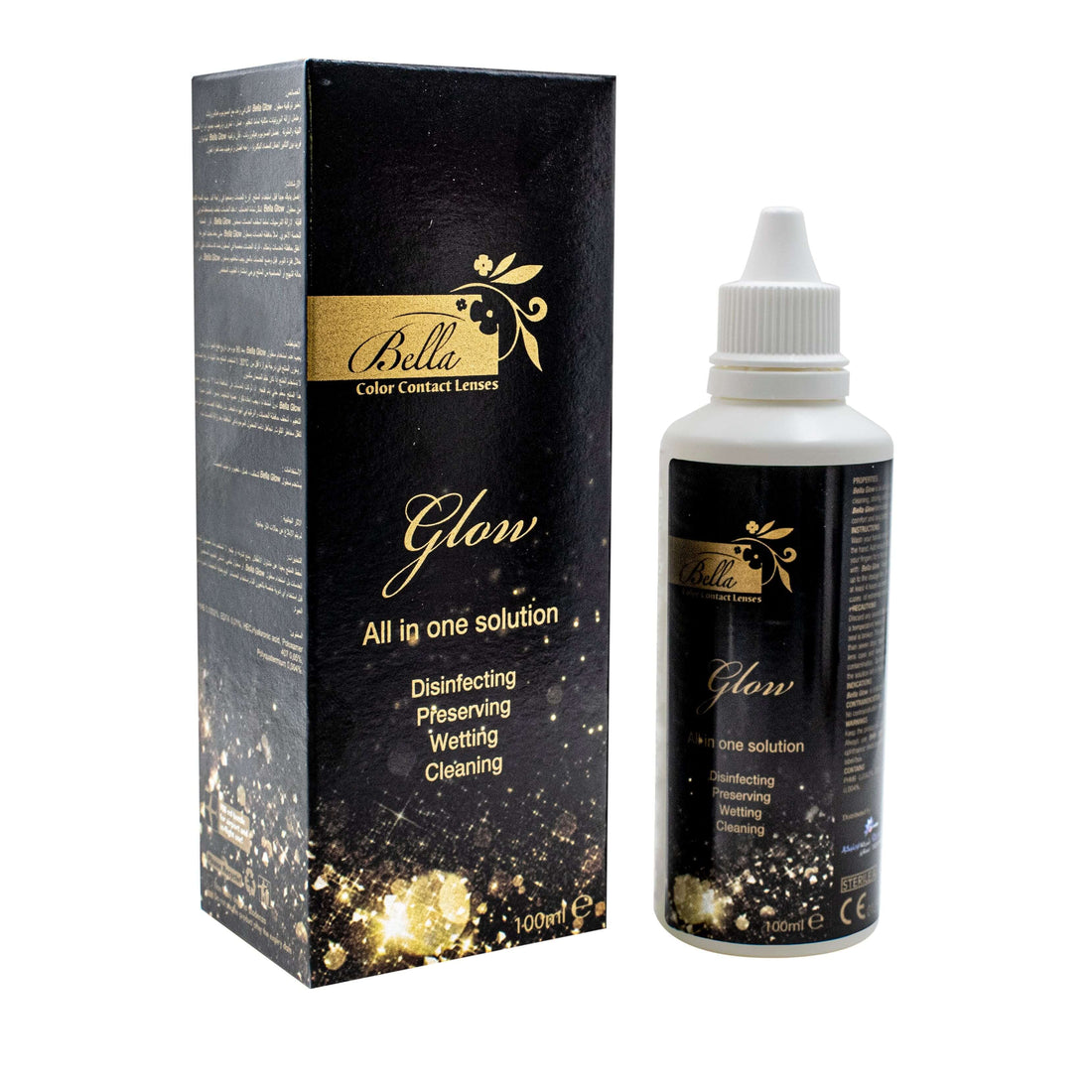
Consider using a premium solution like exclusive solution specifically formulated for optimal lens care and comfort, which can significantly improve your next-day wearing experience.
Step-by-Step: Special Considerations for Colored Contact Lens Removal
Removing colored contact lenses follows the same basic principles as clear lenses, but these additional steps ensure you maintain the beauty and functionality of your cosmetic lenses:
Step 1: Wash your hands even more thoroughly than usual when handling colored lenses, as pigmented lenses show dirt and oil residue more visibly.
Step 2: Use extra gentle pressure during removal of lenses like blue contact lenses or green contact lenses, as printed pigments can be more delicate than clear lens material.
Step 3: Employ the pinch-and-lift method rather than sliding colored lenses extensively across your eye, which minimizes friction against the pigmented layer.
Step 4: After removal, hold the lens up to good lighting and inspect both sides carefully for any tears, especially around edges where pigment printing may create weak points.
Step 5: Check that the color pattern remains intact with no fading, streaking, or pigment loss that could indicate lens degradation or damage.
Step 6: If storing reusable colored lenses, ensure they're placed colored-side up in your case to prevent the pigment from rubbing against the case bottom.
Step 7: Use only recommended multipurpose solutions with your colored lenses, as some harsh solutions can potentially affect color quality over extended use.
Step 8: Never rinse colored contacts with tap water, which can cause bacterial contamination and may interact chemically with certain pigment formulations.
Step 9: For specialty lenses from collections like party collection, follow any specific manufacturer instructions regarding removal timing and technique.
Step 10: Replace colored contact lenses according to their designated schedule without attempting to extend wear, as aging colored lenses may shed pigment particles that irritate eyes.
These careful handling practices ensure your colored lenses maintain their vibrant appearance and remain safe for wear throughout their recommended lifecycle.
Step-by-Step: Building Confidence Through Practice
Mastering contact lens removal requires patience and consistent practice. Follow this progressive learning approach:
Step 1: Set aside fifteen extra minutes during your first week of lens wear specifically for unhurried removal practice without time pressure.
Step 2: Choose to practice removal during daylight hours when you're alert and relaxed rather than late at night when you're tired and impatient.
Step 3: Keep a simple journal noting how long removal takes each day and which techniques work best for your individual needs and preferences.
Step 4: Celebrate small victories mentally, such as successfully removing a lens on the first try or completing the process faster than the previous day.
Step 5: If you struggle on a particular day, remind yourself that skill regression is normal and tomorrow's attempt will likely be easier with renewed focus.
Step 6: Watch instructional videos from reputable sources before attempting removal each day during your first week to reinforce proper technique mentally.
Step 7: Practice the hand motions without wearing lenses, mimicking the removal process in front of a mirror to build muscle memory.
Step 8: Ask a family member or friend to observe your technique and provide feedback, as external perspective sometimes catches habits you don't notice yourself.
Step 9: If you continue struggling after five days of honest practice, schedule a follow-up appointment with your eye care professional for hands-on guidance.
Step 10: Remember that everyone learns at their own pace, and initial difficulty with removal doesn't predict your long-term success with contact lens wear.
Most beginners achieve comfortable proficiency within three to five days, with removal becoming as automatic as any other daily hygiene routine within two weeks of consistent practice.
Step-by-Step: When to Seek Professional Help
Understanding when normal removal difficulty crosses into concerning territory protects your eye health. Follow these guidelines:
Step 1: Make note of how long you've been attempting removal—if you've tried for more than fifteen minutes without success, stop and seek help.
Step 2: Assess whether you're experiencing any pain beyond mild discomfort, as sharp or severe pain indicates you should stop immediately.
Step 3: Check your eye in the mirror for unusual redness, especially if it's concentrated in one area rather than generalized light pinkness.
Step 4: Notice whether your vision has changed during removal attempts, as sudden blurriness or distortion may indicate corneal involvement.
Step 5: If you see any discharge, excessive tearing beyond normal moisture, or notice your eye feels hot, these are signs requiring professional evaluation.
Step 6: Contact your eye care professional's office during business hours if you're simply struggling with technique and need coaching or reassurance.
Step 7: Visit an emergency optometry clinic or hospital emergency department if you experience severe pain, sudden vision loss, or believe you've injured your eye.
Step 8: Never attempt to sleep in contact lenses not designed for extended wear, even if removal seems impossible—seek professional help instead.
Step 9: If you successfully remove one lens but the second seems stuck, apply rewetting drops and try gentle removal once more before seeking assistance.
Step 10: Schedule regular follow-up appointments with your eye care professional even after mastering removal, as ongoing monitoring ensures continued eye health.
Seeking help when needed demonstrates responsible contact lens wear and prevents minor issues from developing into serious complications.
Frequently Asked Questions
How long does it take to get used to removing contact lenses for the first time?
Most people become comfortable removing contact lenses within three to five days of consistent practice, though individual learning curves vary. The key is practicing daily with clean hands and proper technique, allowing your natural blink reflex to diminish as you become accustomed to the sensation. Within two weeks, removal typically becomes as routine as any other daily hygiene task.
What should I do if my contact lens won't come out?
If your lens feels stuck, apply several drops of rewetting solution or artificial tears and wait thirty seconds before trying again. Look in different directions to help reposition the lens, and ensure you're holding your eyelids wide open. If the lens remains stuck after multiple gentle attempts with proper hydration, contact your eye care professional rather than continuing to struggle, as they can safely remove it and check for underlying causes.
Can I damage my eye while removing contact lenses?
While proper removal technique is very safe, aggressive or improper removal can potentially cause corneal abrasions or irritation. Always use clean hands, trim your nails if necessary, and employ gentle techniques like the pinch-and-slide method. If you experience pain, severe redness, or vision changes after removal, consult your eye care professional immediately to rule out injury.
Is it normal for removal to be harder than insertion?
Many beginners find removal more challenging than insertion initially because removal requires grasping a thin, slippery lens while managing your blink reflex. With practice, most people find removal becomes easier than insertion within a week or two. The key difference is that insertion is a single quick motion, while removal requires sustained eyelid control and precise finger positioning.
How can I remove my contacts if I have short nails?
Short nails actually make contact lens removal easier for most people, as you'll naturally use the pads of your fingers rather than your nails. Focus on the pinch-and-slide method, using the soft pads of your thumb and index finger to gently grasp the lens after sliding it onto the white part of your eye. Slightly damp fingers provide better grip than completely dry ones, so pat your hands with a towel after washing without drying them completely.