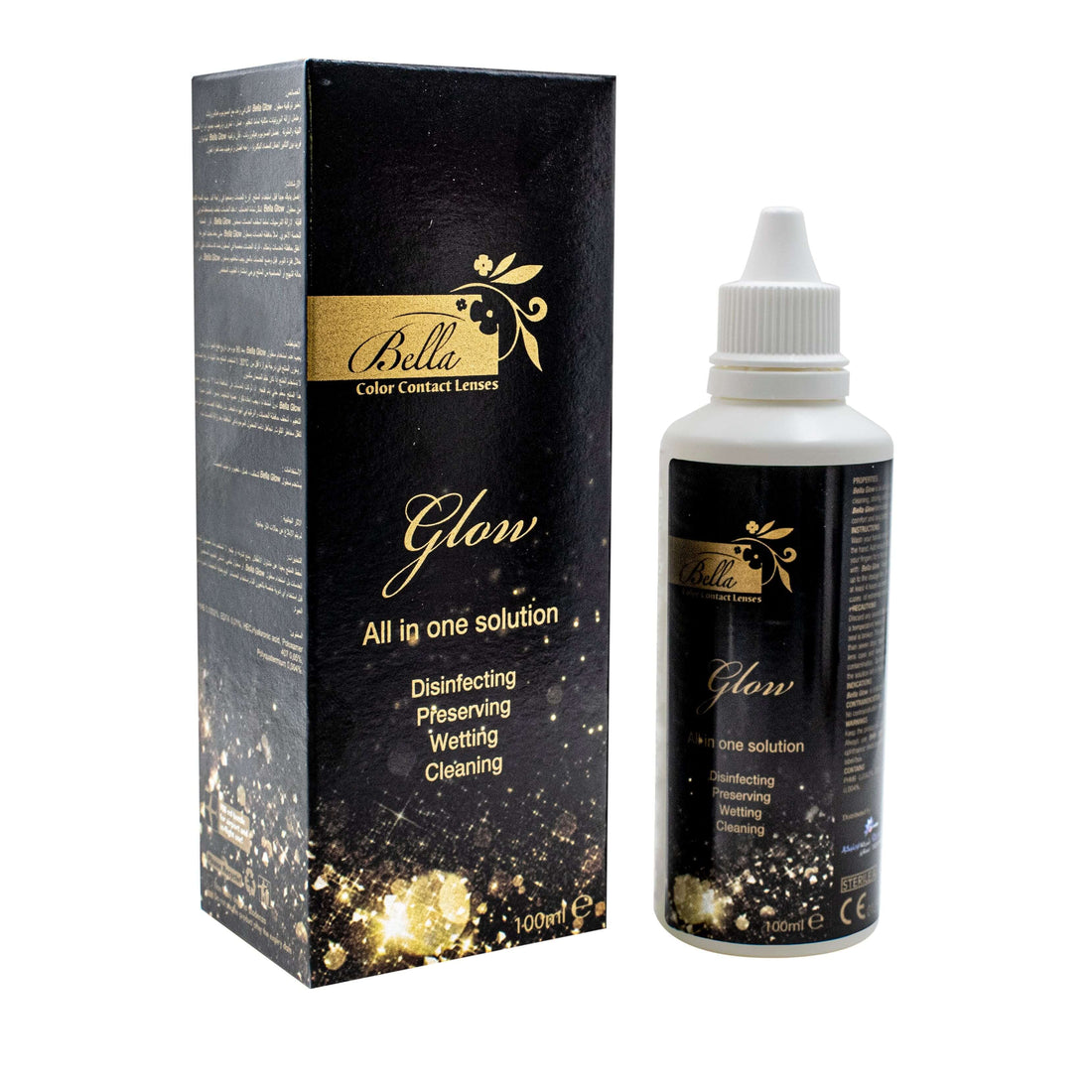

Contact lenses are medical vision devices that correct refractive errors while resting directly on the tear film covering the cornea. Daily disposable and monthly reusable contact lenses differ in replacement schedules, hygiene requirements, oxygen permeability, moisture retention, maintenance routines, and long-term cost-effectiveness. These differences directly affect eye comfort, visual clarity, and corneal health.
Daily contact lenses provide a fresh sterile lens every day without requiring cleaning or storage. Monthly contact lenses are made from durable materials designed for repeated wear over 30 days, provided they are properly disinfected and stored. Both lens types support prescription correction and cosmetic enhancement, including coloured contact lenses and silicone hydrogel lenses.
Eye care professionals from the American Optometric Association and the Centers for Disease Control and Prevention emphasise proper lens hygiene because poor maintenance increases the risk of microbial keratitis, corneal irritation, and protein deposit buildup.
The choice between daily and monthly contact lenses depends on lifestyle, eye sensitivity, wearing frequency, maintenance preferences, and long-term budget considerations.
Understanding Daily and Monthly Contact Lenses
Daily disposable contact lenses are single-use lenses designed to be worn once and discarded at the end of the day. Users open a fresh, sterile pair every morning, eliminating the need for cleaning solutions or storage cases. Eye care professionals often recommend daily lenses for people who prioritise convenience and hygiene.
Monthly contact lenses are reusable lenses intended for up to 30 days of wear. Users must clean, disinfect, and properly store them each night using contact lens solution. Monthly lenses are commonly chosen by full-time lens wearers because they can be more cost-effective over time.
Both lens types are available in prescription and coloured lens options. Many premium collections combine vision correction with cosmetic enhancement, allowing users to achieve both visual clarity and style.
|
Feature |
Daily Contact Lenses |
Monthly Contact Lenses |
|
Wear Duration |
One day |
Up to 30 days |
|
Cleaning Requirements |
None |
Daily cleaning required |
|
Cost Over Time |
Higher |
Lower for regular users |
|
Convenience |
Very high |
Moderate |
|
Hygiene Level |
Excellent |
Depends on maintenance |
Understanding these core differences between contact lenses, monthly vs daily, makes it easier to compare comfort, lifestyle suitability, and long-term value.

Contact Lenses Daily vs Monthly: What’s the Main Difference?
The debate around daily contact lenses vs monthly options usually comes down to replacement schedules, maintenance, and convenience. While both types can provide clear vision and comfortable wear, they are designed for different routines and user preferences.
Replacement Schedule
Daily contact lenses are single-use lenses that users discard after one day of wear. Every morning starts with a fresh, sterile pair, making them highly convenient and hygienic. Monthly lenses, by comparison, are reusable and designed to last for up to 30 days with proper care. Users remove, clean, and store them each night before wearing them again the next day.
Understanding how long coloured contacts last is essential for safe and cost-effective wear.
Cleaning and Maintenance
One of the biggest differences between monthly and daily contact lenses is the level of maintenance involved. Daily lenses require no cleaning solutions or storage cases because they are disposed of immediately after use. Monthly lenses require consistent cleaning and disinfection routines to maintain comfort and eye health. Users must also replace lens cases regularly and follow hygiene instructions carefully.
Material and Durability
Monthly lenses use more durable materials because they must withstand repeated wear and cleaning cycles. Manufacturers often design them with higher durability and moisture retention.
Daily lenses prioritise freshness and convenience. The thinner lens structure can feel lighter and more breathable for some users.
Lifestyle Flexibility
Lifestyle often determines which lens type feels more practical. Daily lenses work well for travellers, athletes, and occasional wearers because they eliminate the need for maintenance. Monthly lenses are often preferred by full-time wearers seeking a more cost-effective option for everyday wear.
The right choice depends on routine, comfort preferences, and eye sensitivity.
Pros and Cons of Daily Contact Lenses
Daily disposable lenses are popular because they simplify lens wear and improve hygiene.
Advantages of Daily Lenses
Daily contact lenses offer several advantages in terms of hygiene, convenience, and ease of use. Because a fresh sterile pair is worn each day, daily disposable lenses reduce the risk of protein buildup, debris accumulation, and exposure to allergens that can collect on reusable lenses over time. This simplified replacement cycle also removes the need for cleaning solutions and storage cases.
Many people find daily lenses more convenient for busy schedules because no lens maintenance is required after wear. Daily disposables are also popular for travel, sports, and occasional lens wear since users can simply discard the lenses after use. Eye care professionals often recommend daily lenses for people with sensitive eyes because fresh lenses may help reduce irritation associated with deposits and environmental particles.
Coloured Daily Contact Lenses also provide cosmetic convenience. Users can occasionally change their eye colour without committing to a monthly replacement cycle.
Disadvantages of Daily Lenses
Despite their convenience, daily contact lenses also have some limitations. One of the main disadvantages is the higher long-term cost than monthly or biweekly lenses, since a new pair must be used every day. For full-time contact lens wearers, the ongoing expense can become significantly higher over several months or years.
Daily disposable lenses also generate more packaging waste because of individually sealed lens packs. In some cases, certain speciality prescriptions or advanced lens parameters may have fewer options available in daily disposable formats, depending on the brand.
Even with these limitations, many users still consider the added hygiene, comfort, and convenience worth the higher cost. Fresh daily lenses often provide better comfort for people prone to dryness, irritation, or allergy-related sensitivity. The growing availability of premium daily coloured contact lenses has also expanded cosmetic options for users seeking both vision correction and aesthetic flexibility.

Pros and Cons of Monthly Contact Lenses
Monthly lenses remain a popular choice among regular contact lens wearers because they combine durability with affordability.
Advantages of Monthly Lenses
Monthly Coloured Contact Lenses offer several practical benefits, especially for people who wear lenses daily. One of the main advantages is cost efficiency, as a single pair is designed for repeated use throughout the month when properly cleaned and maintained. This often makes monthly lenses more economical for long-term daily wear compared to disposable daily lenses.
Monthly lenses are also available in a wider range of prescription strengths, speciality designs, and advanced vision correction options. Their more durable materials are designed to withstand extended daily wear while maintaining the lens's structure and stability. Many modern monthly lenses, including premium coloured contact lenses, now use breathable materials and moisture-management technologies that help improve comfort throughout the day.
Disadvantages of Monthly Lenses
The biggest challenge with monthly contact lenses is ongoing maintenance. Users must follow consistent cleaning and storage routines to help prevent protein deposits, debris buildup, and irritation from developing on the lens surface over time. Monthly lenses also require lens cases and cleaning solutions, which add extra steps to the daily routine.
If proper care instructions are ignored, monthly lenses may pose a higher risk of eye irritation or infection than daily disposable lenses. Failing to replace lenses on schedule can also negatively affect comfort, lens performance, and overall eye health.
When comparing monthly contact lenses vs daily options, many people choose monthly lenses because they are more affordable for regular wear. Others prefer daily disposable lenses because they offer greater simplicity and reduced maintenance. Proper lens hygiene remains essential for maintaining comfort, safety, and long-term lens performance regardless of lens type.

Which Option Is More Comfortable for Your Eyes?
Contact lens comfort depends on several factors, including moisture retention, oxygen flow, eye sensitivity, lens material, wearing habits, screen exposure, and environmental dryness. Individual tear production and lens care routines also influence how lenses feel throughout the day.
Daily Disposable Lenses
Daily disposable lenses often feel more comfortable because users wear a completely fresh lens every day. Fresh lenses contain fewer deposits, allergens, and surface particles, which may help reduce irritation and dryness. Many people with sensitive or dry eyes prefer daily lenses because the clean lens surface and lightweight material can provide more consistent comfort.
Monthly Contact Lenses
Monthly contact lenses may initially feel slightly thicker because they are designed for repeated use and greater durability. However, many modern monthly lenses now include advanced hydration technologies and highly breathable materials that enhance moisture retention and oxygen permeability during extended wear.
Daily Lenses
Daily lenses may work better for allergy sufferers, people with sensitive eyes, and occasional wearers who want maximum convenience and hygiene.
Monthly Lenses
Monthly lenses are often better suited for consistent daily users, longer wear schedules, and people who require speciality prescription options. An eye care professional can help determine which lens type best supports long-term comfort, vision quality, and eye health.
Read more: How To Care Your Contact Lens For Eye Health and Lens Longevity
Cost Comparison: Daily vs Monthly Contact Lenses
Cost is often a major deciding factor when comparing daily vs monthly contact lenses.
|
Cost Factor |
Daily Lenses |
Monthly Lenses |
|
Upfront Cost |
Lower initially |
Moderate |
|
Long-Term Expense |
Higher |
Lower |
|
Cleaning Solution |
Not required |
Required |
|
Lens Cases |
Not required |
Required |
|
Replacement Frequency |
Every day |
Every month |
Daily lenses usually cost more over time because users need a new pair each day. However, they eliminate the need for cleaning products and storage accessories.
Monthly lenses typically provide better long-term value for people who wear contacts every day. Even after adding cleaning solution costs, reusable lenses are often more economical.
Occasional wearers may actually spend less on daily lenses because they only open lenses when needed.
When evaluating contact lenses daily vs monthly, many users balance cost against convenience. Premium lens quality also matters. Higher-quality lenses often include:
-
Better moisture retention
-
Improved oxygen transmission
-
Enhanced comfort technologies
Investing in quality lenses may improve comfort and reduce irritation over time.
Hygiene and Eye Health Considerations
Maintaining proper hygiene is essential for protecting eye health, preventing irritation, and ensuring long-term comfort when wearing either daily or monthly contact lenses.
Why Daily Lenses Are Often Considered More Hygienic?
Daily disposable lenses are often considered more hygienic because users discard them after each use and replace them with a fresh, sterile pair the next day. This replacement cycle helps reduce exposure to bacteria, allergens, protein deposits, and debris that can accumulate on reusable lenses over time.
Unlike reusable lenses, daily lenses do not require overnight storage, cleaning solutions, or lens cases. Fewer handling steps may help reduce the risk of contamination from improper cleaning habits or poor lens case hygiene. Besides, daily disposable lenses also reduce deposit buildup because a new lens surface is used every day. This may help improve comfort and reduce irritation for people with sensitive eyes, allergies, or dryness.
Many eye care professionals recommend daily disposable lenses for patients prone to allergies, eye irritation, or contact lens-related infections, as fresh lenses help minimise long-term exposure to contaminants and surface deposits.

How to Safely Wear Monthly Lenses
Monthly contact lenses can still be safe and healthy when users consistently follow proper cleaning and maintenance routines. Good lens hygiene helps reduce the risk of irritation, contamination, and deposit buildup that may affect comfort and eye health over time.
Users should wash their hands thoroughly before handling contact lenses and use a fresh disinfecting solution each day to properly clean and store the lenses. Reusing old solutions or skipping cleaning routines may increase bacterial exposure and reduce lens performance.
Lens cases should be replaced regularly to help minimise the risk of contamination. Users should also strictly follow the manufacturer’s recommended replacement schedule, as wearing monthly lenses beyond their intended timeframe may increase irritation, dryness, and the risk of infection.
Users should never rinse or store contact lenses in tap water because water may contain harmful microorganisms that can lead to serious eye infections. Proper lens care habits remain essential for maintaining comfort, hygiene, and long-term eye safety.
Common Mistakes to Avoid
These safety practices apply to both coloured contact lenses and prescription contact lenses. Eye care professionals also recommend regular eye examinations to ensure that contact lenses continue to fit properly and to support healthy, long-term vision.
Sleeping in Contact Lenses May Increase Eye Health Risks
Sleeping in contact lenses without professional approval may increase the risk of eye irritation, dryness, inflammation, and infection because oxygen flow to the eyes can become more restricted during extended wear.
Read more: Contact Lenses You Can Sleep In: Types, Risks & Who They Are Right For
Expired Solution and Poor Lens Hygiene Can Cause Contamination
Using expired disinfecting solution or failing to clean lenses properly may increase bacterial contamination and reduce the effectiveness of lens disinfection routines.
Wearing Lenses Beyond the Recommended Schedule Can Affect Comfort
Extending replacement schedules for daily, biweekly, or monthly lenses may lead to increased deposits, reduced lens performance, discomfort, blurred vision, and a higher risk of irritation over time.
Daily Disposable Lenses Should Not Be Reused
Daily disposable lenses are designed for single use only. Reusing them may increase exposure to bacteria, allergens, and surface deposits that accumulate after wear.
How to Choose Between Daily and Monthly Contact Lenses
Choosing the right lens type depends on lifestyle, comfort preferences, and budget.
When Choosing Daily Lenses
Daily lenses may be better for occasional wearers: Daily disposable lenses are often ideal for people who wear contact lenses occasionally because users can open a fresh, sterile pair whenever needed without worrying about long-term storage or maintenance routines.
Daily lenses support convenient and low-maintenance wear: Many people choose Daily Coloured Contact Lenses because they require minimal maintenance. There is no need for cleaning solutions, storage cases, or overnight disinfecting, which makes daily disposables convenient for busy schedules and simple daily routines.
Frequent travellers often prefer daily disposable lenses: Daily lenses are also popular for travel because they reduce the need to carry lens care products and simplify lens management during trips, vacations, and outdoor activities.
Sensitive eyes and allergy sufferers may benefit from daily lenses: People with allergies, dry eyes, or sensitive eyes may prefer daily disposable lenses because fresh lenses help reduce exposure to allergens, deposits, and bacteria that can build up on reusable lenses over time.
When Choosing Monthly Lenses
Monthly lenses often work well for everyday users: Monthly contact lenses may be a better option for people who wear lenses every day because reusable lenses are typically more cost-effective over long periods of regular use.
Reusable lenses can reduce long-term costs: Many users choose monthly lenses because they generally offer lower monthly expenses compared to daily disposable lenses. Reusable lenses may also appeal to people who prefer products with less daily packaging waste.
Speciality Prescriptions and coloured Lens Options Are Often More Extensive: Monthly lenses are commonly available in a wider range of speciality prescriptions, including certain vision correction needs that may have limited daily disposable options. Many coloured contact lens collections also offer broader style, colour, and design selections in monthly formats.
Professional lens fitting helps determine the best option: Prescription fitting plays an important role in choosing the right contact lenses. An eye care professional can evaluate factors such as eye shape, tear production, oxygen needs, wearing habits, and overall comfort preferences to determine which lens type is most suitable.
Personal comfort and lifestyle preferences also matter: Personal comfort matters as much as cost when comparing daily and monthly contact lenses. Some users prioritise hygiene and convenience, while others focus on affordability, reusable products, and greater lens variety for long-term wear.

In Conclusion
There is no universal answer when comparing daily and monthly contact lenses. Each option offers unique advantages depending on lifestyle, comfort needs, and budget.
Daily lenses excel in convenience, freshness, and hygiene. They work especially well for travellers, occasional wearers, and people with sensitive eyes.
Monthly lenses provide strong long-term value, broader prescription ranges, and durable wear for full-time users. With proper maintenance, they can deliver excellent comfort and performance.
The ideal choice depends on eye sensitivity, cleaning habits, daily routine, and personal preferences.
For users seeking both comfort and cosmetic style, DYE contact lenses offer high-quality coloured and prescription contact lenses designed for modern wearers.