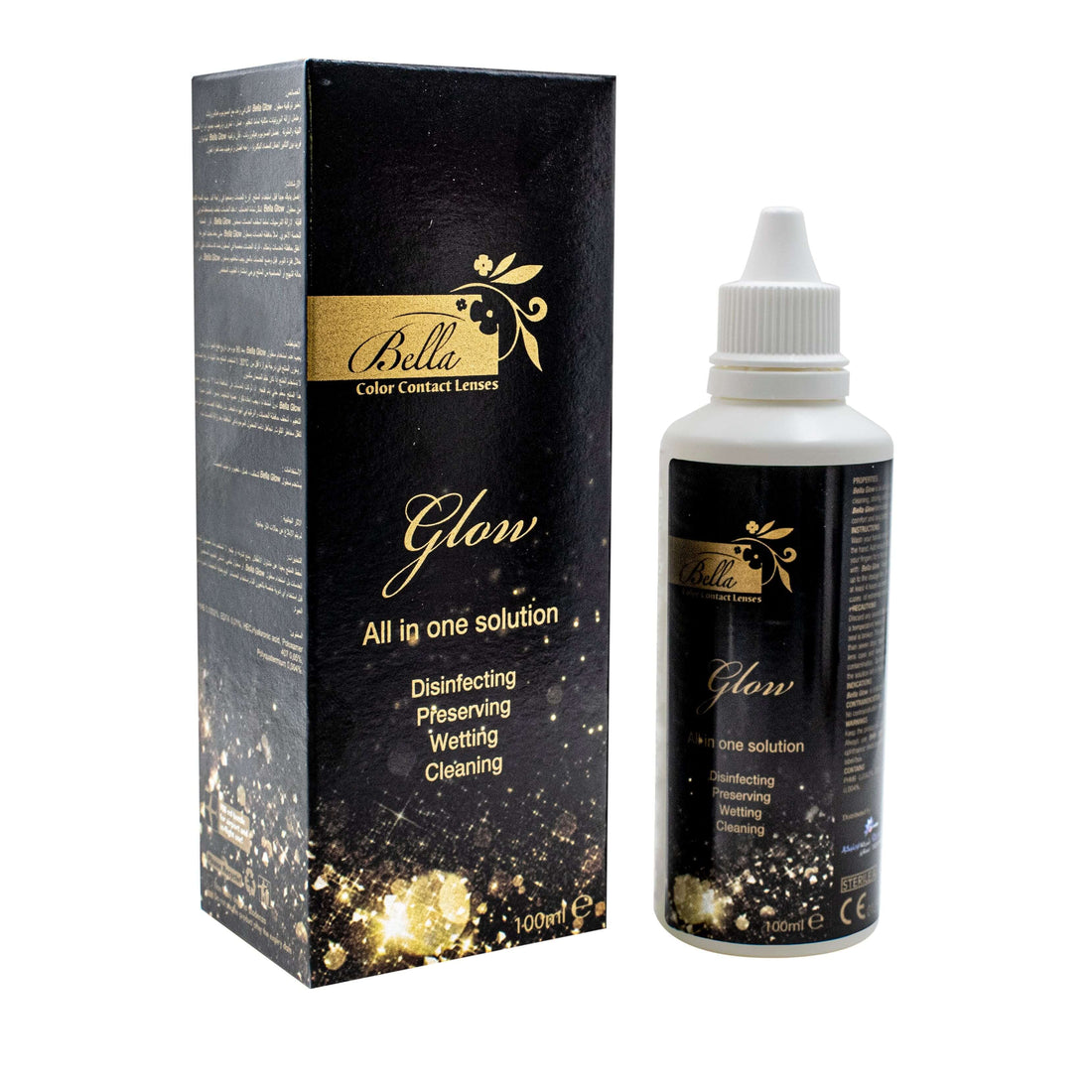

Contact lens eye drops are essential for maintaining comfort and eye health whilst wearing lenses. However, not all eye drops are suitable for use with contact lenses, and using the wrong type can damage your lenses or irritate your eyes. This comprehensive guide explains which contact lens drops to use, how to choose the best eye drop for contact lens dry eyes, and when you need to remove your lenses before applying drops.
Can You Use Eye Drops with Contact Lenses?
Yes, you can use eye drops with contact lenses, but only specific types designed for lens wear. This crucial distinction prevents discomfort, lens damage, and eye health issues.
Not all eye drops are lens-safe because they contain ingredients that interact negatively with contact lens materials. Standard eye drops often contain preservatives, medications, or chemicals that can:
- Bind to lens material: Preservatives like benzalkonium chloride (BAK) are absorbed by soft contact lenses, causing irritation
- Alter lens properties: Some drops discolour lenses, make them cloudy, or change their shape
- Create irritation: Ingredients trapped between your lens and cornea cause prolonged exposure
- Cause lens deposits: Regular eye drops leave residue, creating protein or lipid deposits
Using the wrong eye drop for contact lens wear can result in stinging, burning, redness, blurred vision, and corneal damage. Always verify drops are explicitly labelled as safe for contact lens wearers.
>>> See more: Can you use eye drops with contacts?

What Are Contact Lens Eye Drops?
Contact lens eye drops are lubricating solutions specifically formulated for use whilst wearing contact lenses. Often called "rewetting drops," these products are compatible with lens materials and won't damage lenses or cause irritation. Unlike medicated drops or standard artificial tears, contact lens drops contain ingredients selected for compatibility with both soft and rigid gas-permeable (RGP) lenses.
Contact lens eye drops improve comfort through several mechanisms:
- Rehydrate lenses: Contact lenses can dehydrate throughout the day due to environmental factors. Contact lens drops add moisture back, restoring comfort and flexibility.
- Improve comfort: These drops create a cushioning layer between your lens and eye, reducing friction during blinking.
- Stabilise tear film: Your natural tear film can become unstable whilst wearing lenses. Contact lens eye drops help stabilise this tear film, ensuring consistent coverage and reducing dryness between blinks.
The best eye drop for contact lens use typically contains ingredients like hyaluronic acid, hydroxypropyl methylcellulose (HPMC), or other lubricating polymers that mimic natural tears.
>>> See more: A Guide on Contact Lenses for Dry Eyes: Causes and Prevention

Contact Lens Eye Drops vs Regular Eye Drops
Understanding the differences between contact lens drops and regular eye drops helps you make informed decisions about eye care.
| Feature | Contact Lens Drops | Regular Eye Drops |
|---|---|---|
| Safe with lenses in | Yes | Often No |
| Preservative level | Low / None | Often higher |
| Purpose | Lubrication & comfort | Treatment / medication |
| Need to remove lenses | No (usually) | Often yes |
| Ingredients | Lens-compatible | May damage lenses |
| Duration of use | Throughout the day | Specific treatment periods |
| Prescription required | No | Sometimes |
| Price range (UK) | £4-£12 | £3-£15+ |
This comparison table highlights why you cannot simply substitute regular eye drops for contact lens drops. Standard eye drops serve different purposes—treating infections, reducing inflammation, or managing specific eye conditions—and their formulations aren't designed with lens compatibility in mind.
When purchasing contact lens eye drops, always check the packaging for explicit statements like "suitable for use with all contact lenses" or "can be used whilst wearing lenses." Don't assume that because a product is sold near contact lens solutions, it's safe for use with lenses in place.
>>> See more: Can you put contact solution in your eyes with contacts?
Best Eye Drops for Contact Lens Dry Eyes
Dry eyes are one of the most common complaints among contact lens wearers. Understanding causes and what to look for in contact lens dry eyes drops helps you find effective relief.
Causes of Dryness
- Reduced blink rate: People blink up to 66% less when using digital screens, reducing tear distribution
- Air-conditioned environments: Climate control reduces humidity, accelerating tear evaporation
- Lens material: Different materials have varying water content; some dehydrate more quickly
- Long wear times: Wearing lenses 12+ hours daily stresses your eyes' natural lubrication
What to Look For
When selecting the best eye drop for contact lens dry eyes:
- "Suitable for use with contact lenses": Confirms the product is tested for lens compatibility
- Preservative-free (or gentle preservatives): Ideal for frequent use and sensitive eyes
- Compatible with soft lenses: Soft lens wearers are particularly vulnerable to preservative absorption
- Long-lasting formula: Thicker viscosity or advanced polymers provide extended relief
Popular UK brands for contact lens dry eyes drops include Blink Contacts, Systane Contacts, Hycosan, and Clinitas. Consult your optician for personalised recommendations.
Preservative-Free vs Preserved Drops
The choice between preservative-free and preserved contact lens drops significantly impacts comfort and lens health.
Why Preservatives Matter
Preservatives prevent bacterial contamination but cause problems for contact lens wearers:
- Build-up on lenses: Preservatives like BAK are absorbed by soft lenses and accumulate, causing discolouration and irritation
- Eye irritation with frequent use: Multiple daily applications can irritate eyes as preservative sits between lens and cornea
When Preservative-Free Is Best
Choose preservative-free contact lens drops for:
- Daily dryness: If you need drops more than 4 times daily
- Sensitive eyes: People with allergies or history of preservative reactions
- Frequent drop use: Regular users avoid cumulative preservative exposure
- Extended lens wear: Monthly or bi-weekly lens wearers prevent preservative build-up
Preservative-free drops typically come in single-dose vials. Whilst more expensive per dose, they're worth the investment for frequent users. If using preserved contact lens drops, limit use to 3-4 times daily maximum.

When You Should Remove Contact Lenses Before Using Drops
Not all eye drops are compatible with contact lens wear. Always remove your contact lenses before using:
- Allergy drops: Most antihistamine eye drops contain preservatives that bind to soft contact lenses. Wait at least 15 minutes after application before reinserting lenses.
- Medicated drops: Any prescription eye drops—antibiotics, anti-inflammatories, or glaucoma medications—should be applied with lenses removed unless your optician specifically instructs otherwise.
- Redness-reducing drops: Drops containing vasoconstrictors (naphazoline, tetrahydrozoline) should never be used with contact lenses. They're not lens-compatible and can damage lenses.
- Steroid or antibiotic drops: These prescription medications require lens removal. Your eye care professional will specify when you can resume lens wear—typically 15 minutes after application.
When in doubt, remove your lenses before applying any eye drop that isn't explicitly labelled as a contact lens drop.

How to Use Contact Lens Eye Drops Properly
Proper application ensures maximum benefit whilst maintaining hygiene.
Step-by-Step Application
- Wash hands: Thoroughly wash with soap and water. Dry with a clean, lint-free towel.
- Apply drops as directed: Tilt your head back, pull down your lower eyelid, and hold the bottle above your eye without touching it. Squeeze gently to release one drop.
- Blink gently: Close your eye and blink a few times to distribute the contact lens eye drops evenly.
- Avoid touching bottle tip: Never let the dropper touch your eye, eyelid, or any surface to prevent contamination.
- Replace cap immediately: Close the bottle after use to maintain sterility.
How Often Can You Use Them?
Frequency depends on your needs:
- Typical usage: Most people use contact lens drops 2-4 times daily
- Product guidelines: Always follow manufacturer's instructions
- Individual needs: May vary based on environment, lens type, and tear production
- Warning sign: If you need drops more than 6-8 times daily, consult your optician - this suggests underlying issues requiring professional treatment
Understanding common errors helps you use contact lens drops safely and effectively.
Using standard eye drops with lenses in: Always verify drops are specifically designed for contact lens use. Standard artificial tears, allergy drops, or redness reducers can damage lenses or cause severe irritation.
Overusing redness-reducing drops: These cause rebound redness and are never safe for contact lens use.

Ignoring persistent dryness: Constant dryness despite regular drop use may signal unsuitable lenses or dry eye disease requiring treatment.
Continuing lens wear with pain or blurred vision: Contact lens drops should relieve discomfort, not mask serious problems. Remove lenses immediately if you experience pain, redness, discharge, or blurred vision that doesn't clear.
Frequently Asked Questions
1. Can I use eye drops while wearing contact lenses?
Yes, but only drops specifically formulated for contact lens wear. These are made with lens-safe ingredients and mild or no preservatives. Always confirm the label states they are suitable for use with contact lenses.
2. What drops are best for contact lens dry eyes?
Preservative-free lubricating drops designed for contact lenses are best. Look for ingredients such as hyaluronic acid or HPMC. Common UK options include Blink Contacts, Systane Contacts, and Hycosan Extra.
3. Are contact lens drops the same as eye drops?
No. Contact lens drops are a specialised type of eye drop designed to be compatible with lens materials. Many standard eye drops contain preservatives or medications that can damage lenses.
4. How often can I use rewetting drops?
Most people can safely use contact lens drops 2–6 times per day. If you need them more than 6–8 times daily, consult your optician, as this may indicate an underlying issue.
5. When should I see an optician?
See an optician if dryness persists despite drop use, you require drops very frequently, or you experience ongoing pain, redness, blurred vision, discharge, or signs of infection.
Contact lens eye drops help maintain comfort and lubrication, but selecting the right type is essential. Use only drops formulated for contact lenses, choose preservative-free options for frequent use, and avoid medicated or redness-reducing drops while wearing lenses. If dryness or discomfort persists, consult your optician for professional advice.