
Contact lenses in sealed, unopened packaging typically expire 3 to 5 years after the manufacturing date. Once opened, a separate replacement schedule applies: daily lenses are discarded after one session, monthly lenses after 30 days, and Bella 3-month lenses after 90 days. Both timelines apply simultaneously and neither cancels the other.
Contact lenses carry an expiry date like any other medical device, and there are actually two separate timelines to understand: one for sealed packaging and another for after you open it. This guide explains both clearly.

Do Contact Lenses Expire and Why?
Knowing when do contact lenses expire is essential, as all contact lenses carry an expiry date including coloured and decorative lenses. In the UK, contact lenses are classified as medical devices under MHRA regulations, which means the expiry date on the packaging is not optional. It reflects a verified sterility guarantee, not an estimate, and the date applies regardless of whether the lens has ever been touched.
What the Expiry Date Really Refers To
The lens material itself is relatively stable. What expires is the sterility of the sealed saline solution inside the blister pack and the integrity of the packaging seal. Over time, the preservatives in the solution degrade, the seal weakens, and the manufacturer's guarantee that the lens is free from contamination can no longer be supported. A lens may look identical before and after its expiry date, which is exactly why the printed date is essential.
The Distinction Most People Miss: Shelf Life vs Replacement Schedule
Two Timelines That Both Apply
|
Concept |
What it means |
When it applies |
Typical timeline |
|---|---|---|---|
|
Shelf life (expiry date) |
How long the sealed blister pack maintains verified sterility |
Before you open the packaging |
3 to 5 years from manufacture |
|
Replacement schedule |
How long the lens is safe to wear after opening |
From the day you first open the blister pack |
Daily: 1 session; Monthly: 30 days; 3-month: 90 days |
Both timelines are active at the same time. When do contact lenses expire once opened? Immediately, on the replacement schedule. A monthly lens must be replaced within 30 days of opening, regardless of how often you wore it.
How Long Do Unopened Contact Lenses Last?
The shelf life of an unopened contact lens depends on the brand and type. Understanding when do contact lenses expire in sealed packaging comes down to the manufacture date and how the blister pack has been stored. Always check the date on your specific packaging rather than relying on general estimates.
Shelf Life and Replacement Schedule by Lens Type
|
Lens type |
Typical sealed shelf life |
Replacement schedule after opening |
|---|---|---|
|
Daily disposable |
3 to 4 years from manufacture |
1 session; discard the same day |
|
Bi-weekly |
2 to 4 years from manufacture |
14 days from first opening |
|
Monthly |
2 to 4 years from manufacture |
30 days from first opening |
|
3-month (quarterly) |
2 to 4 years from manufacture |
90 days from first opening |
|
Annual |
2 to 4 years from manufacture |
Up to 12 months from first opening |
The sealed shelf life is broadly similar across lens types. What differs is the replacement window after opening, ranging from a single session for daily lenses to a full year for annual lenses. Both the shelf life date and the replacement schedule must be respected.

What to Expect from a Reputable UK Supplier
A reputable UK supplier should ensure meaningful shelf life remains when your lenses arrive. If you purchase a pack of six monthly lenses, you should have at least six months before the earliest expiry so you can complete the full intended replacement cycle without any pair expiring before use. If lenses arrive with less remaining shelf life than their intended replacement cycle, contact the retailer for a replacement.
How to Read the Expiry Date on Your Packaging
Most contact lens wearers have never actively checked when do contact lenses expire because the date is typically several years away at purchase. Knowing where to find it and how to interpret the symbols takes under a minute.
Where to Find the Date
The expiry date appears in two places: on the outer cardboard box and on each individual blister pack. The blister pack date is the more important reference because it applies specifically to that lens unit. If the outer box date is still valid but an individual blister pack date is not, do not use that lens regardless of how the box looks.
Symbols and Date Formats
Look for a small hourglass symbol, often accompanied by the letters EXP. The date is most commonly printed in YYYY/MM format. For example, 2028/06 means the lens expires at the end of June 2028. Some brands use YY-MM, MM/YYYY, or a numeric string without separators. On modern European packaging, the year appears first in most formats, which helps distinguish year from month when both are two digits.
What to Do When the Box and Blister Dates Disagree
This can happen if a box has been opened and individual blister packs removed or replaced in error. Always treat the blister pack date as the definitive reference for that specific lens unit. If in doubt, contact the retailer or manufacturer before inserting any lens with a questionable date.
When Do Coloured Contact Lenses Expire?
Coloured contact lenses follow the same shelf life rules as clear lenses. The difference lies in the replacement schedule, which varies by collection, and understanding which schedule applies to your lenses prevents them from being used past their safe window without realising it.

Bella 3-Month Collections: Elite, Diamond, Glow, Natural and Contour
Each pair from the Bella Elite, Diamond, Glow, Natural and Contour collections is designed for a 90-day replacement cycle starting from the day you first open the blister pack. This means the lens should be discarded 90 days after first use, regardless of how many sessions you completed during that period. The 90-day window is the replacement schedule; it is shorter than the sealed shelf life printed on the packaging, and both apply. For a full breakdown of how Bella replacement cycles work across all collections and how they affect cost per wear, see our guide to how long coloured contact lenses last.
Bella Daily: Single-Session Use
Bella Daily lenses are for single-session use only. The moment you open a Bella Daily blister pack, the lens is active and should be discarded at the end of that day. There is no replacement window to track because each blister is a fresh pair, and no lens from this range should ever be cleaned, stored, or reinserted.
Bella Lense stocks the full range of CE-marked Bella coloured contact lenses for UK delivery, including daily, monthly and 3-month replacement options. Browse our coloured contact lens collection to find the replacement schedule that fits your wearing frequency.
Does Contact Lens Solution Expire Too?
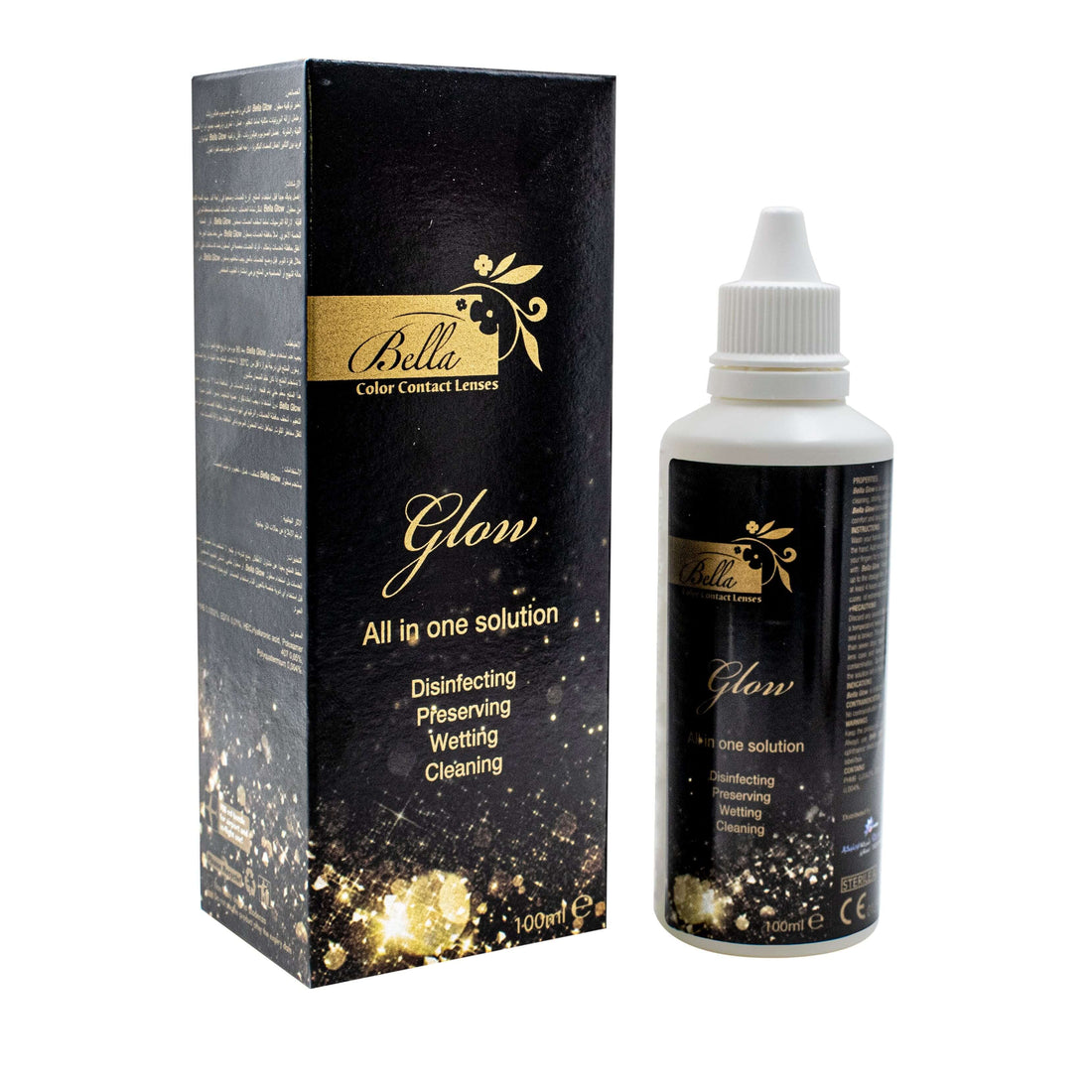
Contact lens solution is often overlooked in expiry checks, but an expired or depleted solution can compromise even a lens that is within its own shelf life. The disinfectant properties of solution degrade over time, and an inactive solution no longer provides the protection it is designed to give.
Contact Lens Solution Shelf Life
|
State |
Typical shelf life |
|---|---|
|
Unopened bottle |
1 to 3 years from manufacture (check the bottle's printed date) |
|
Opened bottle |
30 to 90 days after opening (check your specific brand's label) |
choosing the right contact lens solution covers what to look for when selecting a solution and when to replace it.
What Happens If You Wear Expired Contact Lenses?
The most important thing to understand when contact lenses expire is that they usually look and feel completely normal. The degradation that makes them unsafe is not visible to the naked eye, which means appearance is not a reliable indicator of whether a lens is safe.

Why Expired Lenses Look Normal but Are Not Safe
Once the sealed packaging's sterility guarantee expires, the saline solution inside may harbour microorganisms including bacteria, fungi, and Acanthamoeba. The lens material itself can also begin to degrade slightly, reducing oxygen permeability and altering its shape. Neither of these changes is detectable without laboratory analysis, but both create conditions that increase infection risk considerably.
The Specific Risks of Using Expired Lenses
Wearing expired contact lenses raises the risk of corneal infections including bacterial keratitis, which in severe cases can cause lasting damage to vision. The risk also extends to corneal abrasion and inflammatory reactions as lens material loses its designed properties and fit. If you have already worn lenses you suspect may have been expired and experience redness, pain, or changes in vision, our article on contact lens infection symptoms explains the warning signs that should prompt a same-day optometrist appointment.
How to Store Lenses and Manage Multiple Boxes
Proper storage before opening significantly affects whether a lens remains within its shelf life when you are ready to use it. The two habits below account for most preventable expiry-related problems for contact lens wearers.
Storage Conditions That Protect Sealed Lenses
Store sealed contact lens boxes at room temperature, away from direct sunlight, heat sources, and the fluctuating humidity of bathroom cabinets. Extreme temperature changes can compromise the blister seal and affect the chemistry of the saline inside, even without any visible damage to the outer packaging. A cool, dry drawer or cupboard away from the bathroom is sufficient.
First-In, First-Out for Multiple Boxes
If you purchase several boxes at once, which is common with coloured lenses bought for occasions or seasonal use, place the newest purchase at the back of the storage space and always reach for the oldest box first. This simple rotation prevents lenses with earlier expiry dates from being overlooked behind newer stock. Our guide to how often to replace your contact lenses covers the full replacement and care cycle for all lens types.
Frequently Asked Questions
When do contact lenses expire if they are still unopened?
Sealed, unopened contact lenses typically expire 3 to 5 years after the manufacturing date. The exact date is printed on the blister pack and the outer box.
Can I use contact lenses past their expiry date?
No. The sterility of the packaging cannot be guaranteed beyond the printed date, and using expired lenses raises infection risk even if the lenses appear visually unchanged.
Do coloured contact lenses expire at the same rate as clear lenses?
Yes. The shelf life and expiry date system is identical for coloured and clear lenses. Replacement schedules vary by type, not by colour or design.
What if the outer box is expired but the individual blister pack date is still valid?
Use the blister pack date as the definitive reference. If the blister date is still valid and the seal is fully intact, the lens may be used with care.
How long does contact lens solution last once opened?
Most contact lens solutions last 30 to 90 days after opening. Check the label on your specific brand for the exact discard-after-opening period.
How do I know if my contact lenses have gone bad?
You often cannot tell by looking. If the blister seal is broken, the solution has evaporated, or the expiry date has passed, discard the lens without inserting it.
Conclusion
Contact lenses expire on two separate timelines: the sealed shelf life before opening, and the replacement schedule after. Checking both before inserting any lens takes seconds. When do contact lenses expire for your specific type? The blister pack has the answer. Contact lenses expire on a fixed date regardless of how they look. Checking takes seconds and protects against infections far more costly than a fresh pair. When do contact lenses expire for your specific type? The answer is always printed on the blister pack.
Disclaimer
This article is for general informational purposes and does not replace professional eye care advice. If you experience any discomfort, vision changes, or signs of infection after wearing contact lenses, consult a registered optometrist promptly.