
Learning how to wear contact lenses correctly is essential for comfort, clear vision, and long-term eye health. Contact lenses sit directly on the surface of the eye, so improper handling or poor hygiene can quickly lead to irritation or infection. Whether you are a first-time wearer or need a refresher, this guide explains how to put in, wear, and remove contact lenses safely, following best practices recommended by eye care professionals in the UK.
Before You Start: What You Need to Know
At Bella, we believe that stunning eye colour should never come at the expense of safety. Before you enjoy your new look, ensure you have ticked every box in this essential pre-wear checklist:
A Valid Eye Examination & Professional Fitting
Your eyes are as unique as your fingerprint. A recent eye examination (within the last 12 months) ensures your eyes are healthy enough for contact lens wear. Even for cosmetic lenses, a professional fitting with a qualified UK optician is vital to determine your precise measurements, such as the base curve and diameter.
Lenses Recommended for Your Specific Needs
Only wear lenses that have been recommended for your eyes. Our specialists provide a variety of materials and moisture-locking technologies; ensuring you choose the right one for your lifestyle whether that is a daily disposable for convenience or a monthly lens for frequent wear guarantees the best experience.

A Hygienic Environment & Clean Hands
Hygiene is your first line of defence against irritation. Always wash your hands thoroughly with unperfumed soap and dry them with a lint-free towel before handling your lenses. Ensure your workspace is clean and that you are using fresh, high-quality lens solution if using reusable lenses.
The "Never" List: Protecting Your Vision
-
Never share lenses: Contact lenses are medical devices, not shared accessories. Sharing lenses can transfer bacteria and lead to serious cross-infection.
-
Never wear damaged lenses: If you notice a tiny nick, tear, or deposit on the lens, discard it immediately. A damaged lens can scratch the cornea.
-
Never use expired products: Always check the "Use By" date on the packaging. Expired lenses can lose their shape and sterility.
Even if you have "perfect" 20/20 vision and are purchasing Non-Prescription (Plano) lenses, the advice remains the same: Fit comes first. Always consult an eye care professional before trying contact lenses for the first time.
Step 1: Wash and Dry Your Hands Properly
Hand hygiene is the most important step in wearing contact lenses. Always wash your hands with mild, non-moisturising soap and rinse thoroughly. Dry them with a lint-free towel.
Moisturisers, oils, and fragrances can transfer to lenses and cause irritation or blurred vision, so avoid using scented soaps or lotions before handling lenses.
Step 2: Check the Contact Lens
Before application, it is essential to perform a quick "quality check." This ensures maximum comfort and prevents the irritation that occurs when a lens is worn incorrectly.

The "Bowl or Plate" Test
Place the lens on the tip of your clean, dry index finger and hold it up to eye level. Inspect the profile carefully:
-
The Correct Way: If the lens forms a perfect, smooth "U" shape with the edges curving vertically upwards like a bowl, it is ready to be worn.
-
Inside Out: If the edges flare outward slightly, resembling a soup plate or a saucer, the lens is inside out. Simply flip it over and re-rinse with a fresh multipurpose solution.
The 3-Point Safety Check
Before the lens touches your eye, always inspect for:
-
Tears or Chips: Even a microscopic nick on the edge can cause a "scratchy" sensation or redness.
-
Dust or Debris: Ensure there are no tiny fibres or specks of dust. If you spot any, rinse the lens thoroughly with fresh solution—never use tap water.
-
Discolouration: The lens should be clear and vibrant. Any cloudiness is a sign that the lens should be discarded.
Never wear a damaged or dirty lens, even if the flaw appears minor. If it doesn't look perfect, it doesn't go in your eye.
Step 3: How to Put In Contact Lenses
Look straight ahead into a mirror. Use the fingers of your non-dominant hand to gently hold your upper eyelid open. With the middle finger of your dominant hand, pull down your lower eyelid.
Slowly bring the lens towards your eye and place it gently on the centre of the cornea. Release your eyelids slowly and blink a few times to help the lens settle into position.
If the lens feels uncomfortable, remove it, rinse with contact lens solution, and try again.

Step 4: Wearing Contact Lenses Comfortably
Once inserted correctly, contact lenses should feel comfortable and provide clear vision. Mild awareness is normal for new wearers, but pain, burning, or excessive tearing is not.
To wear contact lenses safely:
-
Follow the recommended wear time
-
Avoid touching or rubbing your eyes
-
Use rewetting drops if advised by your optometrist
-
Take breaks if your eyes feel dry or tired
Most contact lenses are not designed for sleeping, and wearing them overnight significantly increases infection risk unless specifically approved.
Step 5: How to Remove Contact Lenses
Removing your lenses correctly is just as important as putting them in. By following this steady, hygienic routine, you protect your eyes from irritation and maintain optimal ocular health.
The Step-by-Step Removal Process
Wash & Dry Thoroughly: Always wash your hands with mild soap and dry them completely before touching your eyes. Damp hands can transfer tap water bacteria or make the lenses slippery and difficult to grip.
The "Slide & Pinch" Method: Look upward into a mirror and gently pull down your lower eyelid with your middle finger. Using the pad of your index finger, slide the lens down onto the white part of your eye (the sclera).
Gentle Extraction: Once the lens is away from the cornea, use the pads of your thumb and index finger to gently pinch the lens and lift it away from the eye. Avoid using your fingernails, as this can cause corneal abrasions.
Cleaning and Storing Reusable Contact Lenses
For those wearing Monthly or Reusable lenses, a meticulous cleaning routine is the only way to ensure your eyes stay healthy and your vision remains sharp. Skipping these steps is never worth the risk.
The "Rub and Rinse" Method
Even if your multipurpose solution is labelled as "No-Rub," UK eye care experts highly recommend a gentle manual clean.
-
The Process: Place the lens in your clean palm, apply a few drops of fresh solution, and gently rub the lens in a circular motion with your pinky or index finger for about 20 seconds.
-
The Benefit: This physically breaks down protein deposits, lipids, and makeup residue that "soaking" alone might miss.
Never Use Alternatives
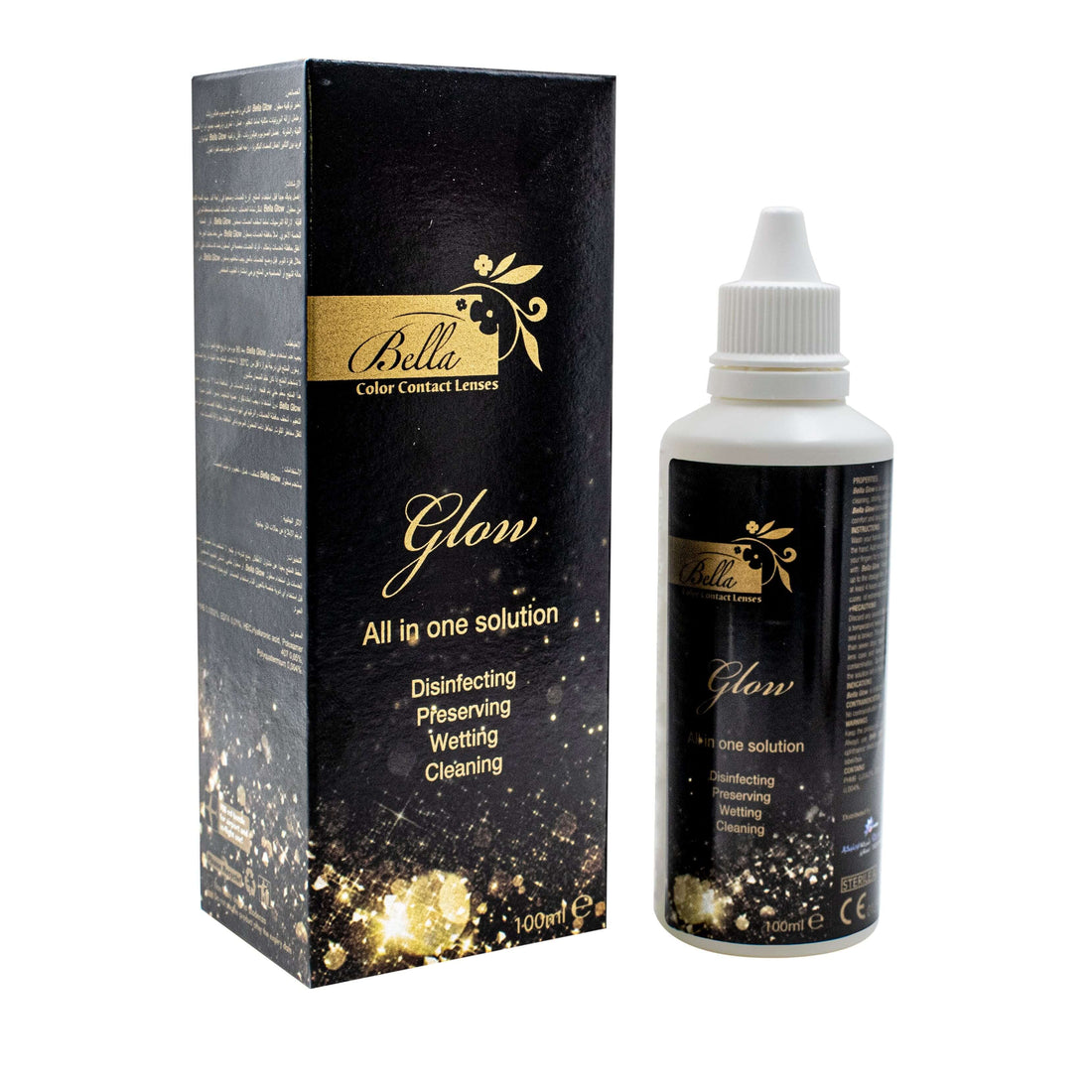
It may sound obvious, but it bears repeating: Never use tap water, bottled water, or saliva to clean your lenses or case. Tap water contains microorganisms like Acanthamoeba which can cause devastating eye infections. Only use sterile, UK-approved contact lens solution.
Case Hygiene & Replacement
Your lens case can be a breeding ground for bacteria if neglected.
-
Daily Care: After putting your lenses in, empty the old solution from the case. Rinse it with fresh solution and leave it to air dry upside down on a clean tissue.
-
Regular Replacement: You should replace your lens case every 1 to 3 months. A fresh case is just as important as a fresh pair of lenses.
Poor lens care is the leading cause of contact lens-related infections. If you ever experience persistent redness, pain, or blurred vision, remove your lenses immediately and consult your optician.

The "Never" List: Avoiding Common Pitfalls
Most contact lens complications are entirely avoidable by breaking a few common habits. To keep your eyes feeling fresh and looking bright, adhere to these simple rules:
- Do Not Sleep in Your Lenses: Unless specifically prescribed for overnight wear by your optician, sleeping in lenses significantly starves the cornea of oxygen. This can lead to painful inflammation or "tight lens syndrome."
- Do Not Over-Wear Your Lenses: Stick strictly to the recommended schedule. If you have Daily Disposables, discard them every night. If you have Monthly Lenses, replace them 30 days after opening, regardless of how many times you’ve actually worn them.
- Keep Tap Water Away: Never rinse your lenses or your storage case with tap water. It contains minerals and microorganisms that can lead to severe, sight-threatening infections. Only use sterile, UK-approved contact lens solution.
- Listen to Your Eyes: If your eyes look red, sore, or bloodshot, do not "push through" the discomfort. Remove your lenses immediately and give your eyes a rest.
- Don't Ignore Changes in Vision: If your vision becomes blurred or you experience a persistent "gritty" sensation, it is your eye's way of telling you something is wrong.
Professional Advice
If any symptoms, such as redness, pain, or blurred vision persist for more than a few hours after removing the lenses, consult an optician immediately. Early intervention is key to maintaining healthy eyes..