
The idea of waking up with clear vision, no fumbling for glasses, no morning lens routine, is genuinely appealing. There are contact lenses designed for exactly this purpose, but they come with important conditions, real risks, and professional requirements that are worth understanding before switching. This guide covers which lenses you can sleep in, why the vast majority cannot be worn overnight safely, what makes the approved options different, and what to do if you have already nodded off wearing the wrong pair.
Only contact lenses specifically approved for extended or continuous wear are safe to sleep in. These are made from silicone hydrogel with high oxygen permeability (Dk/t 100+) that allows the cornea to breathe during sleep. Standard daily wear lenses, including most coloured contact lenses, should never be slept in. Extended wear lenses require optician approval and carry higher infection risk than removing lenses before sleep.
Why Most Contact Lenses Cannot Be Slept In
The cornea is the only tissue in the body that has no blood vessels. It relies entirely on atmospheric oxygen, dissolved through the tear film, to stay healthy. When your eyelids close during sleep, this oxygen supply drops significantly. Adding a contact lens on top restricts it further. For any lens worn overnight, the material's oxygen transmissibility, measured as its Dk/t value, must be high enough to compensate for the reduced supply. For a broader overview of how lens materials affect eye health, see our guide on contact lens safety.

The Dk/t Threshold: Why the Number Matters
Dk/t is the standard measure of how much oxygen passes through a contact lens of a given thickness: D is the diffusion coefficient, k is the partition coefficient, and t is the lens thickness in centimetres. The landmark Holden and Mertz study established that a Dk/t of at least 87 is required to avoid corneal swelling during overnight wear. Standard hydrogel lenses typically achieve a Dk/t of 20 to 35, which is insufficient even for comfortable daytime wear in some wearers. Modern silicone hydrogel extended wear lenses achieve Dk/t values of 100 to 175, which is above the threshold required for overnight use. This is the material difference that makes sleeping in contact lenses achievable, though not without risk.
The Infection Risk That Remains
Higher oxygen transmissibility reduces corneal hypoxia but does not eliminate the infection risk of overnight wear. Large-scale epidemiological studies, including research published in the British Journal of Ophthalmology, confirm that the absolute risk of microbial keratitis is approximately four times higher when wearing contact lenses overnight compared with daily removal. The warm, moist, low-oxygen environment beneath a closed eyelid and a contact lens creates favourable conditions for bacterial colonisation regardless of the lens material. Extended wear silicone hydrogel lenses reduce the hypoxic component of this risk but carry the same infection risk as older hydrogel extended wear lenses.

The College of Optometrists and the British Contact Lens Association both advise that removing lenses before sleep is always the safest option, including for lenses approved for extended wear. Extended wear is a legitimate clinical option for suitable patients under professional supervision, not a general recommendation.
Contact Lenses You Can Sleep In: Types Explained
Two specific categories of contact lens are approved for overnight use: extended wear lenses, which allow up to six consecutive nights, and continuous wear lenses, which allow up to 30 consecutive nights. Both require professional assessment before use. The table below summarises the key differences between these options and standard daily wear lenses.
|
Lens Type |
Wear Schedule |
Sleep Safe? |
Typical Dk/t |
Key Consideration |
|---|---|---|---|---|
|
Daily wear (standard) |
Remove every night; daily disposable or monthly with cleaning |
No |
20–35 (hydrogel) / 60–100 (silicone hydrogel) |
Never sleep in standard daily wear lenses, regardless of material |
|
Extended wear |
Up to 6 consecutive nights; then remove, clean, replace |
Yes (with optician approval) |
100–130 (silicone hydrogel) |
Not suitable for everyone; requires professional assessment |
|
Continuous wear |
Up to 30 consecutive nights without removal |
Yes (with optician approval) |
150–175 (silicone hydrogel) |
Requires close monitoring; highest convenience but highest risk profile |
The distinction between extended wear and continuous wear is primarily one of duration and monitoring requirements. Extended wear lenses are the more widely prescribed option for occasional overnight convenience. Continuous wear is typically reserved for specific clinical needs, such as patients who have difficulty removing lenses or who work in environments where daily removal is genuinely impractical. For both categories, the lens must be specifically approved for that schedule by your optician, and your individual corneal health must support it.

Who Is a Suitable Candidate for Extended Wear Lenses in the UK?
Extended wear lenses are not appropriate for all contact lens wearers. Before approving overnight use, a UK optician will assess a number of factors that directly affect how your cornea responds to reduced oxygen overnight.
Corneal health. Any existing corneal condition, history of corneal ulcers, or recurring eye infections typically rules out extended wear.
Dry eye status. Chronic dry eye is one of the most common contraindications. Overnight wear reduces tear exchange and worsens dryness, which in turn elevates infection risk.
Allergy history. Wearers with chronic seasonal allergies, particularly those affecting the eyes, are generally poor candidates for extended wear due to increased inflammatory response and lens intolerance.
Care compliance. Opticians are more likely to approve extended wear for patients with a demonstrated track record of following lens care instructions.
Lifestyle need. Extended wear is most commonly approved for shift workers, new parents with disrupted sleep routines, frequent travellers, and individuals with prescriptions who struggle with daily removal.
If your eyes are healthy and your lifestyle genuinely benefits from overnight wear, the fitting process involves a trial period with monitoring appointments at two to four weeks to assess how your corneas are tolerating continuous wear.
Not seeking extended wear? Bella's daily coloured lenses are designed for comfortable wear within the recommended hours, with no overnight use required: Bella Daily Contact Lenses.

Can You Sleep in Coloured Contact Lenses?
This is one of the most frequently asked questions from coloured lens wearers, and the answer is clearly no. Coloured contact lenses, including the full Bella range, are standard soft lenses. They are not approved for overnight wear and should not be slept in under any circumstances.
The reason is not only that they share the same Dk/t limitations as standard daily wear lenses. Coloured lenses also contain a pigment layer within the lens material. While this pigment is safely encapsulated and does not affect the eye surface during normal wear, it does add a barrier to oxygen transmission. This means that sleeping in a coloured lens reduces corneal oxygen supply even further than sleeping in a standard clear lens of the same type. The combination of extended wear time, reduced oxygen, and lens material makes sleeping in coloured lenses a meaningfully higher risk than doing so in a clear daily lens.

The practical implication is that wearing coloured lenses on occasions where you may fall asleep, a long flight, an evening that may run late, or a nap on the sofa, requires extra planning. Remove the lenses before any situation where you might close your eyes for an extended period. Carrying a lens case and a small bottle of solution is the most reliable safeguard.
For everyday coloured lens wear within recommended hours, Bella's Daily Collection provides soft coloured lenses designed for safe single-day use: Bella Daily Contact Lenses.
What to Do If You Accidentally Slept in Contact Lenses
Accidentally falling asleep in contact lenses is one of the most common mistakes wearers make. Up to 87% of contact lens wearers report having napped in their lenses at some point. When it happens, the right response depends on how long you were asleep and how your eyes feel on waking. For guidance on maintaining a consistent care and replacement routine that reduces this risk, see our guide on how often to replace your contact lenses.
Step 1: Do not attempt to remove the lenses immediately if your eyes feel dry or stuck. Forcing a dried lens off the cornea can cause corneal abrasion. Apply preservative-free rewetting drops approved for contact lenses and blink gently.
Step 2: Wait two to three minutes for the drops to rehydrate the lens. Once the lens moves freely on the eye, remove it using your normal technique.

Step 3: Discard the lenses if they are daily disposables. Daily disposables are single-use and should not be reinserted after extended wear. Monthly or bi-weekly lenses that have been accidentally worn overnight can be cleaned, disinfected, and reinserted if they are undamaged and your eyes feel comfortable.
Step 4: Give your eyes a rest. Wear glasses for the remainder of the day, or at least for several hours, to allow the cornea to recover its normal oxygen supply and tear film.
Step 5: Monitor your eyes for 48 hours. Watch for redness that does not resolve, increasing pain, light sensitivity, discharge, or blurred vision that persists after removing the lens. These are potential signs of corneal infection.
If you experience pain, worsening redness, discharge, or any vision change after sleeping in contact lenses, contact your optician promptly or call NHS 111 for guidance. Do not reinsert lenses until you have been seen.
Building a Routine That Prevents Accidental Overnight Wear
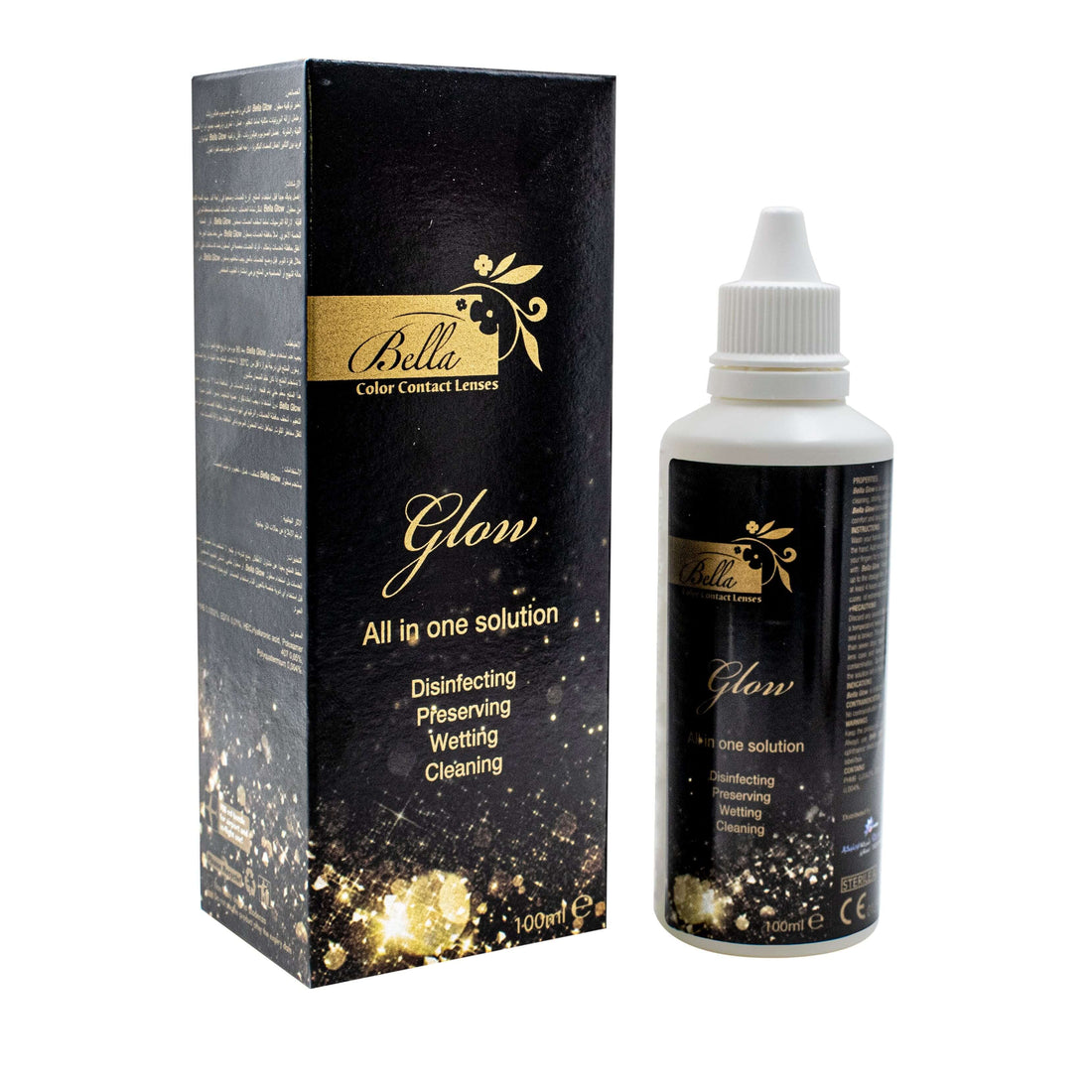
The most reliable way to avoid sleeping in the wrong lenses is to make removal an automatic part of your evening routine, not something you do when you remember. Small adjustments to your environment make a significant difference. For practical guidance on cleaning and care practices, our guide on the best contact lens solution for your eyes covers the essentials.
Set a consistent removal time. Removing lenses at the same point each evening, before you settle in for the night, reduces the chance of falling asleep before you intend to.

Keep glasses within reach at all times. Having a pair of backup glasses on your bedside table removes the need to reinsert lenses in the morning and makes late-evening removal less inconvenient.
For coloured lens wearers specifically: remove your lenses when you arrive home, not when you go to bed. Social occasions, evenings with friends, and situations where you might fall asleep on a sofa are all higher-risk moments for accidental overnight wear.
Final Thoughts
There are genuine contact lenses you can sleep in, but they are specialist products that require professional approval, carry increased infection risk even with the best silicone hydrogel materials, and are suited only to wearers with healthy corneas and a genuine lifestyle need. For the majority of wearers, and for all coloured lens users, the safest and simplest approach remains removing lenses before sleep. A consistent removal routine takes less than a minute and prevents the kind of complications that a preventable corneal infection does not.
See more: Can You Sleep with Contacts In? Key Facts and What to Do