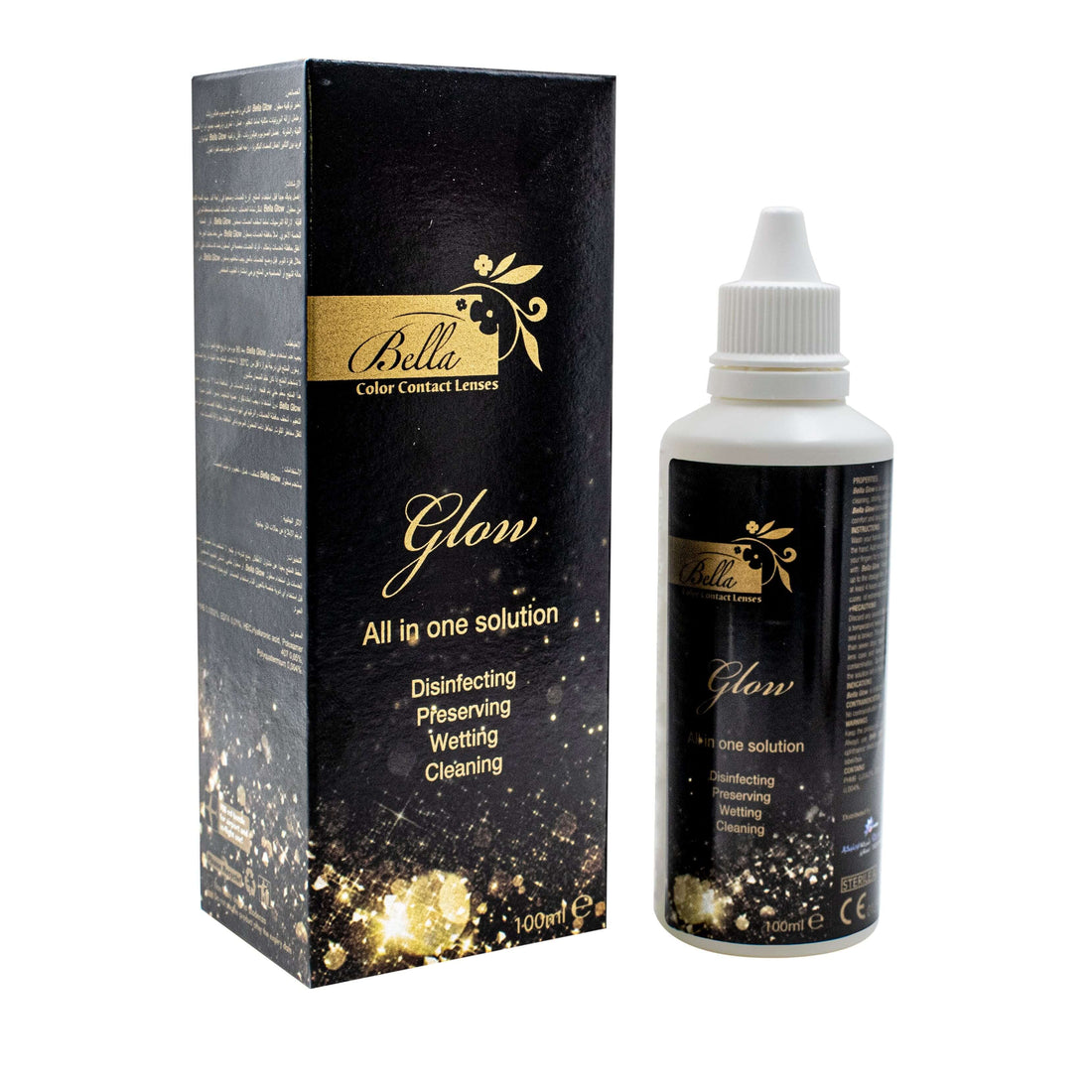

Many people wonder whether their everyday contact solution can double as an eye drop, especially when discomfort strikes unexpectedly. Because contact solutions vary widely in their chemical formulations, the answer depends less on convenience and more on how each solution works with the tear film, the cornea, and the lens itself.
Can you put contact solution in your eyes with contacts? This guide clarifies contradictions found in search results and explains, in clear and practical terms, what is safe, what is not, and what to use instead.
Can You Put Contact Solution In Your Eyes With Contacts?
Most multipurpose contact-lens solutions are not designed to be used as rewetting drops, and eye-care professionals do not recommend placing them directly in the eye. These products clean, disinfect, and store lenses using chemical preservatives and surfactants, ingredients meant for lens care, not ocular lubrication. When they enter the eye, the mismatch in pH, tonicity, and preservative strength can trigger irritation or chemical sensitivity.
Many people confuse contact solution with saline or rewetting drops, but each serves a distinct purpose:
-
Contact solution: cleans, disinfects, stores lenses.
-
Saline: rinses lenses; no disinfecting power.
-
Rewetting drops: hydrates the eye while lenses are worn.
-
Hydrogen-peroxide solution: deep-cleans lenses; never touches the eye.
Understanding these differences helps explain why some SERPs say it is “safe” while others warn strongly against it; each source refers to a different formulation. These contradictions matter because disinfecting formulas prioritize germ control, not comfort.
This foundational distinction sets the stage for understanding why rewetting products must be formulated differently.
Why Contact Solution Is Not the Same as Rewetting Drops
Although both products relate to lenses, they serve entirely different biological and chemical functions. A contact solution functions through disinfection and cleansing, using preservatives (e.g., polyquaternium-1), surfactants, and buffering agents to remove debris and neutralize microbes. Rewetting drops, by contrast, are formulated for lubrication and moisture retention, relying on hydrating polymers like hyaluronic acid, PVP, or CMC to stabilize the tear film.
Key differences include:
-
Preservatives: Multipurpose solutions contain stronger disinfecting preservatives; rewetting drops use gentler or preservative-free formulas.
-
Surfactants: Present in contact solution for cleaning; absent in rewetting drops to protect the tear film.
-
Viscosity agents: Rewetting drops contain lubricants to slow evaporation; contact solution does not.
-
System types: Hydrogen-peroxide systems and enzymatic cleaners are designed strictly for out-of-eye disinfection.
These chemical distinctions clarify why a lens-care product cannot perform as an in-eye lubricant.

Can Contact Solution Work as Eye Drops Temporarily?
Contact solution is not an eye drop, and using it as one is not recommended. Eye drops must support the tear film, soothe the cornea, and maintain comfort, while contact solution is designed for cleaning lenses, not hydrating the eye.
That said, saline-only solutions represent a limited exception. Saline is not a lubricant and offers no long-lasting comfort, but its simple salt-water formulation is gentler than multipurpose disinfecting solutions. In rare moments, such as rinsing away a sudden speck of debris, sterile saline may be used safely with the lens still in place.
However, certain symptoms demand immediate lens removal rather than adding any liquid: burning, sudden dryness, sharp discomfort, or blurred vision. Saline becomes acceptable only if no irritation is present, the lens is clean, and the goal is brief rinsing rather than lubrication.
This leads naturally to what happens when a lens-care solution touches the eye directly.
What Happens If You Put Contact Solution Directly in Your Eyes?
Can you put contact solution in your eyes with contacts? Surely not, because when contact solution touches the eye, the ocular surface reacts to chemicals that were designed to work on the lens and then be thoroughly rinsed away. The preservatives often cause an immediate stinging or burning sensation because they disrupt epithelial cells on the cornea.
Surfactants, which are excellent at cleaning lenses, can break apart the tear film and leave the eye feeling raw or excessively dry. Reflex tearing may follow as the eye tries to dilute the irritants, and vision may blur temporarily because the tear layer becomes unstable.
Short-term exposures, like accidentally applying the solution instead of drops, usually cause mild burning and redness that resolves once the eye is rinsed with saline. However, repeated misuse may create more persistent irritation or even superficial punctate keratitis, where tiny abrasions develop on the corneal surface. The difference between occasional and repeated exposure matters greatly, as chronic contact with strong preservatives can lead to ongoing sensitivity.
What Should You Use Instead of Contact Solution in Your Eyes?
To hydrate your eyes safely while wearing contact lenses, opt for products formulated specifically for lubrication. These drops maintain the integrity of the tear film, match ocular pH, and avoid harsh preservatives.
Before choosing a product, remember: thicker drops (higher viscosity) provide longer relief, while thinner ones feel lighter and suit soft or rigid gas-permeable lenses differently.
Recommended alternatives include:
-
Sterile rewetting drops formulated for contact-lens wear.
-
Preservative-free lubricating drops for sensitive eyes.
-
Artificial tears labeled as “safe for use with contact lenses.”
-
Hyaluronic-acid drops for longer hydration.
-
Electrolyte-balanced drops that support tear-film stability.

How to Properly Rehydrate Contacts Without Damaging Your Eyes
A dehydrated contact lens increases friction against the cornea, so proper rehydration involves restoring moisture to the lens in a way that protects both the lens material and your eyes.
The first step is always to remove the lens when dryness or irritation appears. Once removed, the lens can be rinsed with sterile saline, never tap water, so that loose debris is removed without introducing microbes. After rinsing, the lens can be cleaned with its appropriate multipurpose solution or hydrogen-peroxide system (following the full neutralization cycle).
Once the lens is clean and debris-free, gently rewetting it with saline will help restore flexibility. Only when the lens looks smooth, hydrated, and free of defects should it be reinserted.
After reinsertion, paying attention to any lingering discomfort is important, as persistent dryness may mean the lens needs replacing or that the eye requires a lubricating drop before continuing wear. This method keeps the lens safe while preserving ocular comfort.
When You Should Never Put Contact Solution in Your Eyes
Some products are simply unsafe for direct ocular exposure because their chemistry is too aggressive or highly reactive. These formulas are designed for microbial control, heavy cleaning, or protein removal, not lubrication.
Avoid applying solution to your eyes when using:
-
Hydrogen-peroxide systems (reactive until neutralized).
-
Expired solutions (reduced sterility and altered pH).
-
Enzymatic cleaners (protein-degrading agents).
-
High-preservative multipurpose solutions (increased irritation risk).
These categories highlight why understanding solution type is essential for preventing discomfort and chemical exposure.
How to Prevent Contact Solution Irritation in the Future
Preventing irritation begins with matching the solution to the type of lenses worn, since soft, silicone hydrogel, and rigid gas-permeable lenses interact differently with certain chemicals.
People with sensitive eyes often benefit from preservative-free drops and from avoiding heavy disinfectants whenever possible. Lens replacement schedules also play a major role; daily disposables limit buildup and reduce the need for aggressive cleaners, while monthly lenses require consistent hygiene to prevent discomfort.
Good habits, such as regularly replacing the lens case, avoiding “topping off” old solution, and washing hands thoroughly before handling lenses, significantly reduce the risk of irritation.
For those who continue to struggle with dryness or chemical sensitivity, transitioning to daily disposables or using more advanced lubricants may provide lasting relief.

In Summary
Can you put contact solution in your eyes with contacts? No. Using contact solution in your eyes may seem convenient, but the chemical design of these products makes them unsuitable, and sometimes unsafe, for direct ocular use. Rewetting drops, lubricants, and sterile saline serve very different physiological roles, and choosing the correct product protects both your eye health and contact-lens comfort.
FAQs
Can you put saline in your eyes with contacts?
Yes. Sterile saline is safe for brief rinsing but does not lubricate the eye or replace rewetting drops.
Is contact solution safe for dry eyes?
No. Multipurpose solutions contain preservatives and surfactants that may worsen dryness when placed directly in the eye.
What do I do if contact solution burns?
Remove your lenses immediately, rinse with sterile saline, and rest your eyes. Seek professional care if symptoms persist.
Are rewetting drops safe for all contact lenses?
Most are, but check the labeling. Some formulas are specific to soft lenses or rigid gas-permeable lenses.
Can I put water on my contacts if I have no solution?
Never. Tap water carries microbes and can cause serious infections like Acanthamoeba keratitis.