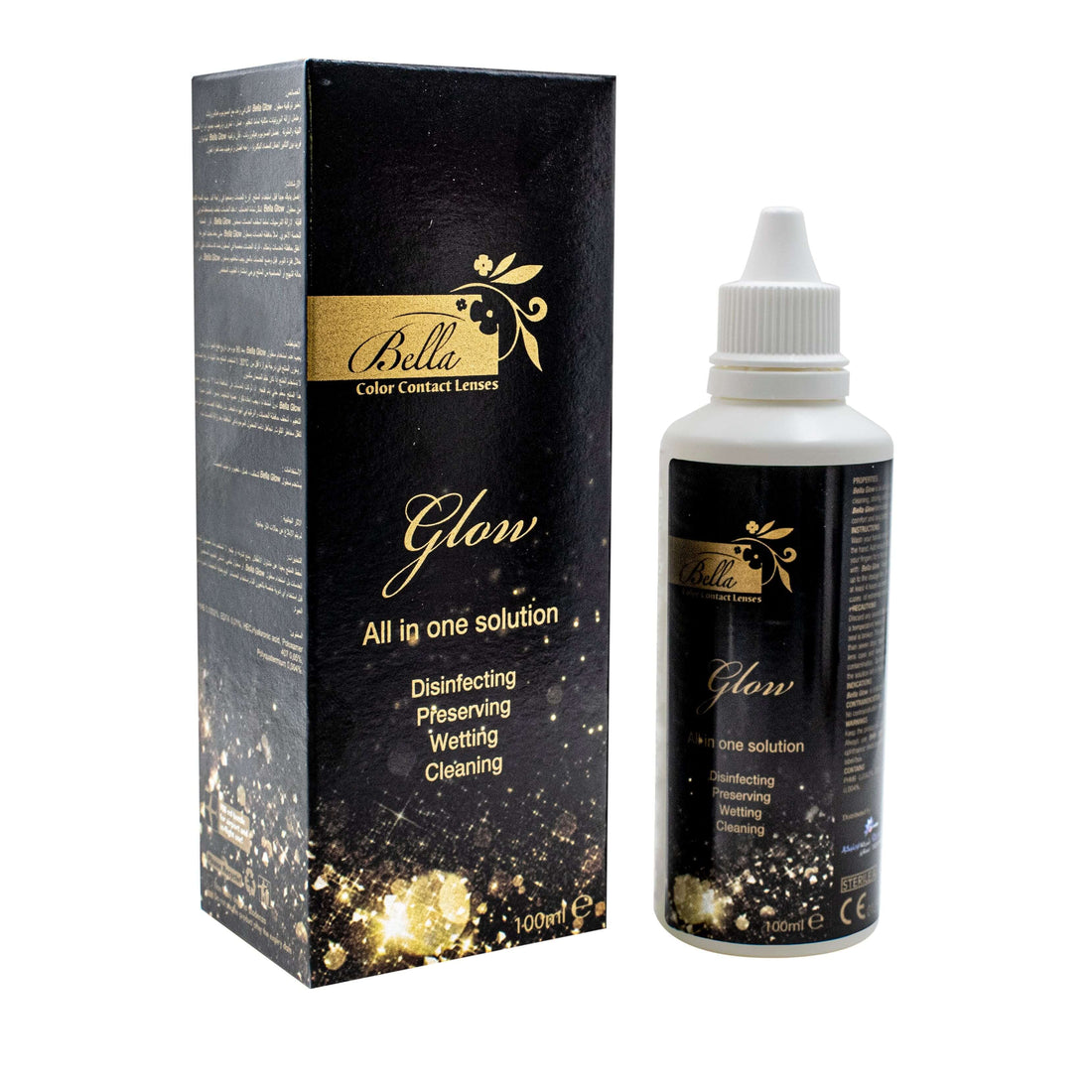

A contact lens eye test is a specialized examination that measures your eyes specifically for contact lens fitting, including corneal curvature, tear film quality, and eye surface health. Unlike a standard eye test, it involves trial lens fitting and detailed measurements. In the UK, a contact lens eye test typically costs £25-£40 and takes 35-45 minutes.
Contact Lens Eye Test vs Regular Eye Test: What's the Difference?
A contact lens eye test is a separate, specialized appointment from your regular eye examination. Whilst your standard eye test focuses on vision and overall eye health, a contact lens check includes additional measurements specifically for lens fitting.
Why You Need Both
Your routine eye examination checks for vision problems and eye diseases. However, contact lenses sit directly on your eye's surface, requiring specific measurements not included in standard tests. A contact lens eye exam determines your corneal shape, assesses tear production, and establishes which lens type suits your lifestyle.
What Each Exam Covers [Comparison Table]
| Assessment | Regular Eye Test | Contact Lens Exam |
|---|---|---|
| Visual acuity testing | Your text go here 2 | Your text go here 2 |
| Visual acuity testing | ✓ | ✓ |
| Eye health screening | ✓ | ✓ |
| Corneal curvature measurement | ✗ | ✓ |
| Tear film evaluation | ✗ | ✓ |
| Pupil and iris measurements | ✗ | ✓ |
| Trial lens fitting | ✗ | ✓ |
| Insertion/removal training | ✗ | ✓ |
| Duration | 20-30 mins | 35-45 mins |
When to Book Each Appointment
Book a regular eye test every two years (annually if over 60, diabetic, or at risk). Schedule your contact lens eye test when considering lenses for the first time, or annually if you're already a wearer.
>>> See more: What Are Contact Lenses Made Of? A Complete Guide to Contact Lens Materials
What Happens During a Contact Lens Eye Exam
A contact lens eye exam assesses multiple factors beyond basic vision testing. Understanding each stage helps you prepare for your first contact lens exams experience.
Pre-Appointment Preparation
If you already wear lenses, remove them several hours before your appointment so your eyes return to their natural shape. Avoid wearing eye makeup, bring your current glasses prescription, and list any medications you're taking.
The Consultation (10-15 mins)
Your optician discusses your lifestyle, visual needs, and expectations. They'll ask about daily activities, work environment, sports participation, and planned wearing hours.
Eye Health Assessment (10 mins)
Using a slit lamp microscope, your optician examines the front surface of your eyes, checking for conditions that might affect contact lens wear. They assess your eyelids, cornea, and conjunctiva to ensure your eyes are healthy enough for lenses.
>>> See more: Why Are My Contact Lenses So Expensive?

Measurements and Testing (15-20 mins)
This stage differentiates a contact lens eye test from standard examinations.
- Corneal curvature (keratometry): Your optician measures your cornea's curvature using a keratometer, determining the base curve of your contact lenses. This takes just minutes and involves looking at a target.
- Pupil and iris size: Measurements of your pupil diameter and iris diameter ensure adequate lens coverage. These are particularly important for multifocal lenses.
- Tear film evaluation: Your optician assesses tear quantity and quality. Healthy tear production is essential for comfortable lens wear. They may use a dye to check tear film stability.
Lens Trial and Fitting (15-20 mins)
Based on measurements, your optician selects trial lenses. They check how lenses move with each blink, ensure adequate edge clearance, and assess comfort. You'll be asked to look in different directions whilst they observe lens stability.
Training and Aftercare Discussion
First-time wearers learn insertion and removal techniques, proper cleaning methods, wearing schedules, and hygiene practices. You'll receive written instructions and discuss what sensations are normal versus warning signs requiring attention.
First Contact Lens Fitting: What to Expect
Your first contact lens fitting is designed to ensure you leave with safe, comfortable lenses and the confidence to manage them independently.
How Long It Takes (35-45 mins typically): First-time contact lens eye tests usually require 35-45 minutes, including consultation, measurements, lens trials, and insertion training. Complex prescriptions may need longer.
What to Bring to Your Appointment: Bring your current glasses, a list of medications (including eye drops), and previous contact lens prescriptions if applicable. Leave eye makeup at home and consider bringing sunglasses for after the appointment.
The Follow-Up Process: After your fitting, you'll receive trial lenses to wear at home. Your optician schedules a contact lens check within 1-2 weeks to assess lens performance and ensure your eyes remain healthy.

Contact Lens Check-Ups: Ongoing Eye Care
Regular check-ups are essential for maintaining eye health and optimal lens performance once you're an established wearer.
Initial Follow-Up (1-2 weeks after fitting): Your first follow-up contact lens exam occurs within two weeks. Bring your lenses so your optician can assess care habits. They'll check for irritation, verify lens fit, and discuss any comfort issues.
Regular Check-Up Schedule: Annual contact lens exams are essential for all wearers, regardless of comfort level. These monitor eye health, update prescriptions, and ensure lenses remain appropriate. Some opticians recommend 6-monthly visits for extended wear lenses.
What's Checked at Each Appointment
During routine contact lens check appointments:
- Corneal health for oxygen deprivation or inflammation
- Lens fit and position
- Vision quality and prescription accuracy
- Lens condition for deposits or damage
- Eye surface for dryness or allergies
Signs You Need an Unscheduled Check
Book an emergency contact lens eye test for persistent redness, sudden vision changes, pain, unusual discharge, or light sensitivity. Remove lenses immediately and contact your optician the same day.
>>> See more: Types of Contact Lenses: A Complete Guide to Finding Your Perfect Fit
Types of Contact Lens Exams
Contact lens eye test requirements vary depending on your prescription complexity and lens type needed.
Standard Soft Lens Fitting
Standard fittings suit straightforward prescriptions without astigmatism. These contact lens exams focus on basic measurements like corneal curvature and pupil size, offering quick fitting and immediate comfort.

Toric Lenses (Astigmatism)
Astigmatism requires toric lenses with different powers in different meridians. Toric contact lens eye tests include detailed astigmatism axis mapping. The fitting checks rotational stability, often requiring multiple trial lenses for optimal axis alignment.
Multifocal/Varifocal Fitting
Multifocal contact lenses correct presbyopia for multiple distances. These contact lens exams involve discussing visual priorities and trying different lens designs. Expect a longer adaptation period.
Specialist Fittings (Keratoconus, RGP)
Specialist contact lens exams for conditions like keratoconus require advanced expertise. Appointments take 60-90 minutes with detailed corneal mapping and typically cost £80-£150.
>>> See more: How To Care Your Contact Lens For Eye Health and Lens Longevity
How Much Does a Contact Lens Eye Test Cost?
Contact lens eye test costs in the UK vary by provider and prescription complexity. Understanding pricing helps you budget appropriately and compare value.
NHS vs Private [Comparison Table]
| Aspect | NHS | Private |
|---|---|---|
| Basic eye test | Free (eligible groups) | £20-£35 |
| Contact lens fitting | Rarely offered | £25-£60 |
| Lens types available | Basic options | All types |
| Follow-up appointments | May be limited | Usually included |
| Eligibility | Must qualify | Open to everyone |
NHS eligibility: Under 16, under 19 in education, over 60, pregnant, diabetic, glaucoma patient, or receiving certain benefits.
Major UK Opticians Price Comparison
- Specsavers: Contact lens eye tests cost £25-£35, with free contact lens checks for subscription members. Extensive trial periods and follow-ups included.
- Boots Opticians: £30-£40 for contact lens consultations with complimentary follow-up contact lens exams for the first year.
- Vision Express: £25-£45 depending on complexity. "Complete Care" packages include unlimited aftercare and emergency replacements.
- Independent opticians: £30-£60 for fittings, often higher for specialist prescriptions but with more personalized service and niche lens brands.
What's Included in the Price
Your contact lens eye test cost should include initial consultation, measurements, trial lens fitting, insertion training, and typically one follow-up appointment. Most opticians include trial lenses (1-4 weeks' supply).
Free Trial Offers Explained
Many opticians advertise "free trials" the eye test itself usually incurs a fee, with "free" referring to trial lenses. Some offer genuinely free contact lens checks with lens purchase commitments. Read terms carefully regarding subscription requirements.
How to Prepare for Your Contact Lens Exam
Proper preparation ensures your contact lens eye test provides accurate results and matches you with appropriate lenses.
Questions to Ask Your Optician:
- What lens types suit my prescription and lifestyle?
- What's the wearing schedule and replacement frequency?
- What maintenance do they require?
- What's the annual cost including solutions?
- How long is the trial period?
- What sensations are normal during adaptation?
- When's my next contact lens check?
- What should I do if I experience problems?
- Should I maintain backup glasses?
Information to Have Ready
Know your current glasses prescription and last eye test date. List all medications, particularly antihistamines or antidepressants affecting tear production. Mention any eye conditions, injuries, or previous surgery. Discuss your daily routine honestly screen time, work environment, and sleep patterns influence lens selection.

What NOT to Do Before Your Appointment
Avoid wearing contact lenses for 24 hours before your contact lens eye test if you're an existing wearer. Don't wear eye makeup. Avoid decongestant eye drops as they temporarily alter your eyes. Don't rush arrive early to relax before your examination.
Can Anyone Wear Contact Lenses?
Most people can successfully wear contact lenses, though suitability varies. Your contact lens eye test includes assessment of your eyes, lifestyle, and ability to manage lenses safely.
Suitability Assessment
Your optician evaluates eye health, tear film quality, corneal shape, manual dexterity, lifestyle requirements, and realistic expectations. Successful lens wear requires consistent care routines and motivation.
Common Reasons You Might Not Be Suitable
- Severe dry eye: Insufficient tears make lenses uncomfortable or harmful, though moderate dry eye is often manageable.
- Active eye infections: Current infections must be resolved before starting lens wear.
- Severe allergies: Uncontrolled allergies complicate lens wear, though daily disposables often help allergy sufferers.
- Extreme prescriptions: Very high prescriptions may have limited options, though specialist lenses often provide solutions.
- Poor hygiene: If you cannot maintain proper lens hygiene, infection risks outweigh benefits.
Alternative Options
If standard lenses aren't suitable, consider daily disposables for hygiene concerns, scleral lenses for irregular corneas, orthokeratology for overnight reshaping, part-time wear alternating with glasses, or refractive surgery for permanent correction.
After Your Exam: Next Steps
Completing your contact lens eye test begins your lens-wearing journey. Understanding your prescription, choosing lenses, purchasing options, and ongoing care ensures successful wear.
Understanding Your Prescription
Your contact lens prescription includes power (sphere), base curve, diameter, and brand specifications. For astigmatism, it includes cylinder and axis. The prescription differs from glasses due to vertex distance. Contact lens prescriptions are valid for two years in the UK, though annual reviews are recommended.
Choosing Your Lenses
Consider daily disposables for convenience versus monthly lenses for economy. Evaluate water content - higher content feels comfortable initially but may dry faster. Oxygen permeability matters for eye health; silicone hydrogel transmits more oxygen. Brand selection depends on what fits your eyes comfortably. Discuss lifestyle needs with your optician.

Where to Buy Contact Lenses
Purchase from your optician's practice, online retailers (Feel Good Contacts, Lenstore, Vision Direct), supermarket opticians, or subscription services. Verify retailers are GOC-registered and never buy without a valid prescription.
Ongoing Care Requirements
Clean and disinfect reusable lenses after every removal using fresh solution. Replace lens cases every three months. Follow wearing schedules strictly. Keep backup glasses current. Attend all contact lens exams. Never wear lenses whilst swimming. Remove lenses immediately if experiencing redness or pain.
Frequently Asked Questions
How long does a contact lens eye test take?
A first-time contact lens eye test typically takes 35-45 minutes, including measurements, trial fitting, and insertion training. Routine annual contact lens checks for established wearers usually last 15-25 minutes.
Do I need an eye test if I just had a contact lens check?
Contact lens exams include basic vision screening, but a comprehensive eye test every two years is still recommended for detailed internal eye examination detecting diseases like glaucoma.
Can I wear my contact lenses to the appointment?
For routine check-ups, wearing lenses is fine. However, for new fittings or changing lens types, remove lenses 24 hours beforehand so your corneas return to their natural shape.
How long is a contact lens prescription valid?
Contact lens prescriptions are legally valid for two years in the UK. However, opticians recommend annual contact lens eye tests to monitor eye health.
Can I get contact lenses without an eye test?
No, it's illegal in the UK to supply contact lenses without a valid prescription from a registered optometrist. This law protects consumers from poorly fitting lenses.
Ready to start your contact lens journey? Book your contact lens eye test with a qualified optician today. With proper examination, fitting, and ongoing care through regular contact lens checks, contact lenses provide years of comfortable vision correction.