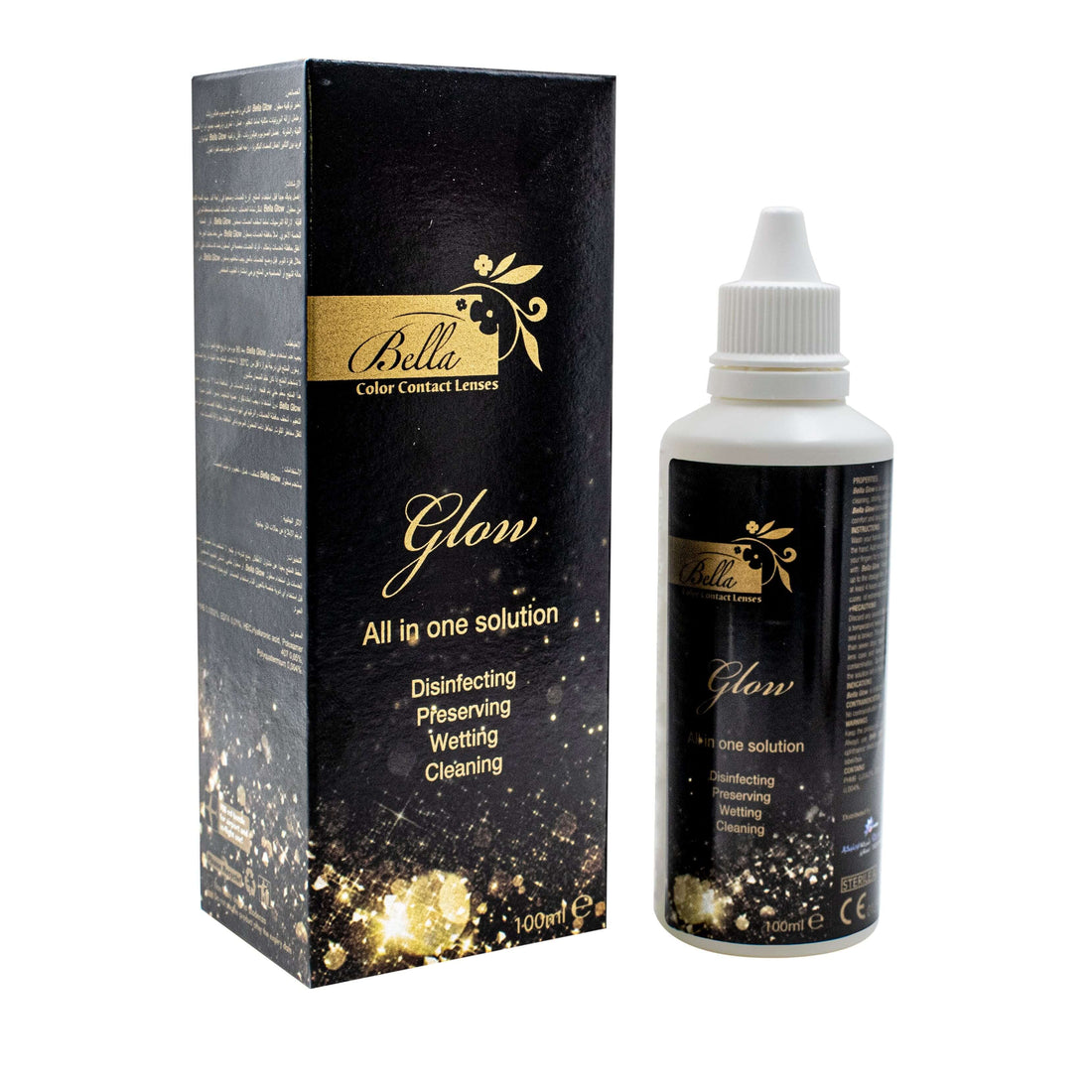

Contact lenses can be packed in both hand luggage and checked bags when flying from the UK. Sealed blister packs of daily disposable lenses are not classified as liquids and have no quantity limit. Contact lens solution must be in a container of 100ml or less and placed in a clear resealable plastic bag at most UK airports.
Packing contact lenses for a flight is straightforward once you know the rules – and the UK rules are slightly different from what you might read on US travel sites. This guide covers what goes in your hand luggage, what can go in your checked bag, how many lenses you can bring, and why daily disposables are the simplest choice for any flight.

Can You Take Contact Lenses on a Plane? UK Rules Explained
The answer is yes, and the rules are more straightforward than most people expect. The key distinction is between lenses themselves and the liquid products that go with them. Once you understand that distinction, packing becomes simple.
Daily disposable contact lenses and hand luggage
Sealed blister packs of daily disposable lenses are not classified as liquids under UK airport security regulations. This means they do not need to go into a clear plastic bag, they do not count toward your liquid allowance, and there is no restriction on the number of packs you can bring. They can go into your hand luggage or your checked bag, and you do not need to declare them separately at the security point.
Monthly and two-weekly lenses in hand luggage
If you wear monthly or two-weekly lenses and want to keep them in your hand luggage during the flight, the lenses themselves can travel in your lens case. The contact lens solution in the case must not exceed 100ml, and any bottles of solution you carry must each be 100ml or less and placed in a clear resealable plastic bag along with your other liquids.
How many contact lenses can you take on a plane?
There is no legal limit on the number of sealed daily disposable lenses you can take on a UK flight. You can bring as many packs as your trip requires. The only restriction that applies to quantity is for solution bottles: each must be 100ml or less per container. The recommendation from opticians is to pack enough lenses for your entire trip plus an extra two to three days as a buffer for delays, missed connections, or damaged lenses.
UK airport scanner changes – what they mean for contact lens wearers
As of 2026, more than ten UK airports have installed new CT security scanners that create a three-dimensional image of bag contents. At airports with these new scanners, passengers no longer need to remove liquids from their hand luggage for separate screening. However, the 100ml per container limit for liquids still applies at every UK airport, with or without the new scanners. A 200ml bottle of contact lens solution cannot go in your hand luggage regardless of which scanner technology the airport is using. If you are unsure which type of scanner your departure airport has, check its official website before you travel.
See more: Can You Wear Colored Contacts Daily? Your Complete Guide

How to Pack Contact Lenses for Your Flight: A Complete Checklist
Getting your lens kit organised before you leave for the airport removes the stress of sorting through security. The table below shows exactly what can go where, so you can pack confidently and move through security without surprises.
|
Item |
Hand luggage |
Checked luggage |
Notes |
|---|---|---|---|
|
Daily disposable lenses (sealed blister packs) |
Yes – no liquid bag needed |
Yes |
No quantity limit; not classed as liquid |
|
Monthly or 2-weekly lenses in case with solution |
Yes – solution in liquid bag |
Yes |
Solution max 100ml per container |
|
Contact lens solution (100ml or less) |
Yes – in clear liquid bag |
Yes |
Pack 100ml travel bottle for hand luggage |
|
Contact lens solution (over 100ml) |
No |
Yes |
Full-size bottles go in checked bag only |
|
Eye drops or rewetting drops (100ml or less) |
Yes – in clear liquid bag |
Yes |
Preservative-free recommended for flights |
|
Spare glasses |
Yes |
Not recommended |
Essential backup if lens becomes uncomfortable |
|
Lens case |
Yes |
Yes |
Keep with you if wearing monthly lenses |
|
Prescription info or box label |
Yes |
Yes |
Useful if you need replacements abroad |
The most important rule to remember is that sealed blister packs are treated as personal medical items, not liquids, while any bottled product – solution, eye drops, rewetting drops – is subject to the 100ml container limit and must go in your liquid bag at most UK airports.
Daily vs monthly lenses: packing comparison
The lens type you wear makes a significant difference to how much you need to carry and how straightforward the security process is.
|
Daily disposable lenses |
Monthly lenses |
|
|---|---|---|
|
Solution needed for travel |
No |
Yes – 100ml bottle in liquid bag |
|
Lens case needed |
No |
Yes |
|
Space and weight in hand luggage |
Minimal |
More: bottle, case, and spare solution |
|
Security process |
No liquid bag step |
Liquid bag required |
|
If a lens is damaged or lost mid-trip |
Open the next sealed pair |
Need spare lenses and solution |
|
Best suited to |
Short trips, frequent flyers, coloured lens wearers |
Long trips, established monthly wearers |
Daily disposable lenses are consistently the simpler option for air travel. Each pair is individually sterile-sealed, no cleaning products are needed, and the packs pass through security with no additional steps. If you want to pack contact lenses for flying with zero liquid bag complications, daily disposables are the format that achieves it.

Can You Wear Contact Lenses on the Plane?
Wearing lenses during a flight is permitted and common, but cabin conditions affect comfort in ways that are worth understanding before you board. Aircraft cabins maintain very low humidity – typically between 10 and 20 percent – which is far drier than any normal indoor environment. This accelerates lens dehydration and makes eyes feel dry, gritty, or strained more quickly than they would on the ground.
Should you wear contacts during the flight?
For short flights of under three hours, wearing contact lenses throughout is generally comfortable if you use rewetting drops regularly. For long-haul flights of four hours or more, most opticians recommend removing lenses before boarding and switching to glasses for the duration of the flight, then reinserting lenses after landing. This protects the cornea from extended exposure to dry recirculated air and reduces the risk of discomfort or lens-related irritation on arrival.
Can you sleep in contact lenses on a plane?
No. Even if you wear extended-wear lenses that are approved for overnight use at home, sleeping in contact lenses on a flight carries additional risk because of the extremely dry cabin air. The combination of reduced tear production during sleep and low cabin humidity significantly increases the risk of corneal dryness and irritation. Always remove lenses before sleeping on any flight, regardless of lens type or how short the nap.
Can you wear contact lenses through airport security?
Yes. You do not need to remove your contact lenses at the security checkpoint. The body scanner used at airport security has no effect on contact lenses and they do not need to be declared.
See more: Can You Sleep With Contacts In? What You Need to Know
Packing Coloured Contact Lenses for a Flight
Coloured contact lenses follow exactly the same UK airport rules as clear lenses, but there are a few practical points that are particularly relevant for coloured lens wearers that no other travel guide addresses.

The packing rules are identical to clear lenses
Sealed blister packs of daily coloured disposable lenses are not liquids and go straight into hand luggage without a liquid bag. Coloured monthly lenses stored in a lens case with solution follow the same 100ml container limit as any other monthly lens. The colour or tint of the lens has no bearing on how it is classified at security.
Why coloured daily lenses are ideal for air travel
Daily disposable coloured contact lenses are the most practical format for any trip. There is no solution to pack, no lens case to carry, and no liquid bag step at security. A week's supply of daily coloured lenses takes up far less space than a monthly lens kit. Each pair is individually sterile-sealed, which also reduces the infection risk that comes with handling lenses in airport bathrooms or aeroplane lavatories where soap and clean water are not always reliable. If a coloured lens becomes uncomfortable mid-flight, you simply remove it and use glasses or your spare pair rather than attempting to clean and reinsert it in a dry cabin environment.
See more: Do Coloured Contact Lenses Affect Vision? What UK Wearers Need to Know
Tips for Keeping Your Eyes Comfortable During the Flight
Even if you follow all the packing rules correctly, cabin conditions can still make contact lens wear uncomfortable without the right preparation. These practical steps make a consistent difference to how your eyes feel during and after any flight.
Rewetting drops – your in-flight essential
Pack a travel-size bottle of preservative-free rewetting drops (100ml or less) in your hand luggage and apply them every one to two hours during longer flights. Use drops specifically formulated for contact lens wear rather than general eye drops, as incompatible drops can cause lens discomfort or blur your vision temporarily. The preservative-free format reduces the risk of accumulation on the lens surface over a long flight.
Stay hydrated and blink consciously
Drinking water regularly throughout the flight helps maintain the body's overall hydration, which in turn supports tear production. People reading screens or watching films blink significantly less than normal, which accelerates lens dryness. If you are using screens on a long flight, make a conscious effort to blink fully and regularly throughout.
Hand hygiene when handling lenses mid-flight
If you need to adjust or remove a lens during the flight, wash your hands thoroughly with soap and water before touching your eyes. If the lavatory sink is unavailable, use hand sanitiser with at least 60 percent alcohol content and wait until your hands are completely dry before handling the lens. Damp hands are as risky as unwashed hands when it comes to introducing bacteria to the eye.
See more: Are Contact Lenses Safe? Expert Advice on Risks, Benefits and Proper Care

Frequently Asked Questions
The questions below reflect what UK contact lens wearers search most often when preparing for a flight.
Do contact lenses count as liquids on a plane?
Sealed blister packs of disposable lenses are not liquids and need no liquid bag. Contact lens solution does count as a liquid and must be in a container of 100ml or less at all UK airports.
How many contact lenses can you take on a plane in the UK?
There is no limit on sealed daily disposable lenses. Pack as many as your trip requires plus extras for delays. Solution bottles must each be 100ml or less, with no limit on the number of bottles.
Can you wear contact lenses through UK airport security?
Yes. You do not need to remove lenses at the security checkpoint. Body scanners used at UK airports have no effect on contact lenses and they do not need to be declared.
Can you fly with coloured contact lenses?
Yes. Coloured lenses follow the same rules as clear lenses. Sealed daily coloured lens blister packs go in hand luggage without a liquid bag. Coloured monthly lenses in solution need a 100ml container in the liquid bag.
What should I do if I lose a contact lens mid-flight?
If wearing daily disposables, open a fresh sterile pair from your hand luggage. If wearing monthly lenses, switch to your spare glasses for the rest of the flight. Always pack backup glasses when travelling with contacts.
Packing contact lenses for a UK flight requires knowing two things: sealed daily lens blister packs are not liquids and carry no restrictions, while any bottled product must be 100ml or less per container. Daily disposable lenses make the whole process simpler – no solution, no case, no liquid bag step. Pack your glasses as a backup, bring rewetting drops for the cabin air, and never sleep in your lenses during a flight.
This article is for informational purposes only. Airport security regulations may vary and are subject to change; always check your departure airport's current rules before travelling.