
Key Takeaway
-
Most UK health insurance policies do not automatically cover contact lenses unless they are medically necessary for specific eye conditions.
-
Vision insurance or optical add-ons typically provide partial coverage for prescription contact lenses, but cosmetic colored lenses are rarely covered.
-
NHS eye care covers contact lenses only in exceptional medical circumstances, such as after cataract surgery or for conditions like keratoconus.
-
Major UK insurers like Bupa, AXA Health, and Vitality Health offer optical benefits that may include contact lens allowances ranging from £50 to £200 annually.
-
Understanding your policy's optical benefits and the difference between medically necessary and cosmetic lenses is crucial for maximizing your insurance coverage.
Understanding Insurance Coverage for Contact Lenses in the UK
When considering whether does insurance cover contact lenses, the answer depends heavily on the type of insurance you hold, the medical necessity of the lenses, and your specific policy terms. In the United Kingdom, the insurance landscape for contact lenses differs significantly from countries like the United States, primarily because the NHS provides baseline eye care services to eligible individuals.
The question of does health insurance cover contact lenses is complex because standard health insurance policies in the UK typically focus on medical treatments, hospitalizations, and specialist consultations rather than routine optical care. Contact lenses fall into a gray area where coverage depends on whether they are deemed medically necessary or simply a lifestyle choice. Most private health insurance providers do not include routine optical care in their basic packages, meaning that prescription contact lenses for standard vision correction are often excluded unless you purchase additional optical coverage.
Understanding your insurance policy's specific terms regarding optical benefits is essential for UK residents. Many people assume their health insurance automatically covers contact lenses, only to discover at claim time that optical care requires a separate add-on or enhanced policy tier. The distinction between core health insurance benefits and optional optical coverage represents a fundamental aspect of how UK insurers structure their products, and this separation directly impacts whether does my insurance cover contact lenses in your particular situation.

NHS Coverage: When Does the National Health Service Cover Contact Lenses?
The NHS provides limited coverage for contact lenses, and understanding these restrictions is essential for UK residents wondering does my insurance cover contact lenses through the public healthcare system. The NHS will only provide contact lenses or contribute to their cost in specific medical situations where glasses are not a suitable alternative.
Medical conditions that may qualify for NHS contact lens coverage include keratoconus, a progressive eye condition where the cornea thins and bulges outward, making standard glasses ineffective. Patients who have undergone cataract surgery or corneal grafts may also receive NHS support for contact lenses when glasses cannot provide adequate vision correction. Additionally, individuals with severe anisometropia, where there is a significant difference in prescription between the two eyes, may qualify for NHS coverage because contact lenses can provide better visual balance than spectacles.
However, even when the NHS covers contact lenses for medical reasons, the selection is typically limited to basic, functional lenses rather than premium options like daily disposable colored lenses or specialty designs. The NHS prioritizes cost-effectiveness and medical necessity, meaning that cosmetic considerations are not factored into coverage decisions.
Patients with conditions like aphakia, where the eye's natural lens is absent following surgery or injury, may also receive NHS support for contact lenses. In these cases, contact lenses serve as essential optical devices for vision rehabilitation rather than routine vision correction. The NHS assessment process requires documentation from an ophthalmologist or specialist optometrist confirming that contact lenses are medically necessary and that alternative options like glasses are inadequate.
For children and young people under 16, or under 19 and in full-time education, NHS eye tests are provided free of charge, but this benefit does not automatically extend to contact lens provision. Only when a medical professional determines that contact lenses are clinically necessary for conditions affecting visual development or specific eye diseases will the NHS consider coverage. Parents should not assume that because their child receives free eye examinations, contact lenses will also be provided without cost.
Private Health Insurance and Contact Lens Coverage
For those with private health insurance, the question does medical insurance cover contact lenses requires careful examination of your policy documents. Most standard private health insurance plans in the UK, including those from major providers like Bupa, Aviva, AXA Health, and Vitality Health, do not automatically include optical benefits in their core coverage.
Private health insurance primarily focuses on covering private medical treatment, diagnostic tests, hospital stays, and specialist consultations. Routine eye care, including eye tests and corrective eyewear like contact lenses or glasses, is considered separate from medical treatment unless there is a specific medical condition requiring intervention. This means that if you simply need contact lenses for myopia, hyperopia, or astigmatism, your standard health insurance policy likely will not cover the cost.
However, many private health insurers offer optical add-ons or enhanced packages that include annual allowances for eye care expenses. These optical benefits typically provide a fixed annual amount, ranging from £50 to £200, that can be used toward eye examinations, glasses, or contact lenses. When evaluating does vision insurance cover contact lenses through private providers, it is essential to check whether your policy includes these optical extras and understand the specific terms and limitations.
The structure of optical add-ons varies considerably between providers. Some insurers offer optical benefits as a standalone module that can be added to any health insurance plan, while others bundle optical coverage only with their premium or comprehensive policy tiers. Understanding how your specific insurer structures optical benefits helps you make informed decisions about whether upgrading your policy for contact lens coverage provides genuine value based on your annual optical expenses.
Private health insurance policies also differ in their claims processes for optical benefits. Some insurers work directly with optical retail partners, allowing you to redeem benefits at point of sale without upfront payment. Other policies require you to pay for contact lenses initially and then submit itemized receipts for reimbursement. Knowing your insurer's preferred claims method streamlines the process and ensures you receive benefits efficiently.
Types of Contact Lenses: What Gets Covered and What Doesn't
Understanding which types of contact lenses are eligible for insurance coverage is crucial for managing expectations and expenses. Insurance providers distinguish between medically necessary lenses and cosmetic or lifestyle lenses, with coverage varying significantly between these categories.
Prescription Contact Lenses for Vision Correction
Prescription contact lenses for standard vision correction are the most likely to receive some level of coverage if your policy includes optical benefits. These lenses are designed to correct common refractive errors including myopia (nearsightedness), hyperopia (farsightedness), astigmatism, and presbyopia (age-related near vision difficulty).
Standard soft contact lenses, whether monthly contact lenses or daily disposables, typically fall under this category. Soft lenses are made from hydrogel or silicone hydrogel materials that allow oxygen to pass through to the cornea, making them comfortable for extended wear. When evaluating does insurance cover contact lenses for basic vision correction, soft lenses prescribed by an optometrist generally qualify for coverage under optical benefit plans.
Toric contact lenses, which are specifically designed to correct astigmatism, also qualify as prescription lenses eligible for insurance coverage. These lenses have different powers in different meridians of the lens and are weighted to remain in the correct orientation on the eye. Because astigmatism is a common refractive error that requires specialized correction, toric lenses are considered medically necessary and typically receive the same coverage consideration as standard spherical lenses.
Multifocal or bifocal contact lenses for presbyopia are another category of prescription lenses that may be covered under optical benefits. These lenses incorporate multiple prescriptions in one lens to help wearers see clearly at different distances without reading glasses. As presbyopia affects most people over age 40, insurance providers generally recognize these lenses as legitimate vision correction tools rather than lifestyle enhancements.
Rigid Gas Permeable and Specialty Medical Lenses
Rigid gas permeable lenses, commonly called RGP or GP lenses, represent a specialized category that often receives favorable coverage consideration. These lenses are made from durable plastic materials that allow oxygen to pass through while maintaining their shape on the eye. RGP lenses are sometimes prescribed for specific corneal conditions, high astigmatism, or cases where soft lenses cannot provide adequate vision correction.
When wondering does health insurance cover contact lenses like RGP lenses, the answer is often yes, particularly when they are prescribed for medical reasons. RGP lenses are more expensive than soft lenses initially but last longer and provide sharper vision for certain conditions. Insurance providers may recognize their medical necessity, especially when prescribed by a specialist for conditions where soft lenses have proven inadequate.
Scleral lenses represent another category of specialty medical contact lenses that may qualify for enhanced coverage. These are large-diameter rigid lenses that vault over the entire cornea and rest on the sclera, the white part of the eye. Scleral lenses create a fluid-filled space over the cornea, making them particularly beneficial for severe dry eye syndrome, keratoconus, post-surgical complications, or irregular corneas that cannot be fitted with standard lenses.
Because scleral lenses are significantly more expensive than conventional contact lenses and are prescribed primarily for medical conditions rather than routine vision correction, they may receive coverage under your health insurance policy's medical benefits rather than optical benefits. The question of does medical insurance cover contact lenses becomes more nuanced with scleral lenses, as they are often considered therapeutic devices. Patients requiring scleral lenses should work closely with their eye care specialist to document medical necessity and pursue coverage through appropriate insurance channels.
Orthokeratology lenses, also known as ortho-k or overnight contact lenses, are specialty rigid lenses worn during sleep to temporarily reshape the cornea and provide clear vision during the day without lenses. While primarily used for myopia control in children and teenagers, these lenses occupy a gray area in insurance coverage. Some insurers may cover them when prescribed for myopia management in pediatric cases, while others classify them as elective vision correction not eligible for coverage.
Colored Contact Lenses and Cosmetic Options
Colored contact lenses and cosmetic lenses represent the category least likely to receive any insurance coverage in the UK. These lenses are designed to change or enhance eye color for aesthetic purposes, making them cosmetic enhancements rather than medical necessities in the eyes of insurance providers.
Enhancement tint colored lenses, which deepen or intensify natural eye color, are excluded from coverage even when they include vision correction. Lenses like cool hazel contact lenses or ash brown contact lenses fall into this category. While these lenses may be prescription lenses that correct refractive errors, the color component classifies them as cosmetic, disqualifying them from insurance reimbursement.
Opaque colored lenses, which completely change eye color, are definitively excluded from all insurance coverage. Products like emerald green contact lenses, ocean blue contact lenses, platinum gray contact lenses, or radiant brown contact lenses are considered purely cosmetic regardless of whether they include vision correction. Insurance policies draw a clear line between medical necessity and aesthetic enhancement, placing all colored lenses firmly in the latter category.
Prescription colored contact lenses that combine vision correction with color enhancement might seem like they should qualify for partial coverage, but insurance providers typically deny these claims entirely. Even if you purchase prescription colored contacts like jade green prescription contact lenses or vivid blue prescription contact lenses, insurers will not reimburse any portion of the cost because the cosmetic nature of the product overrides the corrective function.
Natural-looking colored lenses designed to subtly enhance appearance while maintaining a realistic look also fall outside insurance coverage. Collections like natural colored contact lenses, elite contact lenses, or diamond contact lenses are marketed for everyday wear and natural enhancement, but their aesthetic purpose excludes them from coverage regardless of how subtle or natural the color change may be.
Party Lenses, Novelty Lenses, and Special Effects
Party and novelty lenses represent the category most definitively excluded from all insurance coverage. These lenses are designed purely for entertainment, costume, or special effects purposes and have no medical justification whatsoever.
Lenses from the party collection including products like zombie black contact lenses, zombie red contact lenses, red cat eye contact lenses, or yellow cat party contact lenses are unequivocally excluded from any insurance consideration. These lenses are intended for Halloween, cosplay, theatrical performances, or themed parties, making them purely recreational purchases.
Glow-in-the-dark contact lenses and UV-reactive lenses like glow contact lenses are similarly excluded. While these products must meet safety standards and require prescriptions in the UK, their entertainment purpose means no insurance policy will provide coverage or reimbursement.
Special effects lenses with dramatic patterns, such as green wolf party contact lenses or wild fire contact lenses, fall into the same category. Even if purchased from a legitimate optical retailer with a valid prescription, the novelty nature of these products places them entirely outside the scope of insurance coverage.
Daily Disposable vs. Monthly Lenses: Coverage Considerations
The wearing schedule of your contact lenses does not typically affect whether insurance covers them, but it does impact how far your optical benefit allowance will stretch. Both daily disposable and monthly lenses qualify for coverage under optical benefits when prescribed for vision correction, but the cost implications differ significantly.
Daily disposable contact lenses like daily contact lenses or dye daily lenses offer maximum convenience and hygiene because you discard them after each use. However, these lenses are more expensive on an annual basis than monthly or bi-weekly lenses. An annual supply of daily disposables can cost £300 to £600 or more, meaning a £100 optical allowance covers only a small fraction of the total cost.
Monthly contact lenses require more maintenance but cost significantly less over time. A year's supply of monthly lenses might cost £150 to £250, making an insurance allowance of £100 to £150 more impactful. When considering does vision insurance cover contact lenses adequately, the wearing schedule becomes important because it determines whether your optical benefit provides meaningful cost relief or merely symbolic assistance.
Some insurance policies specify that their optical allowance applies to one pair of glasses or one supply of contact lenses per benefit period. Understanding these terms helps you decide whether to use your benefit for contact lenses or save it for prescription eyewear, depending on which provides greater value for your situation.
Comparison of Major UK Insurance Providers and Contact Lens Coverage
When researching does insurance cover contact lenses, comparing major UK insurance providers helps identify which policies offer the best optical benefits. Each insurer structures their optical coverage differently, with varying annual allowances, coverage terms, and eligibility requirements.
Bupa Health Insurance
Bupa, one of the UK's largest private health insurers, offers optical cover as an optional add-on to their health insurance policies. Their optical benefit typically provides an annual allowance of up to £100, which can be used toward eye tests, glasses, or contact lenses. This allowance applies per person covered under the policy, making it suitable for families. Bupa's optical cover is available on most of their health insurance plans, including their comprehensive and classic options, but must be specifically selected when purchasing or renewing your policy.
The Bupa optical benefit covers prescription contact lenses but excludes cosmetic or colored lenses that do not correct vision. Claims can be made annually, and the benefit resets each policy year. Bupa requires that contact lenses be purchased from a registered optical provider, and receipts must be submitted for reimbursement. The claims process typically takes two to three weeks, and policyholders can submit claims online through the Bupa member portal or by posting itemized receipts to their claims department.
Bupa's approach to optical benefits emphasizes flexibility and family coverage. If you have multiple family members on the same policy, each person receives their own £100 annual allowance, which can significantly offset household optical expenses. For families with children who wear contact lenses or adults who require regular prescription updates, this per-person benefit structure provides genuine value that accumulates across the household.
AXA Health
AXA Health offers optical coverage through their Health Select and Personal Health plans, with optical benefits typically providing between £50 and £150 annually depending on the plan level. Their optical cover can be used for eye examinations, prescription glasses, and prescription contact lenses. AXA's approach to optical benefits emphasizes flexibility, allowing policyholders to allocate their annual allowance across multiple family members if desired.
Does vision insurance cover contact lenses under AXA Health? Yes, but only prescription lenses for vision correction. AXA specifically excludes cosmetic lenses, non-prescription colored contacts, and specialty lenses that are not medically necessary. Their claims process requires itemized receipts from qualified opticians, and benefits are typically processed within two to three weeks.
AXA Health distinguishes itself through its partnership network with major optical retailers across the UK. Policyholders can often access preferential rates or streamlined claims processes when purchasing contact lenses from partner providers. This network approach simplifies the claims experience and may provide additional savings beyond the basic optical allowance, making AXA's optical benefit more valuable than the nominal allowance amount might suggest.
The tiered structure of AXA's optical benefits means that premium policyholders receive significantly higher annual allowances than those on basic plans. When selecting an AXA policy, evaluating your annual contact lens expenses against the incremental premium cost for higher optical benefits helps determine which tier offers optimal value for your specific situation.
Vitality Health Insurance
Vitality Health takes a unique approach to optical benefits by integrating them into their rewards program. Policyholders can earn optical vouchers worth up to £200 every two years through their Vitality program by engaging in healthy activities and accumulating points. These vouchers can be used at partner optical retailers for eye tests, glasses, or contact lenses.
The Vitality optical benefit covers prescription contact lenses, including specialized lenses for conditions like astigmatism or presbyopia. However, colored or cosmetic lenses remain excluded from coverage. Vitality partners with major UK optical chains, making it convenient for policyholders to redeem their benefits without upfront payment in many cases.
Vitality's rewards-based approach creates an interesting dynamic where your optical benefit value depends on your engagement with the program. Active members who consistently participate in health-tracking activities, gym visits, and wellness screenings can maximize their optical allowance, while less engaged members may receive reduced benefits. This structure aligns with Vitality's broader philosophy of incentivizing healthy behaviors through tangible rewards.
The biannual structure of Vitality's optical benefit differs from most competitors who offer annual allowances. While £200 every two years equates to £100 annually on average, the lump-sum availability every other year may suit contact lens wearers who prefer purchasing larger supplies less frequently rather than smaller annual orders.
Aviva Health Insurance
Aviva offers optical cover as an optional extra on their health insurance policies, providing an annual benefit of approximately £75 to £100 depending on the policy tier. Their optical benefit covers routine eye examinations and prescription eyewear, including contact lenses. Aviva requires that optical services be obtained from registered optometrists or optical retailers, and claims must be supported by itemized receipts.
When considering does my insurance cover contact lenses through Aviva, policyholders should note that the optical benefit is separate from their main health insurance coverage and must be explicitly added to the policy. The benefit covers standard prescription contact lenses but excludes cosmetic options like elite contact lenses or diamond contact lenses that include aesthetic enhancements.
Aviva's optical benefit operates on a claims reimbursement model, requiring policyholders to pay upfront and submit receipts for reimbursement. While this process adds an administrative step compared to direct billing arrangements, it provides flexibility to purchase contact lenses from any qualified provider rather than being restricted to a specific retail network.
Comparison Summary Table
|
Insurance Provider |
Annual Optical Allowance |
Covers Prescription Contact Lenses |
Covers Colored/Cosmetic Lenses |
Additional Notes |
|
Bupa |
Up to £100 |
Yes |
No |
Optional add-on; per person benefit |
|
AXA Health |
£50-£150 |
Yes |
No |
Varies by plan level; partner network |
|
Vitality Health |
Up to £200 (every 2 years) |
Yes |
No |
Earned through rewards program |
|
Aviva |
£75-£100 |
Yes |
No |
Optional extra; reimbursement model |
This comparison demonstrates that while major UK insurers do provide some optical benefits that can be applied to contact lenses, the coverage is limited to prescription lenses for vision correction. The annual allowances typically cover only a portion of contact lens expenses, particularly for those who wear daily disposable lenses or require specialized prescriptions. Understanding each provider's specific structure, claims process, and network partnerships helps you select the insurance option that best aligns with your contact lens needs and purchasing preferences.
Vision Insurance vs. Health Insurance: Understanding the Difference
The distinction between health insurance and vision insurance is important when determining does health insurance cover contact lenses versus does vision insurance cover contact lenses. In the UK, vision insurance or optical cover is typically an add-on to health insurance rather than a standalone product, unlike in the United States where separate vision insurance plans are common.
Vision insurance or optical benefits are designed specifically to cover routine eye care, including regular eye examinations, prescription glasses, and contact lenses. These benefits focus on maintaining eye health and correcting refractive errors rather than treating medical conditions. When you purchase optical cover as an add-on to your health insurance, you are essentially buying vision insurance that provides annual allowances for optical expenses.
Standard health insurance, by contrast, covers medical treatment for eye diseases and conditions such as cataracts, glaucoma, retinal detachments, or eye injuries. If you develop a serious eye condition requiring surgery or specialist treatment, your health insurance would cover these expenses, but it would not typically cover the routine cost of contact lenses unless they are specifically prescribed as part of post-operative care or medical treatment.
The structural separation between health and vision benefits reflects how insurance companies categorize risk and actuarial cost. Medical eye conditions represent unpredictable, high-cost events that insurance is designed to protect against, while routine optical care represents predictable, regular expenses that individuals can budget for independently. This distinction explains why health insurance premiums focus primarily on medical coverage, with optical benefits offered as optional enhancements rather than core components.
Understanding this distinction helps clarify why many people experience confusion about contact lens coverage. Your comprehensive health insurance policy may provide excellent coverage for medical treatments, hospital stays, and specialist consultations, yet offer no support for routine contact lens purchases unless you have specifically added optical benefits. The question does medical insurance cover contact lenses often arises from this misunderstanding about what standard health insurance is designed to cover.
Maximizing Your Insurance Benefits for Contact Lenses
For UK residents wondering does my insurance cover contact lenses, understanding how to maximize available benefits can reduce out-of-pocket expenses. Even with limited coverage, strategic planning can help you make the most of your optical allowance.
First, carefully review your insurance policy documents to identify whether optical benefits are included and understand the annual allowance amount. Many policyholders are unaware that they have optical coverage because it is listed as an optional extra or requires activation. Contact your insurance provider's customer service team to confirm your optical benefits and ask specific questions about contact lens coverage, including any restrictions on lens types, approved providers, or claims submission requirements.
Timing your contact lens purchases strategically can also maximize benefits. If your optical allowance resets annually based on your policy renewal date, plan major purchases accordingly. For example, if you wear daily contact lenses and need a six-month or annual supply, purchasing just before and just after your renewal date could allow you to use two years of benefits for a single large supply, effectively doubling your coverage value.
Consider splitting expenses between covered and non-covered items. If you want both prescription contact lenses and colored contacts for cosmetic purposes, use your insurance benefit for the prescription lenses and pay out-of-pocket for colored lenses from affordable providers. This approach ensures you receive maximum reimbursement for eligible expenses while still accessing cosmetic options that enhance your appearance for special occasions.
Keep detailed records of all optical purchases, including itemized receipts from registered optometrists and optical retailers. Insurance providers typically require proof of purchase that includes the date, provider name, registration number, specific items purchased with individual prices, and total cost. Maintaining organized records simplifies the claims process and ensures you receive timely reimbursement. Consider creating a dedicated folder, either physical or digital, where you store all optical-related receipts and correspondence with your insurance provider.
Some insurance providers offer digital claims submission through mobile apps or online portals, which can accelerate processing times compared to postal submissions. Familiarize yourself with your insurer's preferred claims method and use it consistently to minimize delays. If your insurer partners with specific optical retailers for direct billing, taking advantage of these partnerships eliminates the need for upfront payment and subsequent reimbursement claims.
When Contact Lenses Might Be Covered as Medical Devices
In certain medical situations, does medical insurance cover contact lenses becomes a more nuanced question because the lenses are prescribed as medical devices rather than routine vision correction. Understanding these scenarios can help patients access coverage that might otherwise be unavailable.
Contact lenses prescribed for therapeutic purposes, such as bandage contact lenses used after corneal surgery or injury, may be covered under your health insurance policy's medical benefits rather than optical benefits. These lenses protect the cornea during healing and are considered part of medical treatment rather than vision correction. Therapeutic contact lenses are typically prescribed by ophthalmologists following procedures like phototherapeutic keratectomy, corneal transplants, or treatment for recurrent corneal erosions.
Similarly, contact lenses prescribed for corneal conditions like keratoconus, where standard glasses cannot provide adequate vision, may qualify for coverage under medical necessity provisions. Keratoconus causes progressive thinning and distortion of the cornea, making it impossible to achieve clear vision with spectacles alone. Specialty contact lenses, particularly rigid gas permeable or scleral lenses, are often the only effective treatment option for moderate to advanced keratoconus. When prescribed for this purpose, insurers may recognize them as medical devices necessary for functional vision rather than elective vision enhancement.
Pediatric cases sometimes receive more favorable coverage consideration. Children with significant refractive errors, amblyopia, or other conditions where contact lenses provide superior outcomes compared to glasses may qualify for insurance coverage more readily than adults seeking lenses for convenience or aesthetics. Some insurers recognize that contact lenses for children can be medically preferable for developmental and psychological reasons, particularly in cases where wearing glasses might impede physical activity, social development, or amblyopia treatment compliance.
Post-surgical contact lens needs, such as after cataract surgery or refractive surgery complications, are more likely to receive coverage because they are directly related to medical treatment. If you require contact lenses as part of your recovery or to address surgical outcomes that did not meet expectations, work with your ophthalmologist to document the medical necessity clearly in your insurance claims. Detailed clinical documentation explaining why contact lenses are medically necessary rather than elective significantly improves approval chances.
Aphakia, the absence of the eye's natural lens following surgery or trauma, represents another situation where contact lenses may qualify as medical devices. Aphakic patients require strong plus prescriptions for functional vision, and contact lenses often provide better optical quality than thick aphakic spectacles. Insurance providers are more likely to cover contact lenses for aphakia because they serve as essential prosthetic devices for vision rehabilitation rather than routine correction.
Alternative Options for Affordable Contact Lenses in the UK
For UK residents whose insurance does not adequately cover contact lens expenses, several alternative options can make contact lenses more affordable without relying on insurance coverage.
Online retailers often offer significant savings compared to traditional optical shops. Websites specializing in contact lenses, including providers of all prescription lenses, typically have lower overhead costs and can pass savings to customers. However, ensure that any online retailer you use is registered with the General Optical Council and requires a valid prescription before selling contact lenses. Reputable online contact lens retailers offer the same quality products as high-street opticians but at prices often 30 to 50 percent lower.
When purchasing contact lenses online, verify that the retailer stocks genuine manufacturer products rather than gray market imports that may not meet UK safety standards. Look for retailers that display their GPhC registration number prominently on their website and require prescription verification before completing purchases. Legitimate retailers will contact your optician to verify prescription details if you cannot provide written documentation, ensuring you receive lenses with correct specifications.
Subscription services for contact lenses have become increasingly popular in the UK, offering regular deliveries of fresh lenses at discounted prices. These services often provide better value than purchasing lenses individually, particularly for those who wear daily disposables or monthly lenses consistently. Subscription models eliminate the inconvenience of remembering to reorder lenses while securing preferential pricing through volume commitments. Some services also include benefits like exclusive solution samples or complimentary lens care products.
Taking advantage of promotions and sales can also reduce costs. Many contact lens providers offer seasonal discounts, bulk purchase savings, or promotional offers on popular products like contour contact lenses or best sellers. Signing up for newsletters from optical retailers can alert you to upcoming sales, exclusive discount codes, or special offers that significantly reduce per-lens costs.
Consider whether you truly need daily disposable lenses or if monthly or bi-weekly lenses would meet your needs. While daily lenses offer maximum convenience and hygiene, monthly lenses are significantly more cost-effective for regular wearers. Discussing options with your optometrist can help you find the right balance between convenience, comfort, and cost. For occasional lens wearers who primarily wear glasses, daily disposables may prove most economical despite higher per-lens costs because you only use lenses when needed without worrying about cleaning and storage.
Some optical chains offer price-matching policies where they will match or beat competitor prices for identical contact lens products. If you find lower prices online but prefer purchasing from established high-street retailers for convenience or trust, inquire whether your local optician offers price matching. This approach combines the affordability of online shopping with the customer service and professional support of traditional optical practices.
Manufacturer rebates and loyalty programs represent another cost-saving opportunity. Major contact lens manufacturers occasionally offer mail-in rebates or cashback promotions when you purchase annual supplies. Additionally, some manufacturers operate loyalty programs that reward repeat customers with discounts, exclusive offers, or complimentary trial lenses of new products.
Understanding Policy Exclusions and Limitations
Beyond knowing does insurance cover contact lenses, understanding common policy exclusions and limitations prevents disappointment when filing claims. Insurance policies include specific language defining what is covered and excluded, and contact lens coverage often contains numerous caveats.
Most optical benefit policies explicitly exclude contact lenses prescribed for cosmetic purposes, including any lenses with color or tint regardless of whether they include vision correction. This exclusion applies even to subtle enhancement tints or natural-looking colors, meaning collections like hazel colored contact lenses or brown colored contact lenses receive no coverage despite potentially including prescription correction.
Annual benefit caps limit the maximum reimbursement available each year, and these caps apply to total optical expenses rather than specifically to contact lenses. If you use your optical allowance for eye examinations or prescription glasses early in the benefit year, you may have little or no remaining allowance for contact lens purchases. Understanding how your insurer allocates optical benefits across different optical products helps you prioritize spending to maximize value.
Some policies limit coverage to specific lens types or wearing schedules. For example, a policy might cover monthly lenses but exclude daily disposables, or provide coverage only for soft lenses while excluding rigid gas permeable options. These restrictions typically reflect cost-containment measures by insurers who want to limit their exposure to the most expensive contact lens options.
Pre-authorization requirements represent another potential limitation. Some insurers require approval before purchasing contact lenses, particularly specialty or high-cost lenses. Failing to obtain pre-authorization can result in claim denial even if the lenses themselves would ordinarily be covered. Always check your policy terms regarding pre-authorization and follow required procedures to avoid unexpected out-of-pocket expenses.
Provider network restrictions may limit where you can purchase contact lenses while maintaining insurance coverage. Some insurers only reimburse purchases from registered optical practices or approved retail partners, excluding online retailers or discount optical shops. Understanding your insurer's provider requirements prevents purchasing lenses from sources that will not qualify for reimbursement.
Questions to Ask Your Insurance Provider
When evaluating does vision insurance cover contact lenses under your specific policy, asking targeted questions helps clarify coverage details and claim procedures. Contact your insurance provider's customer service team armed with specific questions about contact lens coverage.
Start by confirming whether your policy includes optical benefits at all. Ask specifically whether optical coverage is included in your base policy or requires an additional premium payment. If optical benefits are optional, inquire about the additional cost and whether adding optical coverage would provide value based on your typical annual contact lens expenses.
Request detailed information about annual allowance amounts and how they can be used. Ask whether the allowance applies per person or per family, how often it resets, and whether unused allowance carries over to subsequent years. Understanding allowance structure helps you plan purchases strategically to maximize benefit value.
Clarify which types of contact lenses qualify for coverage. Ask specifically about prescription soft lenses, toric lenses for astigmatism, multifocal lenses for presbyopia, rigid gas permeable lenses, and specialty medical lenses. Understanding which lens categories qualify prevents purchasing non-covered products assuming they will be reimbursed.
Inquire about the claims submission process, required documentation, and typical processing timelines. Ask whether claims must be submitted via mail, online portal, or mobile app, what documentation is required for successful claims, and how long reimbursement typically takes. Understanding administrative requirements streamlines the claims process and sets appropriate expectations.
Ask about provider restrictions and whether you can purchase contact lenses from any registered optician or must use specific retail partners. If provider networks exist, request a list of approved retailers or inquire whether your preferred optical shop participates in the network.
The Future of Contact Lens Insurance Coverage in the UK
The landscape of contact lens insurance coverage continues to evolve as the optical market changes and consumer preferences shift. Understanding emerging trends helps anticipate how does insurance cover contact lenses may change in coming years.
Increasing popularity of daily disposable contact lenses is pressuring insurers to reconsider optical benefit structures. As more wearers choose daily lenses for hygiene and convenience, traditional optical allowances designed around monthly or annual supply costs become less adequate. Some insurers are responding by increasing optical benefits or introducing tiered allowances that provide higher reimbursement for daily disposable wearers.
Growth in online contact lens retail is also influencing insurance policy terms. As consumers increasingly purchase contact lenses online rather than from traditional optical shops, insurers are adapting policies to accommodate online purchases while maintaining safety standards. Some insurers now reimburse online purchases from GPhC-registered retailers, recognizing that prohibiting online purchases would alienate tech-savvy policyholders.
Advances in specialty contact lens technology for medical conditions may expand coverage for therapeutic lenses. As scleral lenses, hybrid lenses, and other specialty designs become more established treatment options for conditions like keratoconus and severe dry eye, insurers may develop clearer coverage pathways for these medical devices. Improved clinical evidence supporting specialty lens outcomes could justify coverage under medical benefits rather than optical allowances.
Integration of vision care into comprehensive wellness programs represents another trend. Some insurers are exploring holistic health approaches that recognize the connection between eye health and overall wellbeing, potentially expanding coverage for preventive vision care including contact lenses that enable active lifestyles.
Conclusion: Making Informed Decisions About Contact Lens Insurance
Understanding does insurance cover contact lenses in the UK requires navigating a complex landscape of policy types, coverage limitations, and lens categories. While most standard health insurance policies do not automatically cover routine contact lens purchases, optical add-ons and enhanced policies can provide meaningful financial support for prescription contact lenses.
The key to maximizing insurance benefits lies in understanding your specific policy terms, distinguishing between medically necessary and cosmetic lenses, and strategically using available optical allowances. NHS coverage remains limited to exceptional medical circumstances, making private insurance optical benefits the primary coverage source for most UK contact lens wearers.
When comparing insurance providers, consider not just annual allowance amounts but also claims processes, provider networks, and how well the benefit structure aligns with your contact lens wearing habits. For those whose insurance does not adequately cover contact lens expenses, alternative options like online retailers, subscription services, and promotional offers can make contact lenses affordable without relying on insurance.
By asking informed questions, understanding policy exclusions, and staying aware of your coverage options, you can make strategic decisions about both insurance selection and contact lens purchases. Whether you wear prescription contact lenses for vision correction or are interested in colored contact lenses for aesthetic enhancement, understanding the insurance landscape empowers you to access the lenses you need while managing costs effectively.
Frequently Asked Questions
Does insurance cover colored contact lenses in the UK?
No, insurance policies in the UK do not cover colored or cosmetic contact lenses because they are considered aesthetic enhancements rather than medical necessities. Even if colored lenses include vision correction, such as prescription colored contacts, the cosmetic component disqualifies them from insurance coverage under standard optical benefits.
Can I claim contact lens solution on my insurance?
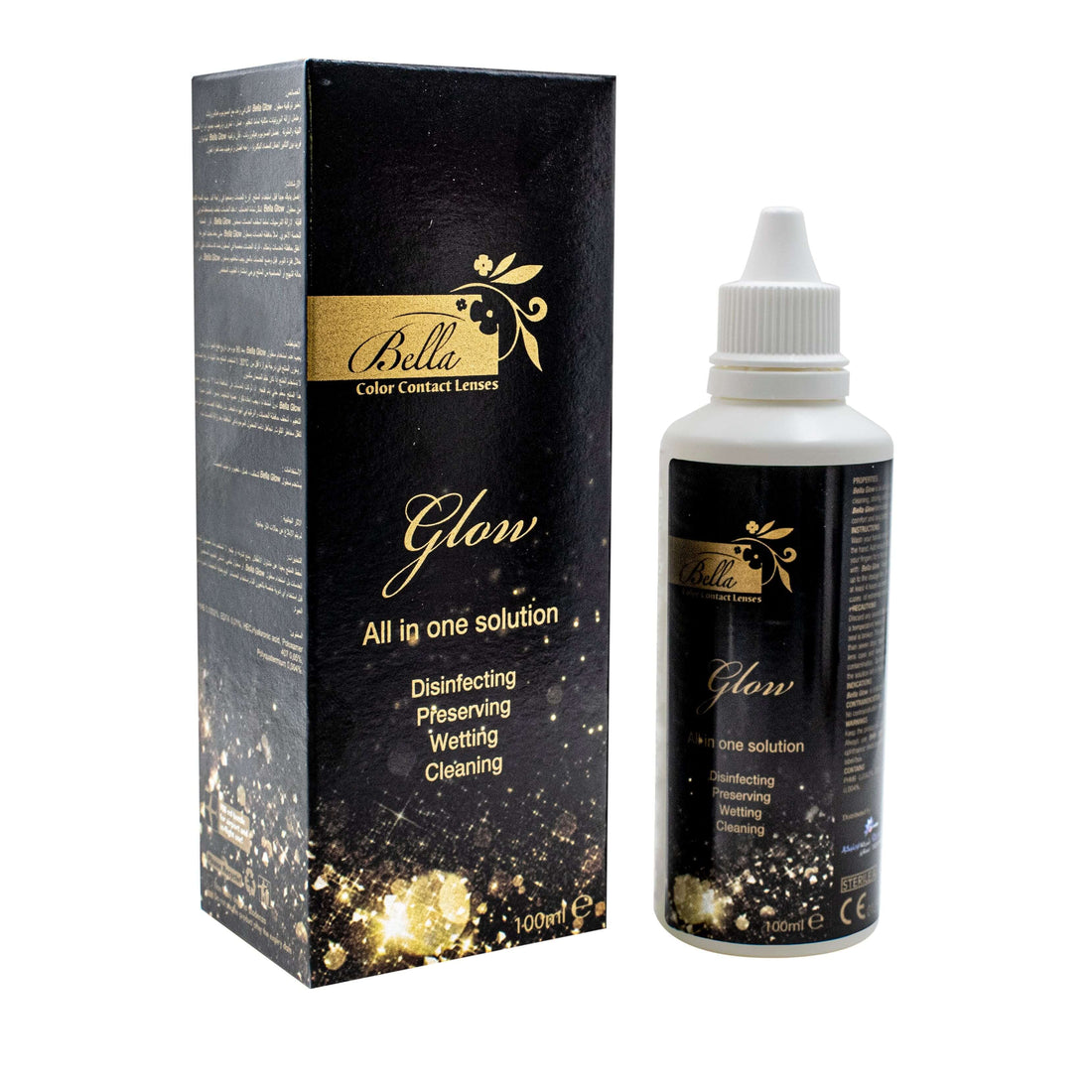
Most UK insurance policies do not cover contact lens solutions or accessories like lens cases. Optical benefits are typically limited to the lenses themselves and eye examinations. However, check your specific policy as some comprehensive plans may include allowances for contact lens care products like exclusive solution.
How do I know if my contact lenses are medically necessary for insurance purposes?
Contact lenses are generally considered medically necessary when standard glasses cannot provide adequate vision correction or when they are required to treat a specific eye condition. Conditions like keratoconus, severe astigmatism, high anisometropia, or post-surgical needs often qualify. Your optometrist or ophthalmologist can provide documentation supporting medical necessity if applicable to your situation.
Do I need pre-authorization from my insurance before purchasing contact lenses?
Pre-authorization requirements vary by insurance provider and policy type. Some insurers, particularly for specialty or high-cost lenses, require approval before purchase to ensure coverage. Always review your policy documents or contact your insurance provider to understand pre-authorization requirements and avoid unexpected claim denials.
Can I use my optical benefit for both glasses and contact lenses in the same year?
This depends on your specific policy terms. Some insurers provide optical allowances that can be divided between glasses and contact lenses within the annual limit, while others specify that the benefit covers either glasses or contact lenses but not both in the same benefit year. Contact your insurance provider to clarify how your optical benefit can be allocated across different optical products.