
Travellers who rely on contact lenses often wonder: “Can I bring contacts on a plane?” and how airport security rules apply to their eyewear and cleaning products. The good news is that flying with contacts is simple once you understand TSA guidelines, liquid limitations, and practical comfort considerations. This guide explains exactly what you can bring, how to pack it, and how to protect your eye health during flights.
Can I Bring Contacts On a Plane?
Contact lenses are permitted on planes, whether you pack them in your carry-on or checked baggage, or wear them during travel. TSA classifies lenses as personal medical items, not liquids, so they pass through screening without special inspection. Travellers can fly safely with daily disposable lenses, monthly soft lenses, and rigid gas-permeable (RGP) lenses.
You may bring contacts in several forms, including:
-
Worn on your eyes: Pass security normally without removing them.
-
Stored in a protective case: The case is treated as a medical item.
-
Unopened retail boxes: Sealed boxes are allowed in any luggage and aren’t considered liquids.
Different lens types handle travel differently. Soft daily disposables are easy to transport because each pair is sterile and individually packaged. Monthly lenses require a case and solution, so they need more attention during packing. Rigid lenses are durable but sensitive to dryness, which makes cabin environments more challenging.
These distinctions help travellers prepare properly and transition smoothly into the next layer of concern: liquids and contact lens solution rules.
Can I Take Contact Lens Solution on a Plane?
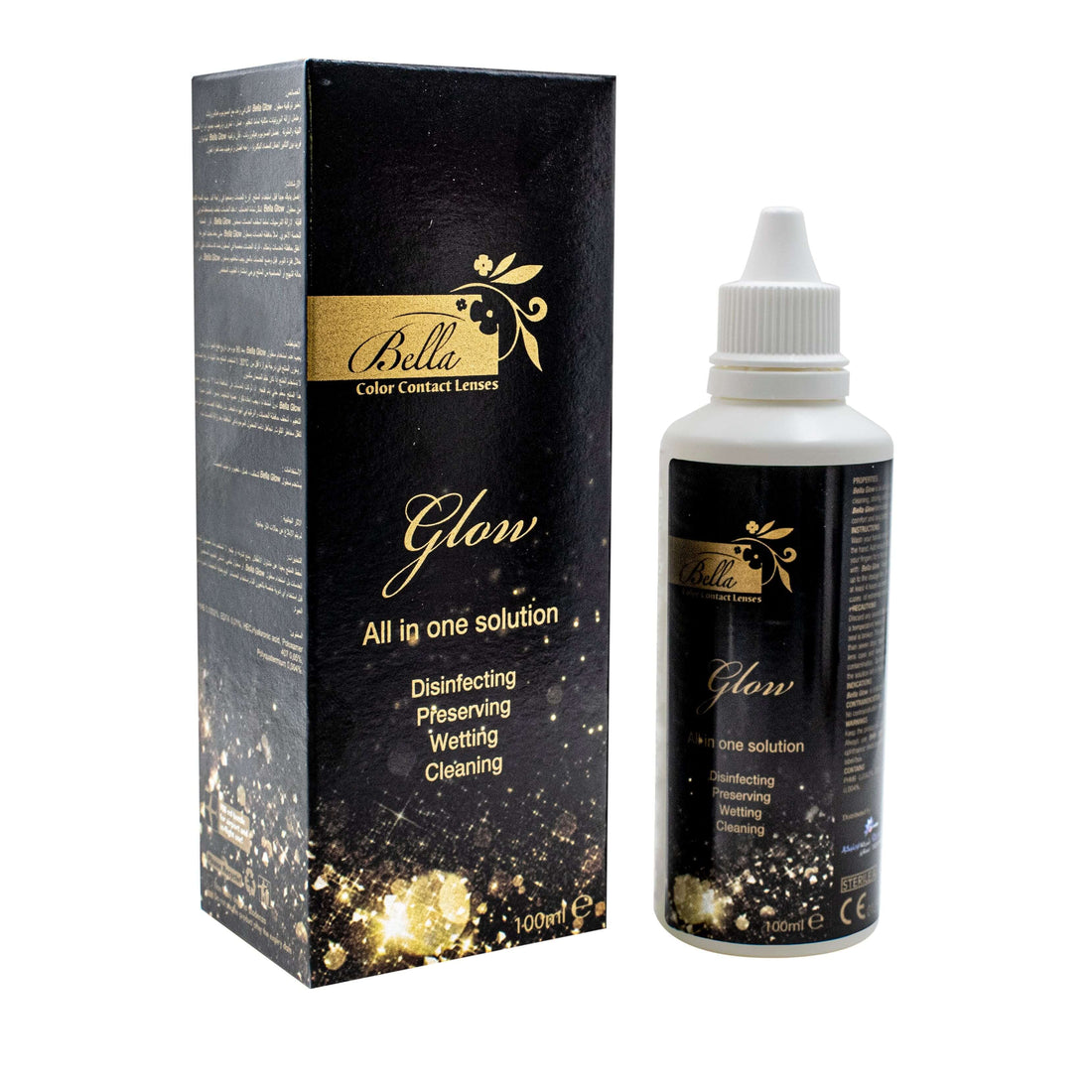
You can bring contact lens solution on a plane, but it must follow the TSA 3-1-1 liquid rule when placed in carry-on luggage. This means each container must be 100 ml (3.4 oz) or less and must fit into a quart-sized liquids bag. Larger bottles, such as 120 ml or 355 ml, must go in checked luggage because they exceed the carry-on limit.
Not all solutions are the same, so travellers should understand the differences:
-
Saline Solution: Sterile saltwater used for rinsing.
-
Multipurpose Solution: Cleans, rinses, disinfects, and stores lenses.
-
Hydrogen Peroxide Solution: Deep-cleans lenses using a neutralising process; requires extra caution.
Before the list, here is what is allowed based on the solution type:
Examples of Carry-On Allowances (100 ml limit):
-
60 ml bottle → Allowed in carry-on
-
100 ml bottle → Allowed in carry-on
-
120 ml bottle → Not allowed in carry-on; place in checked baggage
Hydrogen peroxide solutions must stay in their original bottle because the safety cap prevents accidental exposure; the combination of pressure changes and chemical reactivity can be dangerous if transferred into generic travel bottles.
These regulations naturally build into the next question: how to pack your contact lenses so they stay clean and safe during air travel.

How to Pack Contacts for Air Travel
Packing your contact lenses properly prevents contamination, leakage, and damage caused by pressure changes in the cabin or baggage hold. Use the following travel-safe methods:
Pack lenses in a protective case
Use a clean, well-sealed storage case filled with fresh disinfecting solution. This maintains sterility and prevents lenses from drying out when exposed to cabin air.
Carry a spare pair
Always bring an extra pair in case a lens tears, gets lost, or becomes uncomfortable mid-flight. A spare pair also protects you against delays, missed connections, or unexpected overnight stays.
Use a leak-proof travel bottle
For multipurpose or saline solution, use a TSA-approved bottle under 100 ml if you need a solution during the flight. Ensure the cap is tight because pressure fluctuations can cause cheap bottles to leak.
Store lenses in carry-on for safety
Checked baggage can experience temperature swings, impacts, and lost luggage scenarios. Contacts and solution remain safest and most accessible in your carry-on.
Keep lens expiration info
Bring at least one box label or photo that shows the prescription and expiration date. This helps if you need emergency replacements while travelling.
Understanding how to pack your lenses leads to the next important question: whether you should actually wear your contacts during the flight.
Should You Wear Contacts During a Flight?
Wearing contacts on a plane is possible, but it may cause discomfort, especially on long flights. Aircraft cabins typically have 10–20% humidity, dramatically lower than normal indoor environments. This dryness can pull moisture from soft lenses, causing irritation or blurred vision.
Short flights of one to three hours usually cause minimal dryness for most wearers, but long-haul flights are different. Travellers with dry eye syndrome, allergies, or sinus issues often experience increased irritation in low-humidity cabins.
To minimise discomfort, many eye-care professionals recommend switching to glasses for flights lasting 4–6 hours or more. This avoids dehydration, inflammation, or friction from sleeping with lenses in.
Key reasons to avoid wearing contacts on long flights:
-
Cabin air is extremely dry.
-
Sleeping with lenses restricts oxygen flow.
-
Long periods without blinking increase dryness.
-
Allergens and recirculated air can irritate lenses.
Once travellers understand how flight conditions affect their eyes, it becomes easier to interpret TSA’s official rules and permissions.

TSA Rules for Contact Lenses & Solutions
|
Item |
Carry-on Allowed? |
Checked Bag Allowed? |
Notes |
|
Contact lenses (worn) |
Yes |
Yes |
Not considered liquids. |
|
Contact lenses (in case) |
Yes |
Yes |
Treated as medical devices. |
|
Saline solution |
Yes (≤100 ml) |
Yes |
Over 100 ml must go in checked baggage. |
|
Multipurpose solution |
Yes (≤100 ml) |
Yes |
Same as standard liquids. |
|
Hydrogen-peroxide solution |
Yes (≤100 ml) |
Yes |
Must remain in original bottle; no decanting. |
|
Eye drops |
Yes (≤100 ml) |
Yes |
May qualify as medical liquids if medically necessary. |
Medical liquids may be exempt from the 100 ml rule at some airports, but screening varies. For example, U.S. airports typically allow larger medically necessary liquids after inspection, while U.K. and EU airports enforce stricter limits. This makes international planning essential.
Tips for Travelling Internationally with Contacts
International travel introduces minor variations in how liquids are screened, but most major regions, including the EU, U.K., Canada, Australia, and Singapore, follow the same 100 ml container limit for carry-on liquids.
When travelling abroad, it helps to:
-
Bring a copy of your contact lens prescription.
-
Carry a solution in small containers for stricter airports.
-
Declare large medical liquids only if carrying them in bulk (rare for most travellers).
-
Anticipate drier climates such as deserts or high-altitude destinations.
-
Use proper storage during long layovers to avoid lens dehydration.
-
Consider purchasing a solution duty-free if you need a full-size bottle.
Preparedness ensures you protect both your eyes and your travel plans as you move across international borders.

In Conclusion
Can I bring contacts on a plane? Flying with contacts is simple once you understand TSA rules, liquid limits, cabin humidity, and international standards. Travellers can bring lenses in any form, pack solution safely using the 100 ml rule, and protect their eye health by planning ahead for long flights and dry cabin conditions.
FAQs - Can I Bring Contacts on a Plane?
Can I sleep with contacts on a plane?
Sleeping with contacts on a plane is not recommended because dry cabin air reduces oxygen flow to your eyes. This increases the risk of irritation, redness, and infection, especially on long flights.
Can I bring unopened boxes of lenses?
Yes. Sealed, unopened contact lens boxes are fully allowed in carry-on and checked luggage since they are not liquids and are treated as medical devices.
Are contacts considered medical devices?
Yes. Contact lenses are classified as medical devices, which is why they are permitted in carry-on bags and do not count as liquids during airport security screening.
Can I bring eye drops?
Yes. Eye drops are allowed in carry-on bags up to 100 ml. Medically necessary drops may be allowed in larger quantities depending on the airport’s medical liquid policies.
What if I lose a lens mid-flight?
If a lens falls out during a flight, avoid trying to reinsert it without washing your hands. Use your spare pair instead, or switch to glasses for the remainder of the trip.
Is contact lens solution flammable?
Most multipurpose and saline solutions are not flammable, but hydrogen peroxide-based cleaners can react with pressure changes. Always keep peroxide solutions in their original safety bottle.