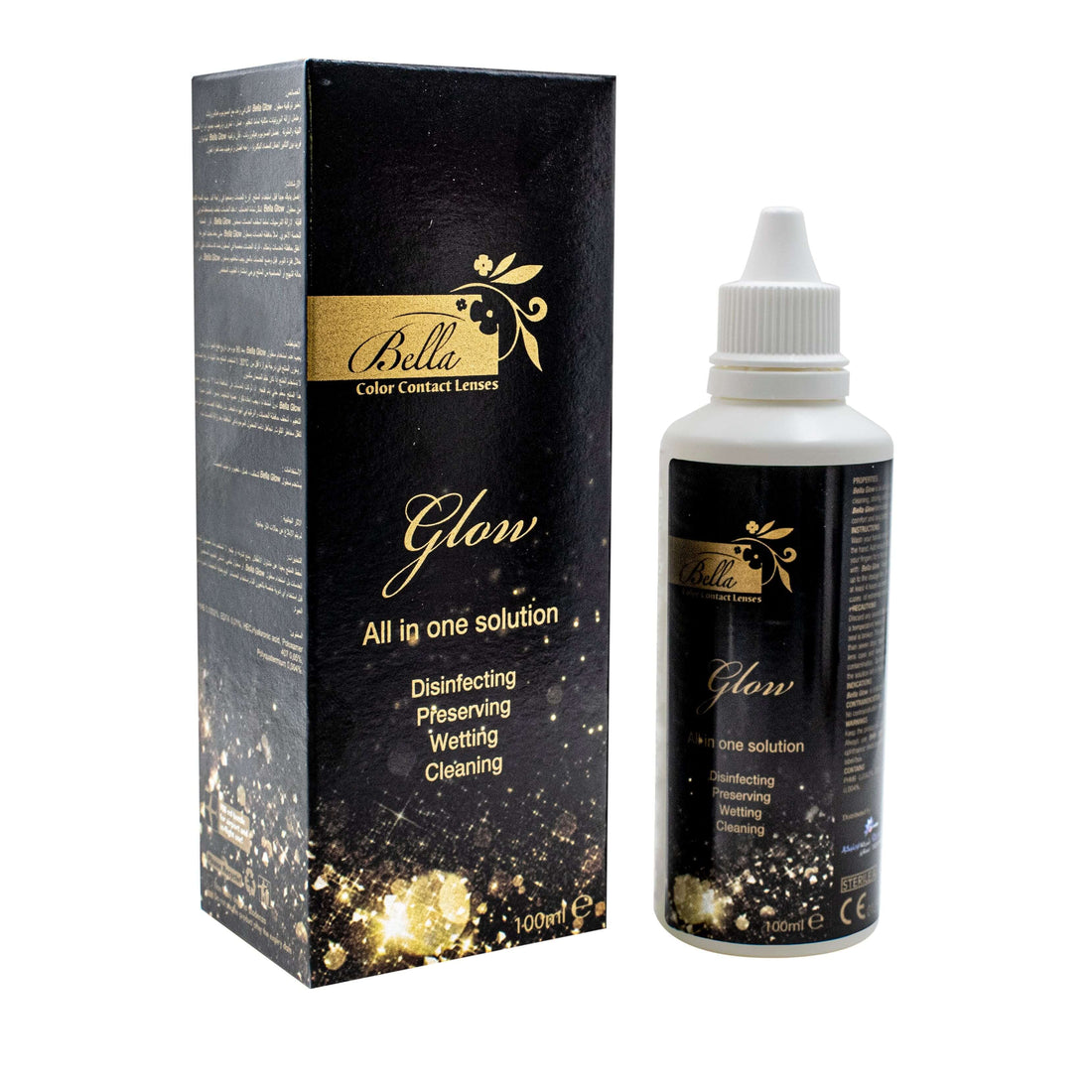

If you suffer from dry eyes while wearing contact lenses, choosing the right solution can make a significant difference to your daily comfort and long-term eye health. Many contact lens wearers assume dryness is caused solely by the lenses themselves, but in reality, the contact lens solution for dry eyes you use plays a critical role in maintaining moisture, lens clarity, and overall comfort. Not all solutions hydrate lenses equally, and some formulas can actually worsen dryness or irritation over time.
This guide explains why dry eyes are common among contact lens users, what ingredients genuinely help retain moisture, and which products are widely regarded as the best contact lens solution for dry eyes, particularly in the UK market. You will also learn how to use solutions correctly and avoid common mistakes that exacerbate dryness.
Why Dry Eyes Occur When Wearing Contact Lenses?
Dry eye symptoms are one of the most frequent complaints among contact lens users. Understanding the underlying causes helps explain why switching to a better solution can significantly improve comfort.
Tear Film Disruption Caused by Contact Lenses
Contact lenses sit directly on the tear film, which is responsible for keeping the eye surface smooth and hydrated. When a lens is inserted, it divides the tear film into two layers, making it more prone to evaporation and instability. Over time, this can lead to dryness, burning, or a gritty sensation.
Environmental and Lifestyle Factors
Modern lifestyles contribute heavily to dry eye symptoms, especially for lens wearers. Common triggers include:
-
Prolonged screen use, which reduces blink rate
-
Air conditioning or central heating
-
Dry indoor environments
-
Wind and pollution outdoors
These factors accelerate moisture loss from both the eye and the contact lens surface.
Inadequate Lens Hydration
Some lenses naturally retain moisture better than others, but hydration is also heavily influenced by the solution used. A low-quality or incompatible solution may fail to replenish moisture or remove deposits that attract dryness.
Solution Incompatibility
Not every contact lens solution works well with every lens material or eye type. Preservatives, pH imbalance, or insufficient wetting agents can irritate the ocular surface, making dry eye symptoms worse rather than better.
>>> See more: What Are Contact Lenses Made Of? What You Need To Know
What to Look for in a Contact Lens Solution for Dry Eyes
Choosing the best contact lens solution for dry eyes means focusing on hydration, compatibility, and gentleness rather than convenience alone.
Hydrating and Wetting Agents
Look for solutions containing proven moisturising ingredients, such as:
-
Hyaluronan (hyaluronic acid) mimics natural tears and binds moisture to the lens surface
-
Moisturising polymers help create a hydration layer that lasts throughout the day
These ingredients improve lens wettability and reduce friction between the lens and the eye.
pH-Balanced Formulas
Solutions that closely match the natural pH of healthy tears are less likely to cause stinging or discomfort upon insertion. This is particularly important for users with sensitive or dry eyes.

Preservative-Free or Low-Preservative Options
Preservatives are necessary for disinfection in many multi-purpose solutions, but they can irritate some wearers over time. Hydrogen peroxide-based systems, once neutralised, are preservative-free and often better tolerated by people with chronic dryness.
>>> See more: Best Bella Contact Lenses for Dry Eyes
Compatibility With Lens Type
Soft lenses, silicone hydrogel lenses, and specialty lenses all interact differently with solutions. The right contact lens solution for dry eyes should be compatible with your specific lens material to maintain hydration and comfort.
Best Contact Lens Solutions for Dry Eyes
Based on a synthesis of expert reviews, optician recommendations, and real-world user feedback from sources such as Optician Online, Boots customer reviews, The Independent, and Reddit’s r/contactlenses, the following products are consistently rated as the best contact lens solution for dry eyes in the UK.
1. Biotrue Multi-Purpose Solution (Bausch + Lomb)
Biotrue is widely regarded as the gold standard for everyday comfort among dry eye sufferers.
Its formulation is inspired by the biology of the eye, using Hyaluronan, a natural lubricant found in tears, to keep lenses moist for up to 20 hours. The solution also matches the pH of healthy tears, reducing stinging upon insertion.
2. Alcon AOSept Plus with HydraGlyde
This hydrogen peroxide-based system is often recommended for people with severe dryness or chemical sensitivity.
Once neutralised, AOSept Plus is preservative-free. The HydraGlyde Moisture Matrix bonds to the lens surface, delivering long-lasting hydration while removing protein deposits that contribute to dryness.
3. OPTI-FREE Puremoist (Alcon)
OPTI-FREE Puremoist is one of the most commonly prescribed solutions by optometrists in the UK.
It uses HydraGlyde technology to form a moisture envelope around the lens, helping prevent dehydration throughout the day. It balances convenience with enhanced hydration.
4. CooperVision Hy-Care
Hy-Care is a gentler multi-purpose solution often recommended by independent opticians.
It contains Hyaluronan to support tear film stability and provide consistent hydration without harsh preservatives.
5. Acuvue RevitaLens (Johnson & Johnson)
Developed to deliver comfort similar to daily disposable lenses.
RevitaLens combines high-level disinfection with comfort-focused technology, making it especially effective for silicone hydrogel lenses, which are commonly recommended for dry eye patients.
Comparison Table: Top Solutions for Dry Eyes
|
Solution |
Type |
Key Hydration Technology |
Best For |
|
Biotrue Multi-Purpose |
Multi-purpose |
Hyaluronan, tear-matched pH |
Mild to moderate dryness |
|
AOSept Plus HydraGlyde |
Hydrogen peroxide |
HydraGlyde Moisture Matrix |
Severe dryness, sensitivity |
|
OPTI-FREE Puremoist |
Multi-purpose |
HydraGlyde Moisture Matrix |
Long screen-time wear |
|
CooperVision Hy-Care |
Multi-purpose |
Hyaluronan |
Sensitive, dry eyes |
|
Acuvue RevitaLens |
Multi-purpose |
Comfort-focused disinfection |
Silicone hydrogel lenses |
How to Use Contact Lens Solution for Dry Eyes: Best Practices
Proper technique is just as important as choosing the right product. Following these practices ensures you get maximum comfort benefits from your solution.
Step 1: Wash and Dry Hands Thoroughly Use fragrance-free soap to avoid transferring irritating residues to lenses. Dry with a lint-free towel to prevent fiber contamination.
Step 2: Place Lens in Palm Remove one lens and position it concave-side up in your clean palm.
Step 3: Apply Generous Amount of Solution Pour enough solution to completely cover the lens (approximately 3-5 drops). Don't be stingy adequate solution volume is crucial for effective cleaning.

Step 4: Rub Gently but Thoroughly Using your index finger, rub the lens in a gentle circular motion for 20-30 seconds on each side. This mechanical cleaning removes protein and lipid deposits that multipurpose solutions alone may not eliminate. Research shows that rubbing improves cleaning effectiveness by up to 90% compared to "no-rub" solutions used without rubbing.
Step 5: Rinse Completely Rinse both sides of the lens with fresh solution for 5-10 seconds to remove loosened debris and residual cleaning agents.
Step 6: Store in Fresh Solution Place the lens in a clean case filled with fresh solution. Never top off old solution always use completely fresh liquid for proper disinfection and hydration.
Step 7: Allow Minimum Soak Time Leave lenses submerged for at least 4-6 hours (or manufacturer's recommended time) to ensure complete disinfection and full rehydration.
>>> Xem thêm: Mastering Contact Lenses: Wear & Care Guide
Morning Insertion Technique for Dry Eyes
How you handle lenses before insertion significantly impacts initial comfort.
-
Rinse before insertion: Remove lenses from the case and rinse thoroughly with fresh solution or preservative-free saline. This removes any loosened debris and provides a fresh hydration layer.
-
Check lens moisture: Ensure the lens feels adequately hydrated. If it seems dry or sticky, soak it in a few drops of solution for 30-60 seconds before insertion.
-
Apply rewetting drops if needed: For very dry eyes, apply one drop of lubricating drops to the lens before placing it on your eye. This creates an extra moisture cushion for initial comfort.
-
Insert gently: Avoid touching the lens excessively with your fingers, as this can remove the protective moisture layer.

Proper Case Care for Dry Eye Management
Contaminated lens cases can harbor biofilm and bacteria that trigger inflammation and worsen dry eye symptoms.
- Pour out all old solution immediately after removing lenses. Never leave solution sitting in the case.
- Use multipurpose solution or hydrogen peroxide system liquid to rinse each chamber thoroughly. Never use tap water, which contains microorganisms like Acanthamoeba.
- Place the case upside down with caps off on a clean tissue to allow complete drying. This prevents bacterial growth in moist environments.
- Replace cases every 1-3 months. Monthly replacement is ideal for people with dry eyes, as older cases accumulate biofilm that no amount of rinsing can remove.

Common Contact Lens Solution Mistakes That Worsen Dry Eyes
Dry eye symptoms with contact lenses are often intensified by poor habits rather than unavoidable conditions. Recognizing and correcting these common errors can dramatically improve comfort.
Common errors include:
-
Using saline instead of proper contact lens solution - Saline only rinses; use hydrating contact lens solution with moisturizing agents for conditioning
-
Overwearing lenses - Extending wear beyond recommended schedules depletes oxygen and moisture, significantly worsening dry eyes
-
Sleeping in lenses - Wearing lenses overnight (unless approved for extended wear) severely restricts oxygen flow and increases dryness
-
Poor lens case hygiene - Neglecting regular case cleaning and replacement allows bacterial buildup that compounds irritation in dry eyes
-
Skipping rewetting drops - Failing to use lubricating drops during screen time or in dry environments accelerates moisture loss
-
Not replacing lenses on schedule - Old lenses accumulate protein deposits that further irritate already dry eyes
Correcting these behaviours combined with using appropriate moisturizing contact lens solution, following proper replacement schedules, and maintaining excellent lens hygiene can dramatically reduce dry eye symptoms and restore comfortable, irritation-free contact lens wear throughout the day.
>>> See more: Can you be allergic to contact lenses? The helpful tips for you

When to See an Eye Care Professional
While switching to a better contact lens solution for dry eyes often helps, some symptoms require professional evaluation to address underlying conditions that home remedies cannot fix. Certain symptoms indicate you need more than just a different contact lens solution.
Persistent Dryness Despite Treatment
If severe dryness continues after switching to hydrating contact lens solution, using rewetting drops regularly, and following proper care protocols, this suggests underlying dry eye disease requiring medical treatment beyond over-the-counter solutions.
Pain, Redness, or Vision Changes
Sharp pain, persistent aching, or bloodshot eyes that don't improve after removing lenses indicate potential corneal damage or infection. Blurred vision persisting after cleaning lenses with fresh contact lens solution requires immediate evaluation for corneal swelling or complications.

Signs of Infection or Allergic Reaction
Unusual discharge, swelling, light sensitivity, or severe itching suggest infections needing prescription treatment. Allergic reactions to contact lens solution ingredients require switching to preservative-free alternatives under professional guidance.
Dry eyes do not have to be an inevitable part of wearing contact lenses. Choosing the best contact lens solution for dry eyes one that prioritises hydration, compatibility, and gentle disinfection can significantly improve comfort and lens performance. By understanding what causes dryness, selecting the right solution, and following proper lens care routines, contact lens wearers can enjoy clearer vision and healthier eyes. When symptoms persist, professional guidance ensures long-term eye health and comfort.