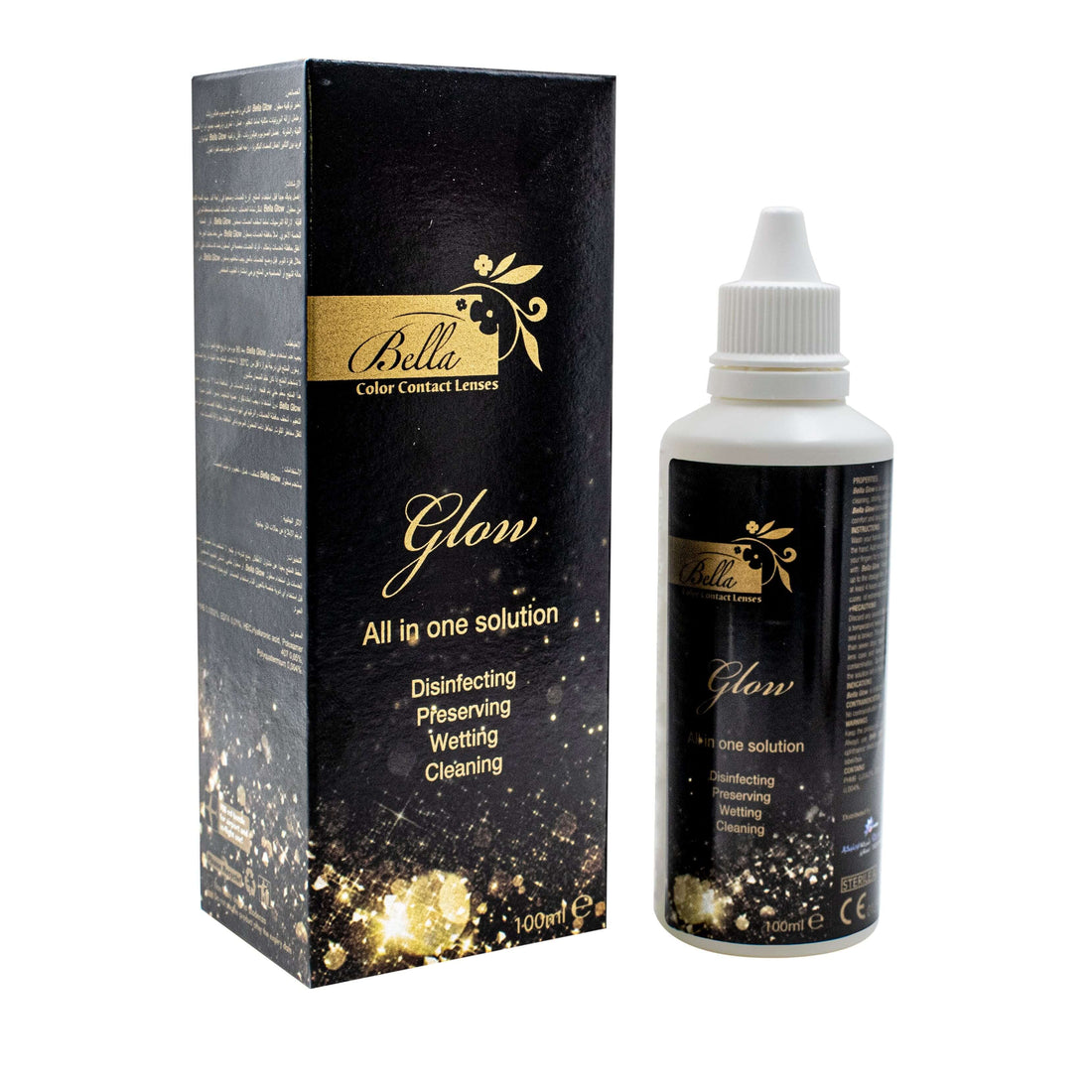

There is no legal minimum age for contact lenses in the UK. The College of Optometrists and British Contact Lens Association confirm that children and teenagers of any age can wear contact lenses, including coloured lenses, provided they are fitted by a UK-registered optician and demonstrate the responsibility to care for them correctly. The prescription requirement, not age, is the practical gatekeeper.
The real question is not how old you are but whether you are ready to handle lenses responsibly. This guide explains the UK rules, what readiness actually looks like, and what younger wearers need to know about coloured contact lenses.

Is There a Minimum Age for Contact Lenses in the UK?
The short answer is no. This is the most common misconception around contact lenses and younger wearers, applying equally to clear and coloured contacts. Two professional bodies make this explicit, and UK law supports it.
The College of Optometrists and BCLA position
The College of Optometrists, the professional body that sets clinical standards for UK optometrists, does not set a minimum age for contact lens wear. The British Contact Lens Association (BCLA) takes the same position, stating that there is no strict minimum age for contact lens wear in the UK. What matters is whether the individual can demonstrate the responsibility and hygiene practices required to wear lenses safely.
The prescription requirement is the real gatekeeper
Under the Contact Lenses (Qualification Requirements, Referral Obligations and Exemptions) Regulations 2009, all contact lenses in the UK must be supplied following an examination by a practitioner registered with the General Optical Council (GOC). This applies to every lens type: corrective, plano, and cosmetic. The MHRA classifies all contact lenses, including coloured cosmetic lenses with no corrective power, as medical devices under UK law. A qualified professional must assess the eyes, measure corneal dimensions, and confirm the individual can insert, remove, and care for the lens correctly. For children and younger teens, this assessment naturally includes an evaluation of maturity.
See more: Are Contact Lenses Safe? Expert Advice on Risks, Benefits and Proper Care
What Is the Typical Age for Contact Lenses in UK Children?
Knowing there is no legal minimum is useful. For parents and younger wearers, the real age for contact lenses to consider is the one their optician recommends based on maturity. Understanding what actually happens in UK practice helps parents and teenagers plan realistically.

The typical age range in UK clinical practice
Most UK opticians begin fitting children between 10 and 14, with most first fittings between 11 and 13. This reflects not a legal rule but when most children have developed the hygiene habits, motivation, and dexterity to handle lenses safely. BCLA data shows satisfaction rates of over 97 percent among 8 to 12-year-olds and 99 percent in the 13 to 17-year-old group.
Age ranges and typical situations in UK practice
The table below shows what typically happens at different age ranges in UK clinical practice.
|
Age group |
Typical contact lens situation |
Key consideration |
|---|---|---|
|
Under 8 |
Medical reasons only (e.g. congenital cataracts) |
Clinical decision; specialist oversight required |
|
8–10 |
Possible for motivated children; sports or myopia management |
Parental supervision; daily disposables preferred |
|
11–14 |
Most common first-fitting age range in UK practice |
Maturity and hygiene assessment by GOC-registered optician |
|
14–16 |
Increasing independence; coloured lenses a frequent interest |
Parental involvement typical; prescription required as always |
|
16–17 |
Near-adult independence in UK optician practice |
Standard fitting process; prescription required |
|
18+ |
Full adult responsibility |
Standard contact lens fitting and prescription |
The table reflects typical clinical practice, not legal restrictions. An 8-year-old who is highly motivated may be a better candidate than a 15-year-old who is indifferent to hygiene. Opticians assess the individual, not the age.
Is My Child or Teen Ready for Contact Lenses?
UK opticians combine clinical assessment with readiness evaluation when fitting younger wearers. Understanding what they look for helps parents prepare their child and helps teenagers assess themselves.
What UK opticians assess before fitting younger wearers
The table below summarises the key readiness factors a GOC-registered optician typically considers.
|
Readiness factor |
Ready |
May need more time |
|---|---|---|
|
Hand hygiene |
Washes hands thoroughly without being reminded |
Needs reminders for routine hygiene |
|
Follows instructions |
Reads and follows multi-step processes independently |
Relies heavily on adult prompting |
|
Motivation |
Genuinely wants contacts and understands responsibility |
Wants contacts but sees care as optional |
|
Glasses responsibility |
Does not regularly lose or damage glasses |
Loses or neglects glasses frequently |
|
Responds to discomfort |
Removes lens and tells an adult if something feels wrong |
Pushes through discomfort without telling anyone |
|
Consistency |
Maintains daily routines reliably |
Inconsistent with established habits |
A young person who scores well across most of these factors is likely to succeed with contact lenses regardless of age. An optician will also assess dexterity during a trial insertion and will advise clearly if they feel the person is not yet ready.
Why motivation matters more than age
A 12-year-old who genuinely wants contacts for sport and has good hygiene habits is typically a better candidate than a 16-year-old who is vaguely interested but unconcerned about eye care. UK opticians are trained to assess motivation and maturity alongside physical suitability, and a child who asks about lens care during the consultation signals the right level of engagement.

What Age Can You Get Coloured Contact Lenses in the UK?
Teenagers asking about coloured contacts often assume there is a separate, stricter minimum age for cosmetic lenses. There is not. The UK rules for coloured contacts are identical to those for clear lenses.
No separate minimum age for coloured lenses
Coloured contact lenses follow exactly the same UK legal framework as clear prescription lenses. The MHRA classifies all contact lenses as medical devices regardless of whether they carry a corrective prescription. The Contact Lenses (Qualification Requirements, Referral Obligations and Exemptions) Regulations 2009 apply equally to plano coloured lenses as to any other type. A 14-year-old who wants to change their eye colour with coloured contact lenses needs the same thing as a 30-year-old: a valid UK contact lens prescription from a GOC-registered optician that includes base curve and diameter measurements for their specific eyes.
Why regulated coloured contacts are safe for teens
Regulated coloured contact lenses from UK-certified retailers are manufactured to the same material and oxygen permeability standards as clear lenses. The pigment layer is fully encapsulated and does not contact the corneal surface. A teenager who has been properly fitted by a registered optician and uses regulated lenses faces no additional clinical risk compared to any other contact lens wearer. The risk comes entirely from unregulated, unprescribed lenses, not from the colour itself.
See more: Do Coloured Contact Lenses Affect Vision? What UK Wearers Need to Know
Practical Considerations for Parents and Younger Wearers
Once you understand the UK rules, the next step is moving forward practically.
Parental involvement and NHS optical vouchers
Children under 16 in the UK are entitled to a free NHS sight test and may qualify for an NHS optical voucher toward corrective contact lenses. Coloured or cosmetic lenses are excluded from vouchers as they are classified as cosmetic. Most UK opticians involve parents or guardians in the fitting process for children under 16.
Starting with daily disposables
For younger or first-time wearers, daily contact lenses remove the cleaning, storage, and solution steps that add complexity to the care routine. A fresh, sterile pair each day reduces infection risk and eliminates lens case maintenance. For a teenager trying contact lenses or coloured lenses for the first time, daily disposables are the lowest-risk and most practical entry point. They are available in both clear and coloured formats, with or without corrective prescription.
See more: Tips for Putting in Contact Lenses: UK Guide for Beginners

Frequently Asked Questions
The questions below reflect what UK parents and teenagers ask most often about the age requirements for contact lenses.
What is the minimum age for contact lenses in the UK?
There is no legal minimum age. The College of Optometrists and BCLA confirm that children of any age can wear contacts provided a GOC-registered optician fits them and confirms the individual can manage lens care responsibly.
Can a 12 or 13 year old wear contact lenses in the UK?
Yes, if a UK-registered optician confirms suitability. Most opticians assess readiness based on maturity, motivation, and hygiene. A valid contact lens prescription under the 2009 Contact Lens Regulations is always required.
What age can you get coloured contact lenses in the UK?
There is no separate minimum age for coloured lenses. MHRA classifies them as medical devices subject to the same rules as clear lenses: a valid contact lens prescription from a GOC-registered optician is required regardless of age.
Do parents need to consent to contact lenses for under-16s?
There is no specific UK law requiring parental consent, but most GOC-registered opticians involve parents or guardians in the fitting process for children under 16 as standard practice.
Are coloured contact lenses safe for teenagers?
Yes, when purchased from a UK-regulated retailer with a valid prescription from a GOC-registered optician. Regulated coloured lenses meet the same safety standards as clear lenses. The risk comes from unregulated, unprescribed lenses, not the colour itself.
There is no minimum age for contact lenses in the UK, whether clear or coloured. The College of Optometrists, BCLA, and UK law all confirm this. For younger wearers, the real assessment is readiness: hygiene, motivation, and the ability to follow care instructions. Daily disposables are the safest starting point, and a GOC-registered optician makes the final call.
See more: How to Care for Contact Lenses: Monthly and Coloured Lens Guide
This article is for informational purposes only and does not constitute medical advice. Always consult a UK-registered optician before purchasing contact lenses for yourself or a child. UK regulations are subject to change; refer to MHRA and GOC official guidance for the most current requirements.