
Millions of UK travellers snorkel each year, from the Mediterranean and the Red Sea to the coral reefs of the Maldives and the Canaries. If you wear contact lenses, especially coloured lenses, the question of whether they stay in or come out before you enter the water deserves a clear answer before you pack. This guide covers the risks, the specific considerations for coloured lenses, what to do if your mask floods, and what to bring.
You can snorkel with soft contact lenses under a well-fitted mask, but it is not recommended. Water exposure creates a risk of eye infection, including Acanthamoeba keratitis. Coloured contact lenses carry the same risks as clear soft lenses. If you choose to snorkel with lenses in, daily disposables are the safest option and should be discarded after each session.
Why Water Is a Risk for Contact Lens Wearers
The core issue is not the water itself but what it carries and what it does to a lens once it makes contact. Both seawater and pool water introduce risks that are meaningfully different from wearing lenses in dry, everyday conditions. For a broader overview of how contact lenses interact with water and other challenging environments, our guide on contact lens safety covers the key principles.
What Saltwater Does to Your Lenses
Seawater has a salt concentration of approximately 3.5 per cent, which is higher than the natural tear film. When a soft contact lens is exposed to seawater, the lens can absorb the water unevenly, causing it to change shape, tighten against the cornea, or shift position. A lens that has deformed is uncomfortable to wear and difficult to remove. The British Sub-Aqua Club also notes that salt accumulation between the lens and the eye surface can cause irritation that persists even after the lens is removed. Swimming pool water introduces different risks: chlorine and other disinfectants are absorbed into the lens material, which can cause chemical irritation and lens degradation over repeated exposure.

The Infection Risk: Acanthamoeba Keratitis
The most serious infection risk associated with water exposure while wearing contact lenses is Acanthamoeba keratitis. Acanthamoeba is a microscopic organism found in seawater, freshwater, swimming pools, and even treated tap water. It clings to the surface of a contact lens and cannot be removed by the eye's natural defences. If it reaches the cornea, it can cause a severe and potentially sight-threatening infection. Studies consistently show that over 90 per cent of Acanthamoeba keratitis cases occur in contact lens wearers. The College of Optometrists in the UK advises against any water contact with contact lenses, including during snorkelling.
This article is for informational purposes and does not replace professional eye care advice. If you experience pain, redness, or any change in vision after snorkelling with contact lenses, contact your optician promptly or call NHS 111.

Soft, Hard & Coloured Lenses: How Each Type Responds to Snorkelling
Not all contact lenses carry the same risk in the water, and the type you wear affects both how the lens responds to water exposure and what you should do if your mask floods. The table below summarises the key differences across lens types.
|
Lens Type |
Snorkelling Risk |
If Mask Floods |
Recommendation |
|---|---|---|---|
|
Soft daily disposable |
Medium |
Discard immediately after session |
Lowest risk option if snorkelling with lenses |
|
Soft monthly / reusable |
Medium–high |
Remove, rinse eyes, deep-clean + soak 6 hrs minimum |
Contamination harder to reverse; consider replacing |
|
Coloured soft lens (daily) |
Medium |
Discard immediately |
Preferred over monthly coloured if snorkelling |
|
Coloured soft lens (monthly) |
Medium–high |
Remove, clean, soak; monitor 48 hrs |
No vision need for plano coloured — remove before water |
|
Hard / RGP lens |
High |
Do not snorkel with these lenses |
Switch to soft lenses for all water activities |
The clearest finding from this comparison is that hard and gas-permeable lenses should never be worn for snorkelling. As pressure increases when you duck below the surface, RGP lenses can stick to the cornea or trap nitrogen bubbles, causing pain, blurred vision, and potential corneal damage. For soft lens wearers, the distinction between daily and monthly lenses matters primarily for what happens after water contact: daily disposables can simply be discarded, while monthly lenses require thorough disinfection before any further use.
Can You Wear Coloured Contact Lenses Snorkelling?
Coloured contact lenses carry the same infection and displacement risks as equivalent soft clear lenses when exposed to water. The lens material responds to seawater in the same way: it can absorb water, change shape, tighten, or shift position. There is no additional water-specific risk from the pigment layer itself, but there is one practical consideration that clear lens wearers do not face.
If a coloured lens is dislodged during snorkelling, mask clearing, or mask flooding, it is visually distinctive and therefore visibly lost rather than simply gone. For wearers whose coloured lenses are cosmetic, or plano, without prescription correction, there is no vision-related reason to wear them underwater at all. The lens adds no functional benefit once you are inside the mask, and its loss or contamination means replacing a lens you did not need to wear in the first place. The practical recommendation for plano coloured lens wearers is to remove the lenses before entering the water, store them safely in a lens case on the boat or beach, and reinsert them after the session.

For wearers whose coloured lenses carry a prescription, the calculus is slightly different. In this case, the lens is providing vision correction, and a decision needs to be made about whether to use a daily coloured lens for snorkelling days or to consider a prescription mask for frequent snorkellers.
For snorkel days and beach holidays, Bella Daily coloured lenses offer the convenience of a single-use pair you can enjoy on the beach and discard at the end of the session: Bella Daily Contact Lenses.
The Mask Is Your Most Important Protection
If you choose to snorkel with contact lenses, the quality and fit of your mask matters more than which type of lens you wear. A well-fitted mask with an intact silicone seal creates a reliable barrier between your lenses and the water. A poorly fitting mask that leaks regularly will expose your lenses to seawater on almost every session, regardless of how carefully you handle every other aspect of the experience.
How to test mask fit before entering the water. Place the mask against your face without the strap and inhale gently through your nose. A well-fitting mask will hold in place for several seconds from the suction alone. If it drops away immediately, the seal is insufficient for reliable lens protection.

Anti-fog lenses. Anti-fog coatings or drops prevent the misting that causes snorkellers to lift or tilt the mask to see clearly. Lifting the mask even slightly breaks the seal and allows water entry. Using anti-fog treatments is a practical step that reduces the number of mask adjustments made during a session.
Full-face masks. Full-face snorkel masks cover the entire face and provide a larger air pocket, which some users find more protective. However, they are not widely recommended for experienced snorkellers because clearing water from them is more complex than from a traditional mask.
What to Do If Water Gets Into Your Mask
Mask flooding is a routine part of snorkelling, and knowing how to handle it with contact lenses in place is essential before you enter the water. The British Sub-Aqua Club advises that snorkellers who wear contact lenses should always clear a flooded mask with their eyes closed. For guidance on choosing the right lens care products for post-snorkel cleaning, our guide to the best contact lens solution is a useful starting point.
-
Close your eyes immediately. As soon as you feel water enter the mask, close your eyes. Do not attempt to look around for the source of the flood or continue snorkelling with eyes open.
-
Surface calmly. Move to the surface with your eyes still closed. There is no urgency that requires opening your eyes underwater.
-
Remove the mask and wipe your face. With eyes still closed, remove the mask, tilt your head back, and wipe seawater away from your face and around the eye area with a clean towel or cloth.
-
Open your eyes only once your face is dry. Only open your eyes when you are confident that no seawater is sitting on your face near the eye area.
-
Discard or treat the lenses. Daily disposable lenses should be discarded immediately after any water contact and replaced with a fresh pair. Monthly lenses that have been exposed to seawater should be removed, your eyes rinsed with preservative-free saline drops, and the lenses cleaned and soaked in fresh multipurpose solution for a minimum of six hours before reinsertion.
If you experience redness, pain, discharge, or any change in vision after water contacts your lenses, do not reinsert them. Seek advice from your optician or NHS 111 promptly. Retain contaminated monthly lenses in a case rather than discarding them, as your optician may be able to culture them to identify any infection.

After Snorkelling: Care Routine for Contact Lens Wearers
Even if no water visibly entered your mask, the humid environment inside a snorkel mask combined with facial perspiration and salt in the air can affect the lens surface during a longer session. Building a post-snorkel routine makes a meaningful difference to eye comfort and infection risk. For more on how to handle and store lenses after water-adjacent activities, our guide on how often to replace your contact lenses covers replacement schedules relevant to water activity use.
Remove lenses promptly. As soon as you are out of the water and can wash your hands with clean fresh water, remove your lenses. Do not continue wearing monthly lenses for the rest of the day after a snorkel session without cleaning them first.

Rinse your eyes. Apply preservative-free rewetting drops or sterile saline to rinse the eye surface. This removes salt residue and minor irritants before you reinsert clean lenses.
Clean and store monthly lenses properly. Rub the lens surface with a fresh drop of multipurpose solution before placing it in a clean case with fresh solution. Do not top up old solution. Allow a minimum soak time of six hours before reinsertion.
Monitor for 48 hours. Watch for redness that does not resolve, increasing discomfort, light sensitivity, or any visual disturbance. These may indicate early infection and warrant prompt optician review.
What to Pack: Snorkelling Holiday Checklist for Lens Wearers
Planning ahead removes the most common problems that contact lens wearers encounter during snorkelling holidays. The items below take up minimal space and can prevent a holiday being interrupted by a preventable eye issue.
Spare daily disposable lenses. Bring one pair per planned snorkel session plus at least two additional pairs as backup for sessions where a lens is lost or mask flooding occurs.
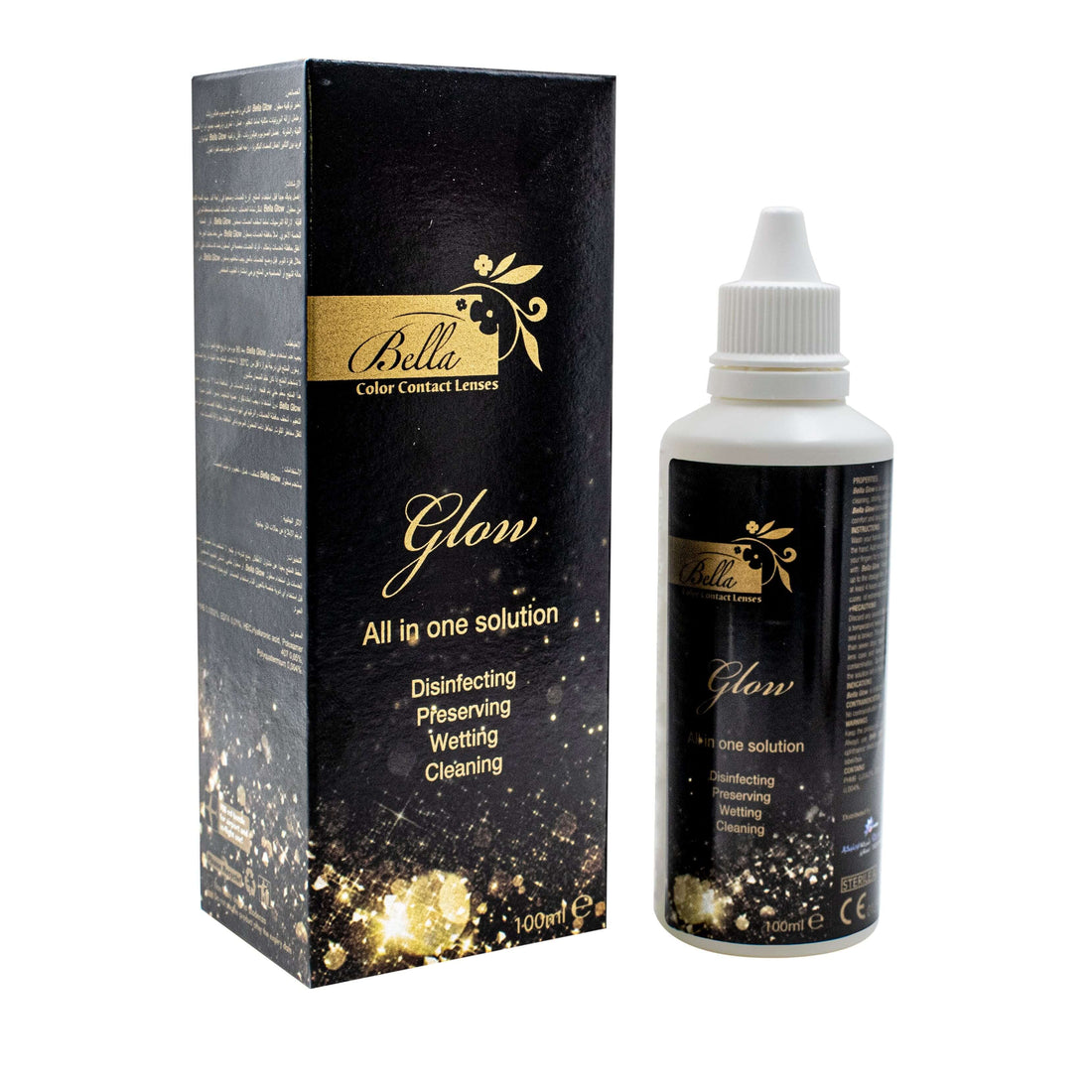
Lens case and fresh solution. If you use monthly lenses, bring your regular multipurpose solution in a travel-sized bottle. A spare lens case adds negligible weight and is invaluable if your primary case is lost or cracked.

Preservative-free rewetting drops. Saltwater and sun accelerate lens dehydration. Preservative-free drops are safe for use with lenses in and can be applied on the boat or beach between sessions.
Backup glasses. A pair of glasses provides reliable vision on the beach, on the boat, and at any point when lenses are out or have been discarded after water exposure. Leaving them in the hotel room is a common and avoidable mistake.
For frequent snorkellers: consider a prescription mask. UK dive shops stock prescription snorkel masks from approximately £60 to £150. If you snorkel on more than two or three holidays per year, the investment removes all contact lens and water interaction risk entirely.
Final Thoughts
Snorkelling with contact lenses is possible, but it requires honest awareness of what can go wrong and how to handle it when it does. For coloured lens wearers with plano lenses, the simplest and safest approach is to remove them before the water and enjoy the sea view without worrying about the lenses. For prescription wearers, daily disposables combined with a well-fitting mask and the after-session routine above give you a workable option for holiday snorkelling. Either way, pack spares and keep your glasses within reach.
See more: Swimming with Contact Lenses: Risks, Rules & What UK Wearers Should Know